

In brief
- A preprint co-authored by an FDA researcher reviews 25 years of adverse event reports, finding that ibogaine carries the strongest arrhythmia signal among all analyzed substances.
- The finding relies on only 25 total ibogaine reports across the entire database, which include 5 to 7 cases of severe arrhythmia.
- Neither mescaline, DMT, nor psilocybin showed any significant cardiac signal in the same analysis.
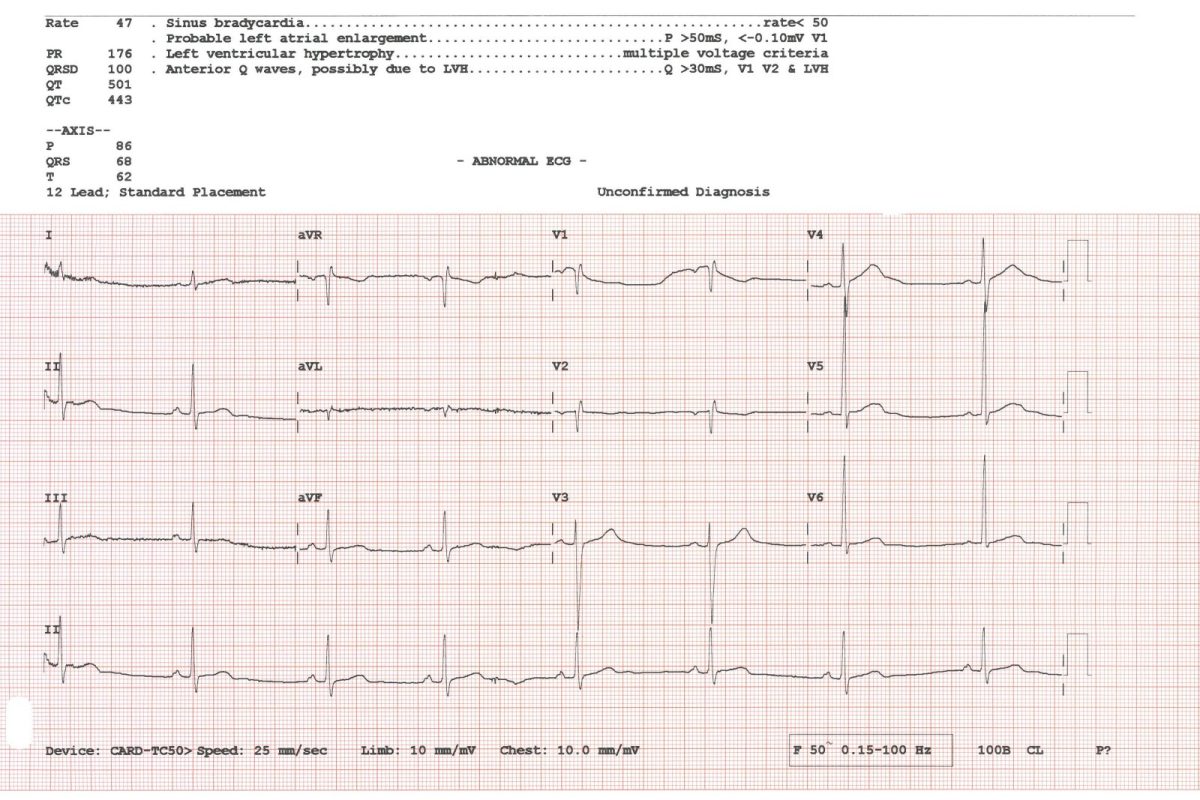
An unreviewed preprint posted September 10 on the medRxiv repository tracks twenty-five years of adverse event reports from the FDA to evaluate the cardiac risk of several psychoactive compounds. The results place ibogaine in an unexpected position: showing a ventricular arrhythmia signal higher than that of dofetilide, an approved drug used by the agency as a positive control due to its well-documented potential to trigger fatal arrhythmias.
What the study measured
The research team, led by Mori J. Krantz of the FDA’s Division of Cardiology and Nephrology alongside David P. Kao from the University of Colorado, examined 18,499,626 unique cases in the FDA Adverse Event Reporting System (FAERS) between 2000 and 2024. Of those, 61,961 mentioned at least one psychoactive drug of interest: MDMA, MDA, mitragynine (the active alkaloid in kratom), ibogaine, LSD, mescaline, psilocybin, THC, and DMT. For comparison, they included approved drugs with established cardiac risks, such as dofetilide and methadone, as well as compounds without known risks as negative controls.
Ibogaine by the numbers
Ibogaine appears in only 25 reports across the entire database over those 25 years—a tiny figure compared to 11,950 for dofetilide or 55,895 for methadone. Among those 25 cases, between 5 and 7 document severe ventricular arrhythmia or cardiac arrest. When calculating the proportional reporting ratio (PRR), ibogaine scored 142 for pure ventricular arrhythmia and 121 for QT interval prolongation, outpacing dofetilide (24 and 31) and methadone (12.4 for QT). Mitragynine also showed a significant, though more moderate, signal. In contrast, mescaline, DMT, psilocybin, and THC showed no signal for arrhythmia or QT abnormalities; LSD did produce a significant signal in the combined arrhythmia and cardiac arrest category, though not when narrowing the analysis strictly to ventricular arrhythmia. The authors attribute ibogaine’s effect to hERG potassium channel blockade in the heart, a mechanism already documented in preclinical laboratory models.
What this means
The study itself emphasizes that pharmacovigilance analyses identify statistical signals rather than proving causality: FAERS is a voluntary reporting database that captures only a fraction of real-world events, does not record total exposure rates, and frequently lacks key clinical details like patient age or pre-existing conditions. With only 25 total ibogaine reports, any shift in the numerator dramatically alters the calculated ratio, and the paper has yet to undergo peer review. Even with those caveats, the authors point out that most ongoing psychedelic clinical trials enroll fewer than 50 participants with follow-up windows too short to catch rare cardiac events. Consequently, they advocate for dedicated post-marketing surveillance if ibogaine moves toward approval—a particularly relevant concern as the April 2026 executive order accelerates psychedelic drug development across the United States, including noribogaine clinical trials already underway.
Source
- Krantz MJ, Haigney MC, Southworth MR, Stockbridge N, Kao DP. Cardiac Arrhythmia Associated with Psychoactive Drugs: An analysis of the FDA Adverse Event Reporting System. medRxiv, preprint, September 10, 2026.
Educational content written from a harm reduction perspective and with respect for individual freedom. It is not a substitute for advice from a healthcare professional and is not intended to encourage or condemn any drug use.


