

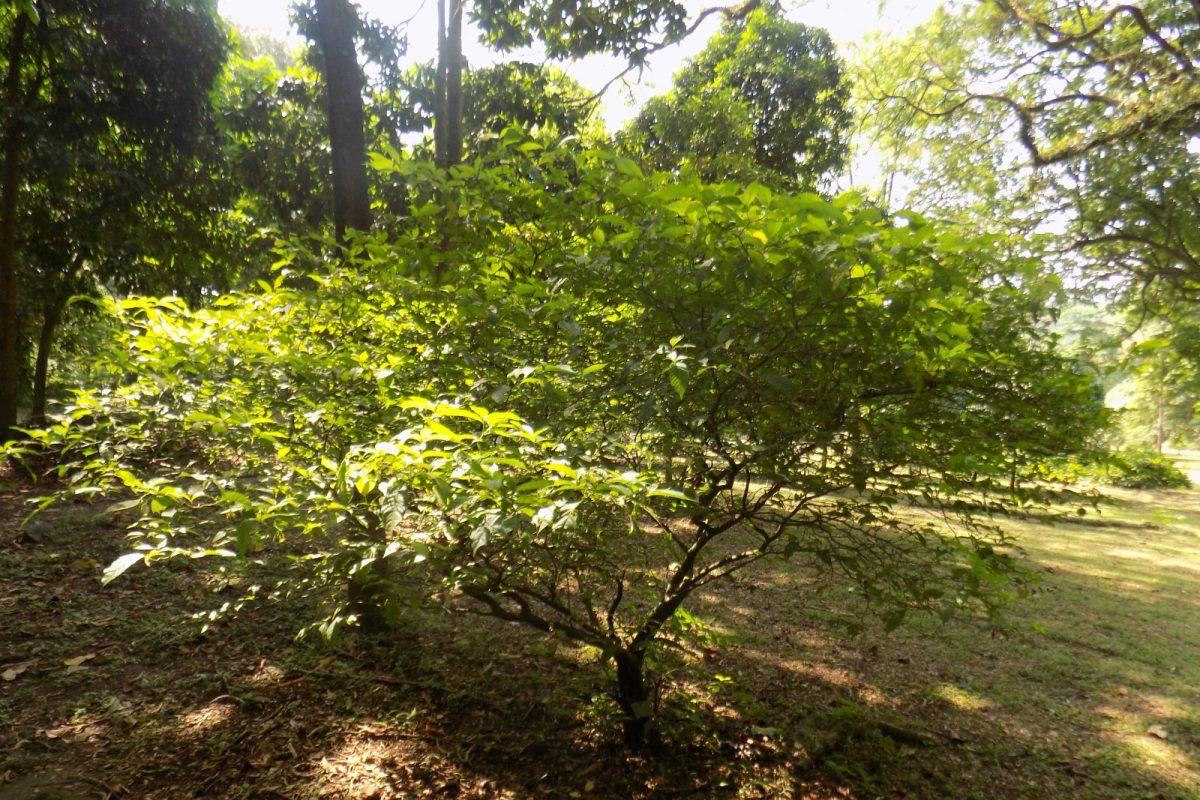
In brief
- The presidential communiqué says the Council adopted a draft decree on September 18 concerning a ban on iboga and derivative exports. Entry into force is not established here.
- This report distinguishes the announcement from earlier iboga developments; a prior signed decree was not consulted here and its legal interaction is not determined.
- The Council of Ministers presents this as a way to strengthen the protection of the plant and preserve the cultural heritage and traditional knowledge associated with it.
The presidential communiqué for the September 18, 2026 Council meeting in Port-Gentil announces adoption of a draft decree banning iboga and derivative exports. This establishes an announcement and decision on a draft, not by itself enactment, commencement or actual closure of a legal export route.
An announced proposal with unverified entry into force
As background to our coverage, see the earlier report on the claim that Gabon had declared iboga a national strategic asset. Decree 0239/PR cited there was not consulted here and that story is not circular proof of legal force. In September the communiqué describes a broad draft, referring to penalties under criminal, forestry and customs legislation. Specific penalties and actual enforcement are not established here.
A plant under pressure
The communiqué justifies the draft by protection of the plant, cultural heritage and associated traditional knowledge. It does not quantify commercial pressure, patents or community compensation here. Our general resource provides context on iboga and ibogaine; this link provides educational context, not evidence for legal or commercial claims.
What it implies
Supply impact on clinics and the share of ibogaine derived from iboga or other raw materials have not been quantified here, including material from Voacanga africana. An enacted decree, commencement date, individual authorizations and export records have not been consulted. An announcement must be distinguished from assessment of actual enforcement and is not a clinical or commercial recommendation.
Source
- Gabon Mediatime. Gabon: le gouvernement sonne la fin de l’exportation de l’Iboga et ses dérivés. Gabon Mediatime, September 20, 2026.
Educational content written from a harm reduction perspective and with respect for individual freedom. It is not a substitute for advice from a healthcare professional and is not intended to encourage or condemn any drug use.