

In brief
- In his opinion piece, Georges Gassita describes Gabonese decree No. 0239/PR of 22 May 2026 as shifting iboga toward national strategic heritage. The complete official provisions were not inspected here.
- According to Gassita, authorization rests with the Ministry of Culture after binding review by an interministerial commission, rather than with the commission alone.
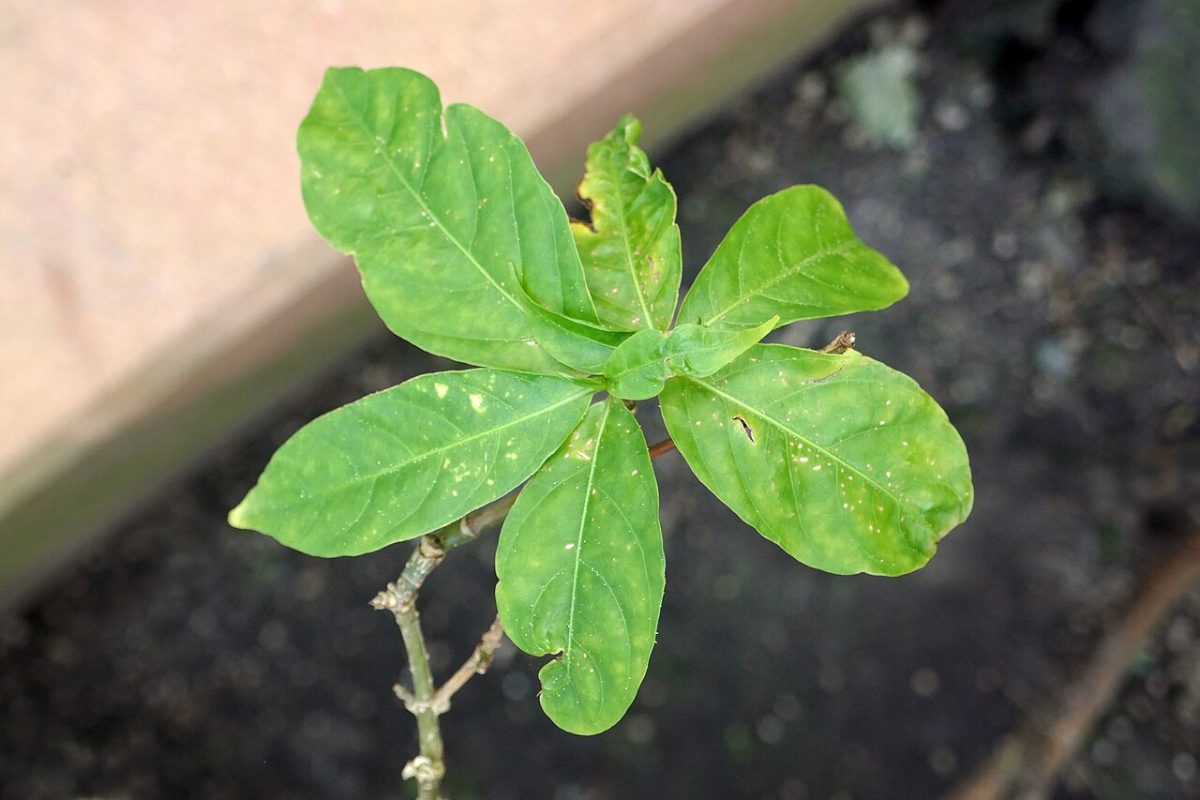
- The author observes approximate seedling prices rising from $4 to $17 depending on product and market; he does not provide a representative series or isolate the cause of the change.
The opinion piece discusses Tabernanthe iboga and iboga governance in Gabon. Its author, Georges Gassita, discloses being a Gabonese civil servant and ROOTS Fellowship Foundation board member, writing in a personal capacity. He describes the May decree, whose complete official text was not inspected here.
From Forestry Raw Material to Sovereign Asset
Gassita describes the earlier framework as treating iboga as a forestry product and the May decree as moving decisions toward the Ministry of Culture after commission review. He argues that consent should originate with communities and be certified by government. His argument about reciprocity and Bwiti knowledge does not make ibogaine in isolation equivalent to the plant and its traditional ceremonial protocols.
Supply pressures in Gassita’s account
Gassita connects international attention with the April U.S. executive order and describes supply pressure, without isolating its causes. The source’s Schedule I reference concerns the United States; it does not establish an equivalent classification or a general ban on traditional use in Gabon.
What This Implies
Gassita warns about extraction without reciprocity and proposes community-led registries in local languages. The statement about a molecule removed from its context is his argument, not a consensus of Bwiti voices interviewed in this review. His proposals should not be confused with measures already implemented. Provenance and traceability information can contribute to harm reduction without documented origin guaranteeing clinical safety or replacing a medical assessment.
Source
- Psychedelics Today. The Rush for Iboga Looks Different from Gabon. Psychedelics Today, July 13, 2026.
Educational content written from a harm reduction perspective and with respect for individual freedom. It is not a substitute for advice from a healthcare professional and is not intended to encourage or condemn any drug use.