

In brief
- The U.S. Office of National Drug Control Policy (ONDCP) has identified carfentanil, fluorofentanyl, and methylfentanyl as the most dangerous fentanyl analogues in the country today.
- These three substances, along with their isomers, have been linked to at least 12,500 deaths since 2023.
- Carfentanil and fluorofentanyl were detected in 2025 in every state except South Dakota and Hawaii, with carfentanil samples increasing by 206% and methylfentanyl by 297% compared to 2024.
On September 15, the ONDCP—the White House office that coordinates U.S. drug policy—issued a threat notice identifying three fentanyl analogues (carfentanil, fluorofentanyl, and methylfentanyl) as responsible for the majority of the current risk associated with these substances in the country, due to their lethality and widespread presence.
Substances identified and their potency
The document ranks carfentanil as the most potent of the three, with an estimated potency 100 times greater than that of fentanyl. Fluorofentanyl, methylfentanyl, and related substances are described as being as potent as, or more potent than, fentanyl itself. These analogues, the notice indicates, are illicitly manufactured and enter the market as pills mimicking prescription medications or as powders added to other drugs such as cocaine, methamphetamine, or heroin.
Detection and mortality data
According to figures from the Centers for Disease Control and Prevention (CDC) cited by the ONDCP, these three analogues and their isomers have been associated with at least 12,500 deaths since 2023: approximately 600 from carfentanil, nearly 12,000 from fluorofentanyl, and about 50 from methylfentanyl. Regarding their presence, 2025 laboratory analyses detected carfentanil and fluorofentanyl in every state except South Dakota and Hawaii, with a 206% increase in carfentanil samples and a 297% increase in methylfentanyl samples compared to 2024. According to the Drug Enforcement Administration’s (DEA) NFLIS system, methylfentanyl was detected in 36 states during 2025. Meanwhile, the ONDCP’s own wastewater analysis found carfentanil and para-fluorofentanyl in samples from all four census regions of the country during 2026.
The notice also includes a technical note for hospitals: standard urine opioid screenings do not detect these analogues, and specific fentanyl screenings only recognize some of them through cross-reactivity, which varies depending on the assay and the substance. Fluorofentanyl and methylfentanyl may test positive in some cases, but carfentanil is not detected by these tests.
Implications
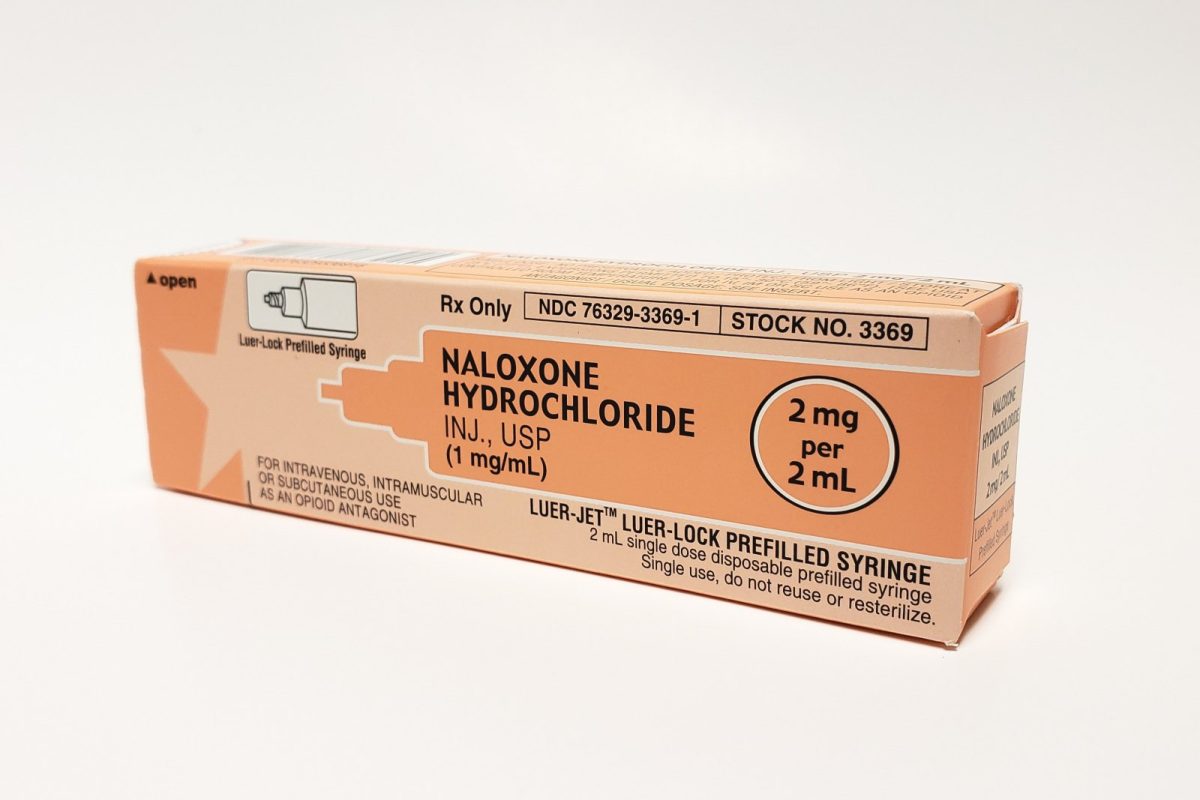
The document recommends keeping naloxone available and being prepared to administer additional doses, as the potency of these analogues may require more than one dose to reverse an overdose. It also emphasizes that any drug on the illicit market may be contaminated with synthetic opioids, even if not sold as such. This notice is focused on the U.S. market, using data from its own surveillance systems (wastewater analysis, the DEA’s NFLIS forensic registry, and CDC mortality data), meaning these figures cannot be directly extrapolated to other countries. Even so, it reinforces the value of having naloxone on hand and utilizing drug checking services to verify the contents of substances in circulation—a field where synthetic opioids are changing rapidly, as shown by the case of cianazenes.
Source
- Office of National Drug Control Policy. ONDCP Drug Threat Notice: Key fentanyl analogues, involved in at least 12,500 deaths since 2023, pose heightened threat to nation. The White House, September 15, 2026.
Educational content written from a harm reduction perspective and with respect for individual freedom. It is not a substitute for advice from a healthcare professional and is not intended to encourage or condemn any drug use.


