

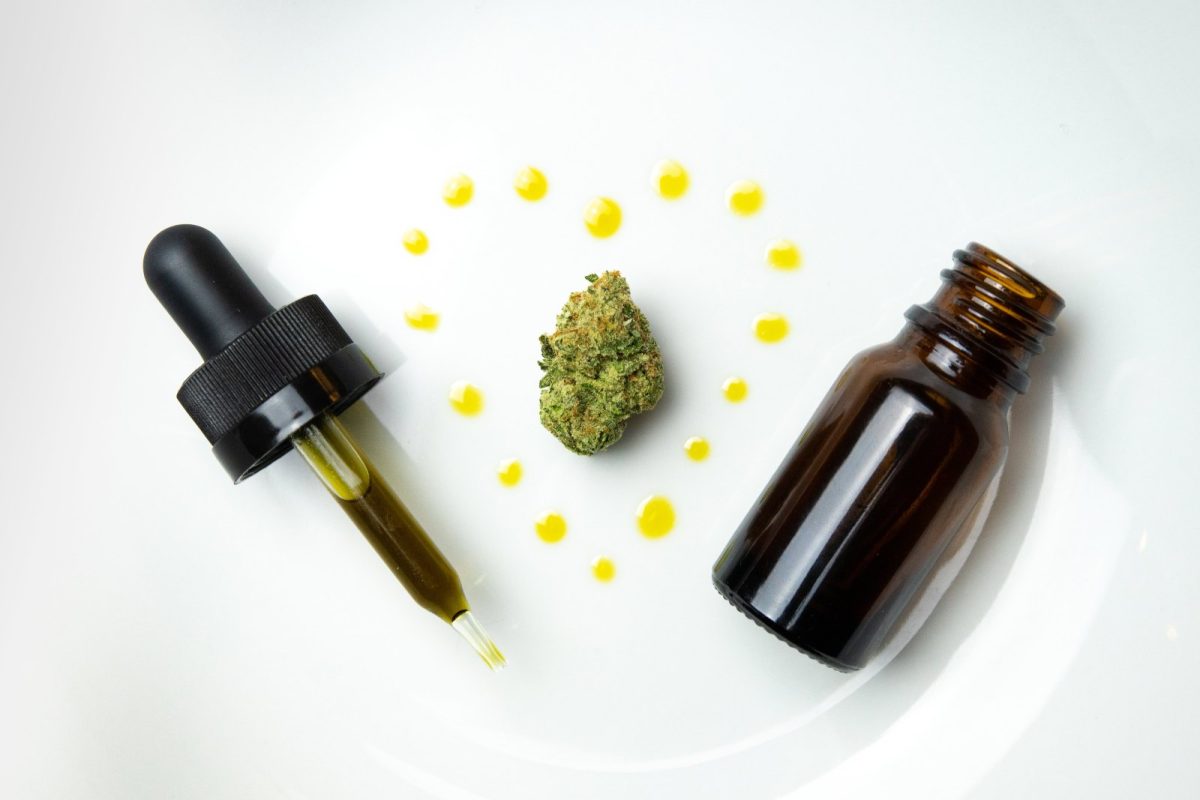
How to Prepare Cannabis Oil, Tinctures, and Other Extracts at Home
Cannabis Oil
For this technique, use the purest ethyl alcohol (ethanol) possible. While high-proof pharmacy alcohol can work, it is best to source pure, additive-free ethyl alcohol (99% or 190–200 proof food/lab-grade ethanol) from a chemical supply store or pharmacy. (WARNING: Never use denatured alcohol, rubbing alcohol, or methylated spirits).
Place the chopped cannabis into a jar and pour alcohol until it is completely submerged. Seal the jar tightly and let the cannabis macerate for two to three weeks in a cool, dark place. Shake the jar every three to four days.
After this period, strain the liquid through a cheesecloth or fine mesh. The alcohol will have turned a dark green color. Pour it into a wide, shallow, uncovered dish and allow the alcohol to evaporate naturally. Do not place the liquid over an open flame or heat source to accelerate evaporation: alcohol vapors are extremely flammable and can ignite or explode. Keep the room well-ventilated with open windows, and never smoke or light any flame near the evaporating alcohol.
As the liquid evaporates, the extract will thicken considerably. Once it no longer smells like alcohol, scrape up the residue from the bottom of the dish using a spatula. Your cannabis oil is now ready.
Cannabis oil can be mixed with flower or tobacco to boost potency. You can also smear a small amount onto a rolling paper or joint. If the oil is excessively sticky and difficult to handle, you can blend it with finely ground leaf powder to create a semi-solid faux hash.
Cannabis Tincture
To make a cannabis tincture, follow the exact same procedure as for the oil, except for the final evaporation stage. In tinctures, you do not evaporate all the alcohol; instead, retain enough liquid to keep the extract concentrated yet fluid. Tinctures can be ingested sublingually, added to drinks, or mixed into food. Alternatively, a rolled joint or cigarette can be dipped into the tincture and left to dry completely before smoking.
Cannabis-Infused Spirits
Cannabinoids can be extracted from cannabis by steeping it directly in high-proof liquor. Overproof rum or grappa work exceptionally well. In this case, no evaporation is required. Cannabis-infused spirits can be used in cocktails and yield a distinctly different effect than cannabis alone, as the effects of THC combine synergistically with alcohol. Exercise extreme caution with dosing: combining alcohol and cannabis can easily lead to overwhelming, intense highs.
Fat-Based Extractions
Psychoactive Cannabutter
Chop the cannabis (around 100 grams of trim or leaves) and place it into a pot with five cups of boiling water. Add 250 grams of butter and let it simmer for 20 to 30 minutes.
After simmering, strain the mixture through cheesecloth to separate out the plant matter. Boil two additional cups of water and pour them over the strained leaves to rinse through any remaining butter. Allow the liquid to cool, then refrigerate it. Within a few hours, the butter will solidify into a firm layer floating on top of the water. Lift it off with a slotted spoon and pat it dry with a clean cloth. It is now ready to use.
Cannabutter can be eaten raw or incorporated into recipes. The amount needed to feel psychoactive effects depends on the potency of the starting material and individual tolerance. When cooking or baking with cannabutter, slightly higher doses may be needed because excessive heat degrades THC. Cooking at lower temperatures and for shorter periods preserves the highest concentration of cannabinoids.
Cannabis-Infused Olive Oil
This is a quintessentially Mediterranean cannabis recipe that will impress any guest. Follow the same procedure as cannabutter, simply swapping out butter for olive oil. After straining the mixture, place it in the freezer rather than the refrigerator. Once the water freezes solid, the oil—now cold and highly viscous—can be easily scooped off the ice with a spoon or spatula. It makes an exceptional infused dressing for salads.


