

In brief
- On August 12, Colorado activated an ibogaine research pilot program under its Natural Medicine Act.
- The state’s Behavioral Health Administration may authorize up to five sites, requiring medical supervision and adherence to the FDA’s investigational new drug process.
- The law mandates benefit-sharing agreements with the Indigenous communities of Central Africa linked to the origins of iboga.
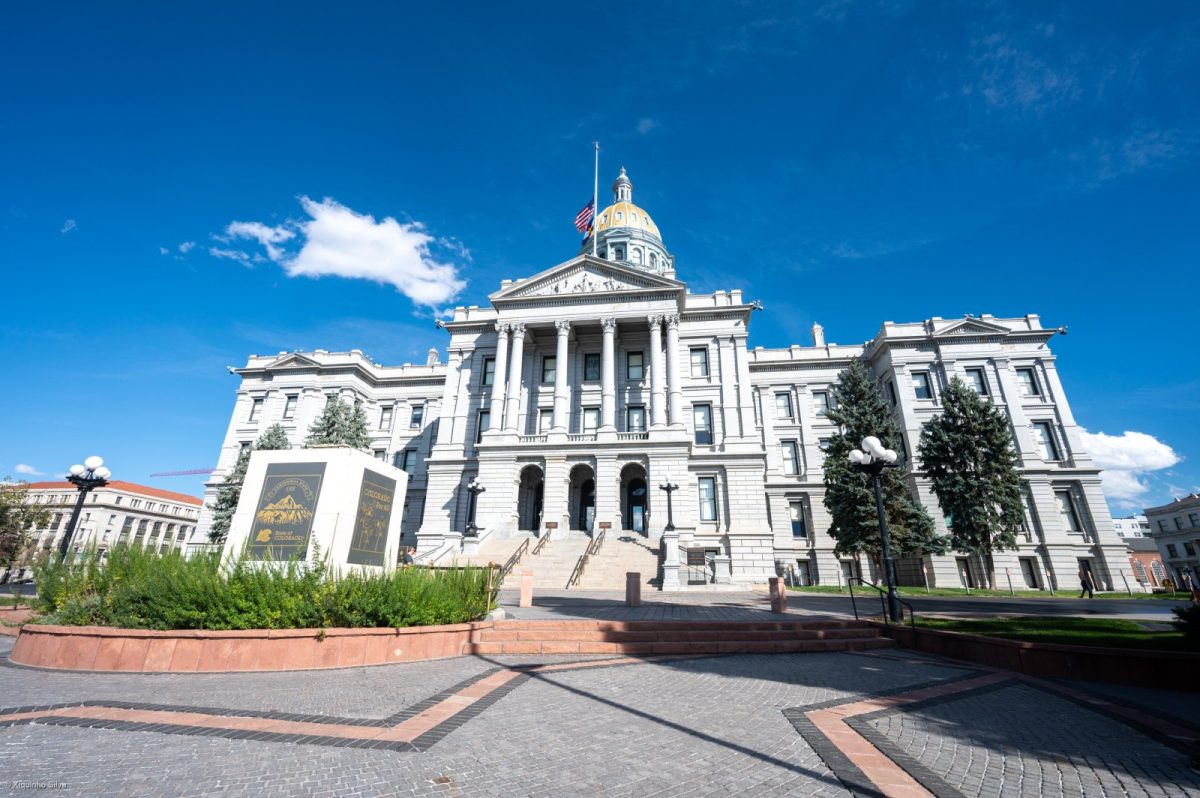
Colorado has taken another step forward in its legal model for natural medicine: since August 12, law HB26-1325 has launched a pilot program to investigate ibogaine—the psychoactive alkaloid from the African iboga shrub—as a potential treatment for post-traumatic stress disorder and addiction. The measure, approved by the General Assembly in May and signed by Governor Jared Polis on June 4, expands the framework that state voters established in 2022 with the Natural Medicine Act.
A pilot within the natural medicine law
The legislation creates the program under the Behavioral Health Administration (BHA), which will select up to five sites through a public bidding process. Each site must operate under the FDA’s investigational new drug (IND) process and meet medical supervision and safety protocol requirements, as ibogaine carries a real cardiac risk: it can alter heart rhythm and cause serious complications if administered without clinical monitoring. Funding will not come from state coffers; the law requires raising at least $150,000 in donations before January 2028 for the program to proceed, and it allows the BHA to seek agreements with other states, federally recognized tribes, and the federal government.
Benefit-sharing and grassroots pressure
One of the points most emphasized during the legislative process is the requirement for both pilot sites and future commercial ibogaine licenses to establish benefit-sharing plans with the Indigenous communities of Central Africa historically linked to the iboga plant, in line with requirements for other substances under the state’s natural medicine program. The law was driven in large part by advocates like Nicholas McClellan, co-founder of Colorado for Ibogaine, who has publicly shared that the substance helped him after other therapies failed. The state’s Department of Revenue will be responsible for regulating cultivation, manufacturing, and administration centers once the implementation rules are developed.
What this implies
This is a pilot program, not an approval of ibogaine as a treatment: there are no randomized, controlled trials yet to confirm its efficacy, and toxicology specialists like Andrew Monte of Rocky Mountain Poison and Drug Safety have insisted that outside of a medical environment with cardiac monitoring, the risk of death is real. However, HB26-1325 does establish a legal and regulated path with its own funding, without depending on a pharmaceutical company to take the first step—something that already occurred in Texas when the state had to take on its own trial program after failing to find a company willing to lead it—and it exists alongside federal funding for the first ibogaine trials. For Colorado, it is confirmation that its natural medicine experiment continues to expand substance by substance, with medical caution and recognition of the peoples of origin as a condition, not an afterthought.
Source
- Colorado General Assembly. HB26-1325: Natural Medicine. Colorado General Assembly, law signed June 4, 2026, effective August 12, 2026.
Educational content written from a harm reduction perspective and with respect for individual freedom. It is not a substitute for advice from a healthcare professional and is not intended to encourage or condemn any drug use.