

In brief
- Monash University (Australia) publishes the largest single-center psilocybin brain imaging study to date in Nature.
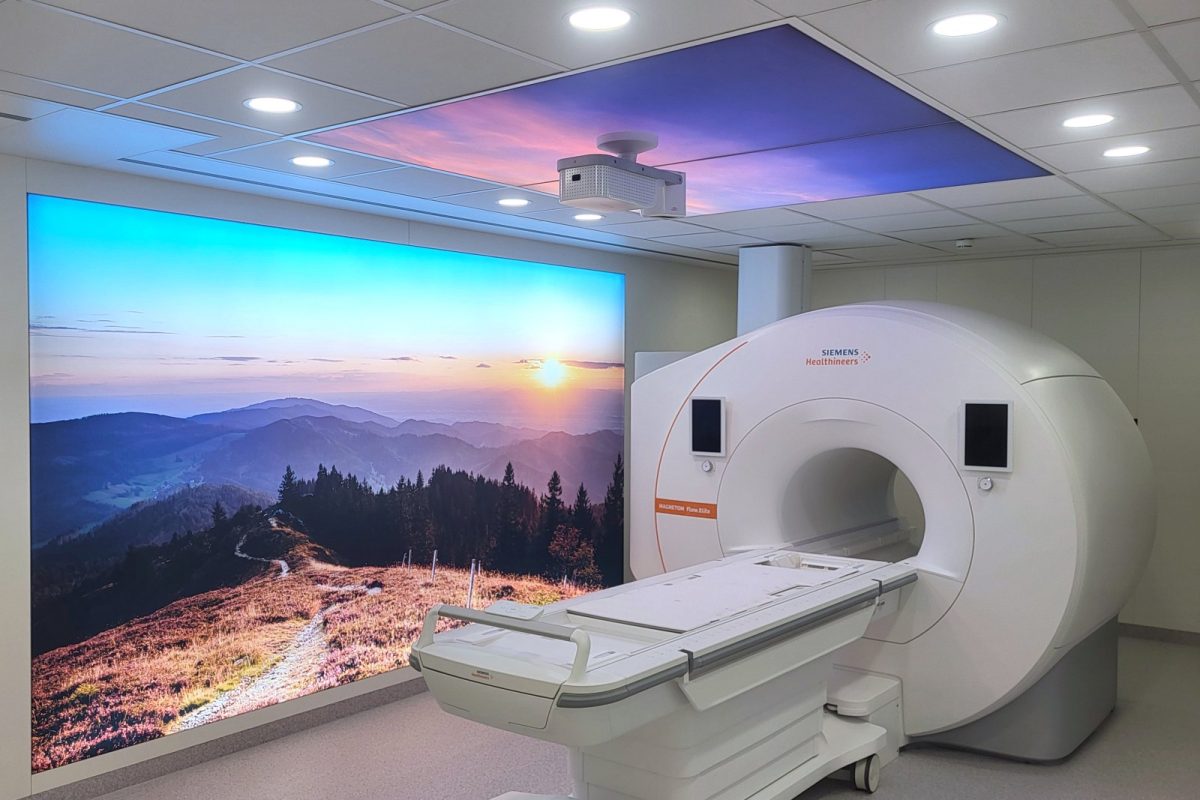
- 62 healthy adults underwent functional magnetic resonance imaging (fMRI) under the influence of the substance in four conditions: at rest, meditating, listening to music, and watching a film.
- Brain networks lose their distinct boundaries, but they do not descend into noise: they reorganize following specific patterns depending on what the person is doing.
The idea that psilocybin “disorders” the brain has become a common trope in recent years. However, a study published on August 19 in Nature, led by the Turner Institute for Brain and Mental Health at Monash University, adds an important nuance: within that disorder, there is structure, and that structure depends on the surrounding environment.
Four scenarios, the same substance, and the same people
The team, led by Devon Stoliker and Professor Adeel Razi, scanned 62 healthy volunteers using functional magnetic resonance imaging while they were under the influence of psilocybin. Each participant underwent four conditions within the same session: resting without stimuli, following a guided meditation, listening to music, and watching a film. The project, titled PsiConnect, took five years to complete. Its strength lies not only in its sample size; by comparing the four contexts in the same individuals using the same scanner, it avoids the noise that arises when data from disparate studies are combined. Those interested in reviewing the substance and its documented uses can consult our psilocybin and magic mushrooms pillar.
Order within the disorder
Under the influence of the substance, the boundaries that normally separate different brain networks blurred. The interesting finding, however, was what followed: this reorganization was not random, but rather recognizable and distinct for each condition. The brain at rest did not reconfigure in the same way as the brain listening to music or watching a film. Stoliker summarizes this by noting that while networks became less defined, they reorganized into patterns that reflected the individual’s current experience. Razi adds two observations: the more participants reported a sense of connection with their environment, the more intense this reconfiguration was; and those who showed the most marked rearrangement also described more positive psychological changes the following day. The analysis combined fMRI with electroencephalography (EEG) recordings and computational tools developed by co-authors Leonardo Novelli and Moein Khajehnejad.
What this implies
It is important to read this study for what it is: 62 healthy people, without psychiatric diagnoses, in a basic neuroscience experiment. It does not, on its own, demonstrate any clinical benefit. What it does provide is a measurement of something the psychedelic community has repeated for decades without being able to quantify: set and setting is not merely a decorative aspect of a session; it is a variable that fundamentally alters the brain’s response. In July, we covered a Danish study that pointed in the same direction from a different angle, measuring synaptic density via PET scans based on the session environment. For those organizing their own experience, the practical takeaway is concrete: choosing the location, the company, and the soundtrack carries as much weight as the dose, and much of how the experience unfolds depends on these factors. We explore these guidelines in our section on harm reduction and responsible use. The authors suggest that this map could guide the design of future therapeutic protocols, but for now, that remains a working hypothesis.
Source
- Stoliker, D., Novelli, L., Khajehnejad, M. et al. Psychedelics align brain activity with context. Nature, August 19, 2026.
Educational content written from a harm reduction perspective and with respect for individual freedom. It is not a substitute for advice from a healthcare professional and is not intended to encourage or condemn any drug use.