

In brief
- The Joint Committee on Drug Use of the Oireachtas, the Irish Parliament, has published a report containing 161 recommendations to reform the country’s drug policy.
- The core proposal calls for the decriminalization of possession of any substance for personal use—not just cannabis—and the repeal of Section 3 of the 1977 Misuse of Drugs Act.
- RTÉ reported in June that the government would assess the report with Health and Justice; reform is not predicted and current status is not certified here.
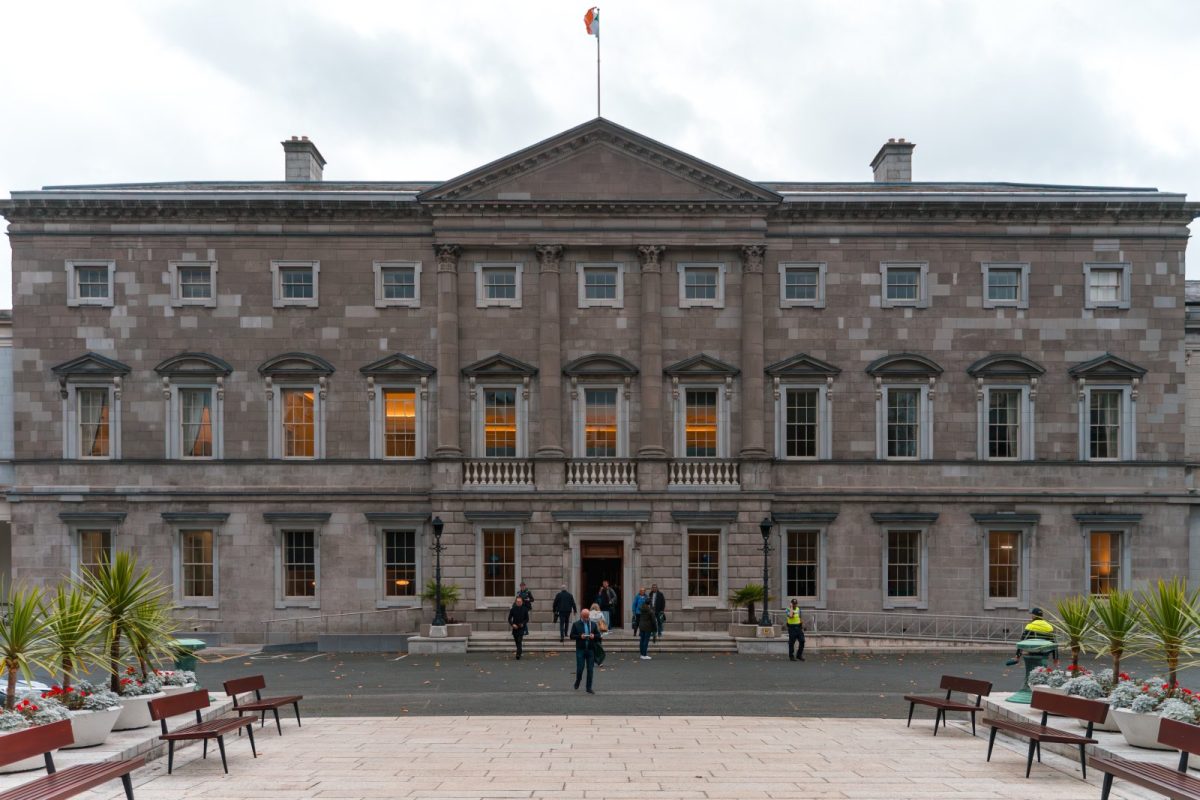
On June 24, the Joint Committee on Drug Use of the Oireachtas released a report recommending an end to the criminalization of drug possession for personal use, regardless of the substance. The document, the result of months of hearings with specialists, healthcare professionals, and people who use drugs, proposes replacing criminal sanctions with a health-focused approach.
A report with 161 recommendations
The text groups together 161 proposals, centered on the repeal of Section 3 of the Misuse of Drugs Act of 1977, the law that has criminalized possession in the country for nearly half a century. The committee, chaired by Deputy Gary Gannon (Social Democrats) with Mary Fitzpatrick (Fianna Fáil) as vice-chair, argues that anyone found with drugs for personal use should receive the support and health resources they need rather than entering the criminal justice system. The committee itself was established to address the 36 recommendations approved in 2024 by the Citizens’ Assembly on Drug Use, a deliberative body composed of randomly selected citizens.
The proposed scope covers all substances rather than cannabis alone: recommendation 128 does not exclude psychedelics, but this does not establish an enacted decriminalization. The proposal concerns personal-use possession, not authorization of supply or trafficking.
What the Government says
The Executive’s response has been cautious. The Taoiseach at the time, Micheál Martin, said according to RTÉ on June 24 that the government would assess the report with Health and Justice. The outlet attributed to him a €54 million funding increase to €174 million over seven or eight years. This is June’s reported response, not verification of today’s budget or government composition. A gradual reform route or date is not predicted here.
What it implies
The committee recommends personal-possession reform and a health-led approach. Its report is not enacted law and this comparison does not verify later reforms. Recommendations 132–135 distinguish personal possession from trafficking and supply, preserve specified police powers and propose voluntary diversion. For context on harm reduction in Europe, consult the 2026 European Drug Report, which depicted a Europe with uneven progress in harm reduction depending on the country.
Source
- RTÉ News. “Decriminalise personal-use drug possession, cttee says”. RTÉ, June 24, 2026.
Educational content written from a harm reduction perspective and with respect for individual freedom. It is not a substitute for advice from a healthcare professional and is not intended to encourage or condemn any drug use.

