

In brief
- An umbrella review published on June 28, 2026, in the Journal of Psychopharmacology synthesizes current controlled research on LSD and psilocybin microdosing.
- The only statistically significant pooled effect was a slight decrease in cognitive control, rather than an improvement.
- Mood improvements described by microdosers were not replicated under blinded, placebo-controlled conditions.
Yiğit Özaydın and Buket Canlan Özaydın published an umbrella review of microdosing classical psychedelics. Its abstract does not support demonstrated cognitive enhancement; this review did not establish that it is the largest existing synthesis or that every individual experience is equivalent.
What is an umbrella review and what was analyzed
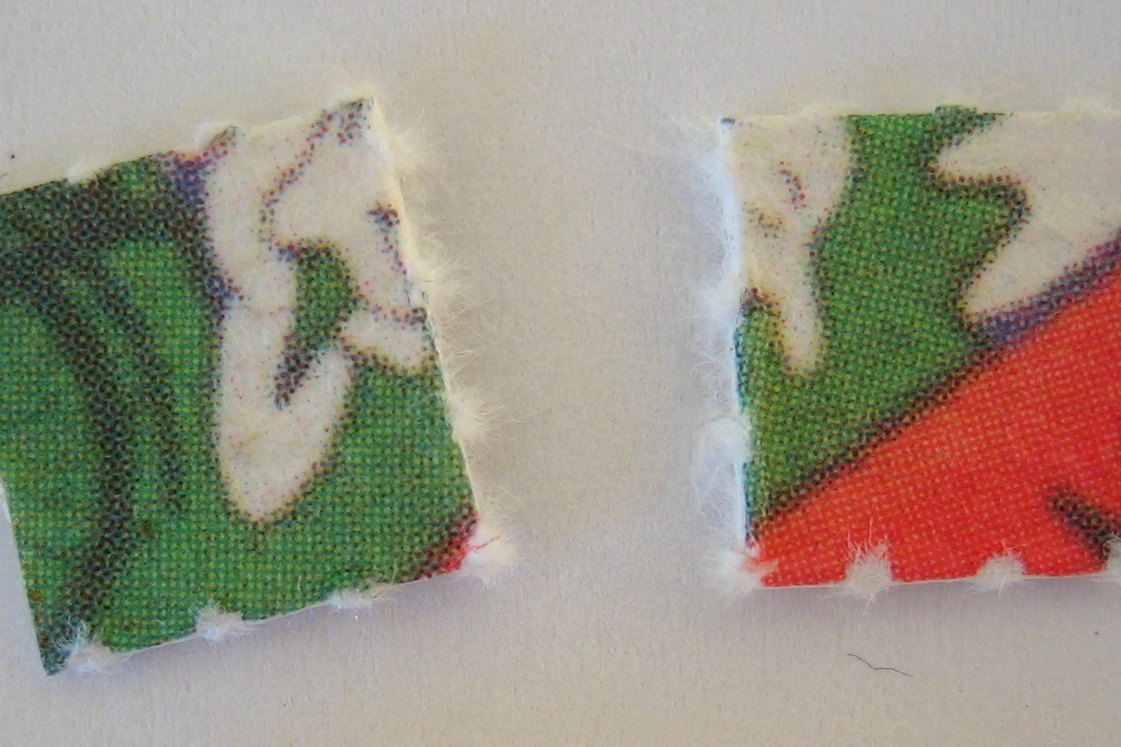
The format is known as an umbrella review: a review of reviews. The authors searched six databases through February 2026 for all systematic reviews and meta-analyses concerning microdosing LSD (inclusion threshold up to 20 micrograms per session) or psilocybin (up to 3 milligrams), in adults. These are review criteria, not recommended use regimens; the photo-caption example should not be read as a validated typical dose. Three quantitative meta-analyses included 14 studies but 13 unique samples and 1,614 people. Overlap was very high (CCA 0.29); these are not fourteen independent datasets. Three further reviews contributed narrative synthesis.
Cognitive results and narrative mood synthesis
The only significant pooled effect was a small decrease in cognitive control (d=−0.34; 95% CI −0.62 to −0.06); other domains were nonsignificant. No eligible meta-analysis supplied a pooled mood effect within microdose thresholds. Narrative synthesis describes mood benefits attenuated under placebo control, consistent with expectancy without establishing it as the sole cause. Nonsignificance does not prove absence of every individual effect.
What this implies
The evidence does not support marketing microdosing as demonstrated cognitive enhancement or concluding it is harmless. The abstract describes acceptable short-term tolerability but uncharacterized cardiovascular and long-term risks, including those related to 5-HT2B. It calls for adequately powered, preregistered, expectancy-controlled trials before clinical recommendations. For related context, we covered another review which concluded that LSD microdosing also fails to outperform a placebo for ADHD. In a field where verified information is as important as the freedom of each individual to decide what to do with their own mind, knowing what is proven and what is not is essential.
Source
- Özaydın Y, Canlan Özaydın B. “Classical psychedelic microdosing, mood, and cognitive function: An umbrella review with narrative synthesis.” Journal of Psychopharmacology, June 28, 2026.
Educational content written from a harm reduction perspective and with respect for individual freedom. It is not a substitute for advice from a healthcare professional and is not intended to encourage or condemn any drug use.