

In brief
- The 2026 European Drug Report from the EU Drugs Agency (EUDA) finds that harm reduction has expanded across Europe, though with stark differences between countries.
- Eleven European countries reported some drug checking in 2025 and twelve in 2024; this does not measure individual coverage or festival demand.
- Reported 2024 data record syringe-program availability in Spanish prisons; the cited naloxone formulation is not certification of universal access or quality across the system.
On June 9, the European Union Drugs Agency (EUDA, formerly the EMCDDA) presented the 2026 European Drug Report, its annual snapshot of consumption, markets, and health responses across 29 countries: the 27 EU member states plus Norway and Turkey. Among its chapters, the section dedicated to harm reduction reviews the status of supervised consumption rooms, opioid agonist treatments, and naloxone programs in Europe using 2024 and 2025 data, though actual access to these services depends heavily on one’s country of residence.
Consumption rooms and naloxone: Uneven expansion
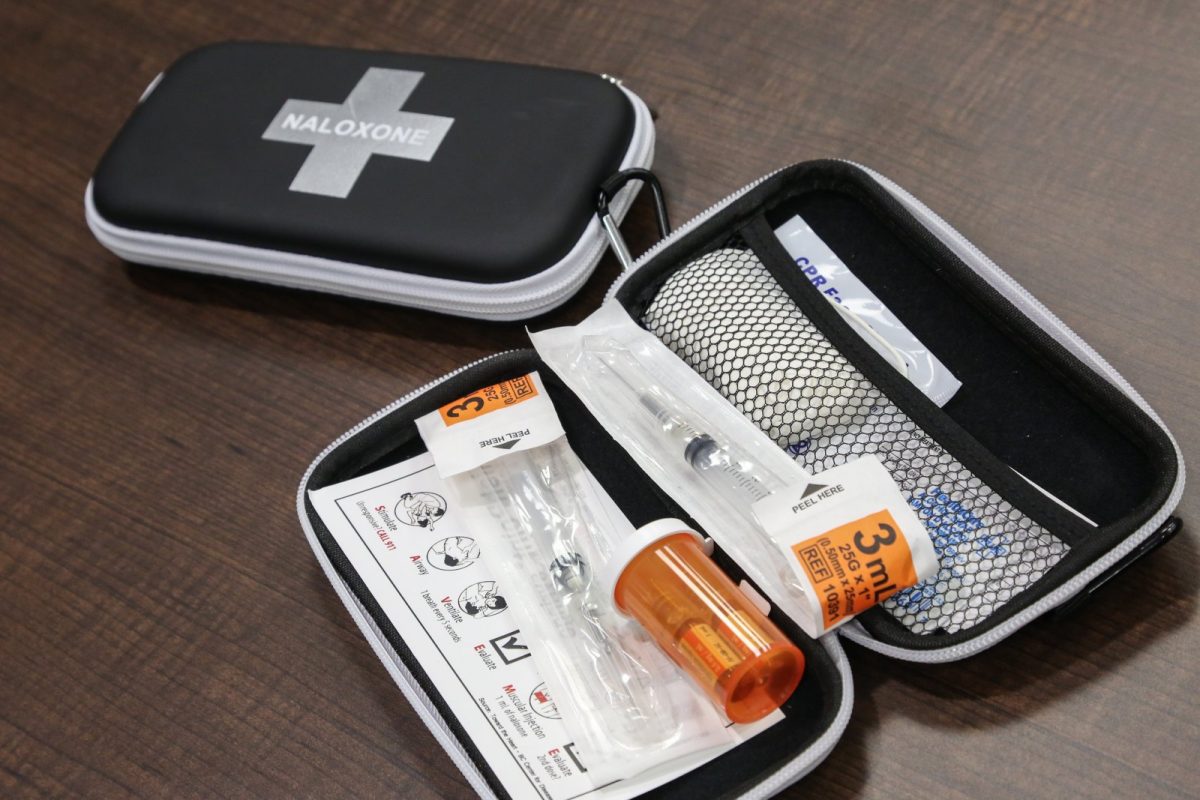
The chapter reports one hundred consumption rooms in thirteen EU states and Norway in 2025, and take-home naloxone programs in nineteen countries up to that year. These are availability indicators, not an audit of access for every person. Spain is among five using 0.4 mg/1 ml injectable vials included in WHO’s essential medicines list; that formulation is not a global quality accreditation for the system. Prison data for 2024 report syringe programs in all Spanish prisons and Luxembourg’s single prison, versus ten in France and one women’s prison in Germany. For opioid agonist treatment, fourteen of twenty-two countries with data met in 2024 the WHO coverage target for 2025, rather than fourteen of all twenty-nine report countries.
The weak point: Drug checking services
The most striking figure from a harm reduction perspective concerns drug checking. Eleven European countries reported some service in 2025 versus twelve in 2024. That difference alone establishes neither clinic closures, lower service intensity nor political cause; reporting availability does not mean universal coverage. Methods have differing accuracy and limits. Testing can reduce uncertainty and support alerts without guaranteeing complete composition or safe consumption; no causal rate of poisonings prevented is inferred here for people using MDMA or LSD in recreational contexts.
What this means
The indicators show gaps and different reference years. Reported availability does not establish effective access for every person, adequate budgets or each program’s efficacy. Nor does it permit attributing the change in countries reporting drug checking to political resistance without further evidence. For separate context, we reported on Czech Republic, which has just legalized medical psilocybin. It is worth remembering that these data correspond to 2024 and 2025, and that the country-by-country picture may have already changed in some specific areas since then.
Source
- Lasdrogas.info (Fundación Atenea). The EUDA confirms progress in harm reduction but points out major differences between European countries, based on the 2026 European Drug Report from the EU Drugs Agency (EUDA), July 14, 2026.
- EUDA. European Drug Report 2026: Trends and Developments, presented June 9, 2026.
Educational content written from a harm reduction perspective and with respect for individual freedom. It is not a substitute for advice from a healthcare professional and is not intended to encourage or condemn any drug use.