

In brief
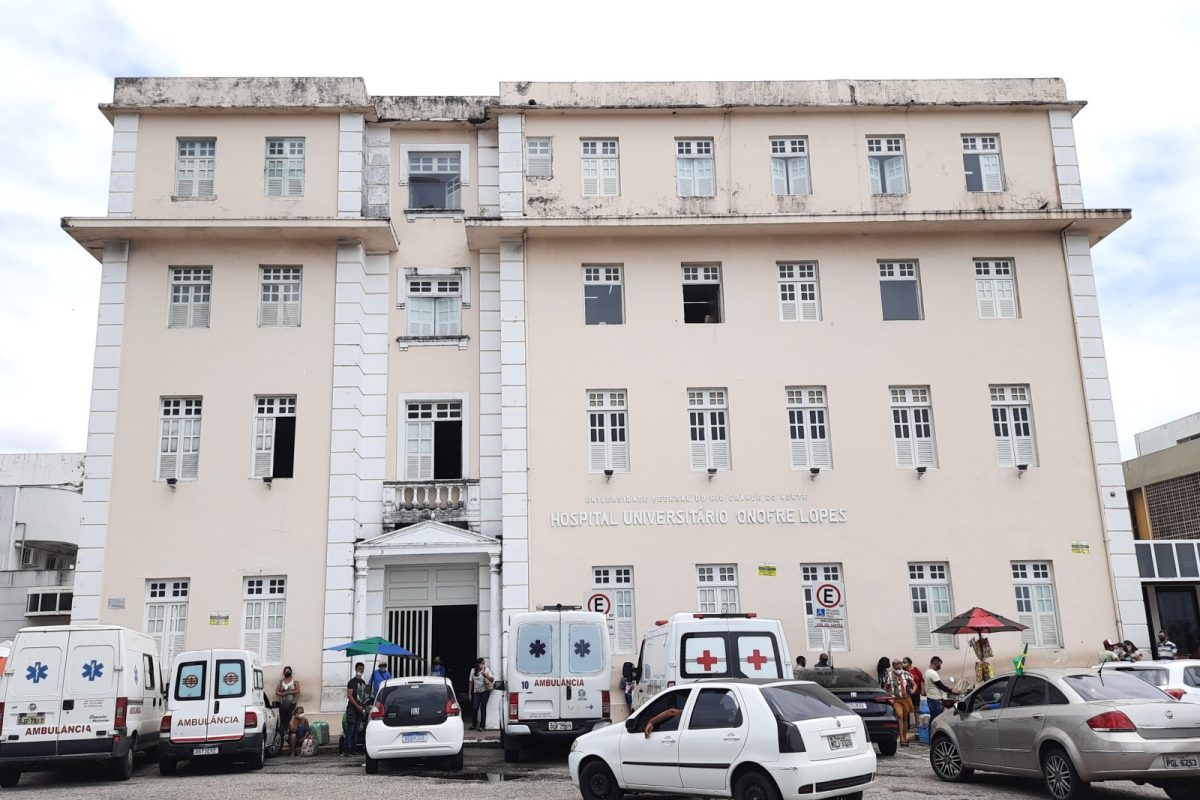
- A team from the Brain Institute at the Federal University of Rio Grande do Norte (Brazil) has published two open-label trials on inhaled DMT involving 27 healthy volunteers and 14 people with treatment-resistant depression.
- In patients, life satisfaction and all four dimensions of quality of life remained above baseline levels twelve months later.
- Lacking a placebo group and using small sample sizes, the study’s significance lies in what it measures: daily well-being, rather than just symptom scores.
Research into DMT has for years focused on a narrow question: how many points a depression scale drops. A new study from Draulio B. Araujo’s group in Natal, Brazil, shifts the focus toward something broader and harder to quantify: whether people’s lives actually improve, and for how long. The answer, in the group with treatment-resistant depression, extends up to twelve months.
Two trials, one question
The study, published July 8 in the Journal of Psychopharmacology, brings together two independent open-label trials. The first included 27 healthy volunteers, and the second involved 14 people diagnosed with treatment-resistant depression. In both, DMT was administered via vaporization in a prepared clinical setting, including pre-session psychological preparation, music composed for the occasion, and subsequent integration sessions. Patients received two sessions on the same day—15 mg in the first and 60 mg in the second—and maintained their usual psychiatric medication throughout the study to avoid withdrawal or decompensation.
What the data shows
In both groups, state anxiety (measured using the STAI-S inventory) decreased after inhalation and remained reduced the following day. Healthy volunteers reported higher life satisfaction for up to fourteen days afterward. In the group with treatment-resistant depression, the effect was much longer-lasting: life satisfaction remained elevated at twelve months, and the four dimensions of the WHO quality of life questionnaire—physical health, psychological health, social relationships, and environment—remained above baseline levels throughout that period. In a supplementary module, the authors also recorded partial improvements in inner peace, hope, and optimism—factors that no standard depressive symptom scale captures.
Implications
The authors are explicit about the limitations: both trials are open-label, lacking a placebo group or blinding, with small sample sizes and an exploratory nature. This means the pharmacological effect of DMT cannot be disentangled from the psychological support, the music, the carefully curated setting, the medication patients continued to take, or simply the events occurring in a person’s life over the course of a year. A twelve-month follow-up without a control group provides suggestive data, not definitive proof.
That said, the shift in the yardstick is worth noting. Those who approach these substances, whether inside or outside a clinical trial, rarely do so thinking about lowering points on a clinical scale: they do so hoping to sleep better, to reconnect with others, or to make daily life feel less burdensome. Measuring that, while clearly stating the limits of the evidence, is more useful than any headline. You can find further coverage in our DMT research tracker and in the science and psychedelic therapy section.
Source
- Bolcont R, Palhano-Fontes F, Barros H, et al. Beyond symptom reduction: DMT improves anxiety, life satisfaction, and quality of life in healthy volunteers and patients with depression. Journal of Psychopharmacology, July 8, 2026 (PMID 42421344).
- PsyPost. Brief DMT trips linked to lasting improvements in quality of life for depressed patients. PsyPost, August 6, 2026.
Educational content written from a harm reduction perspective and with respect for individual freedom. It is not a substitute for advice from a healthcare professional and is not intended to encourage or condemn any drug use.


