

In brief
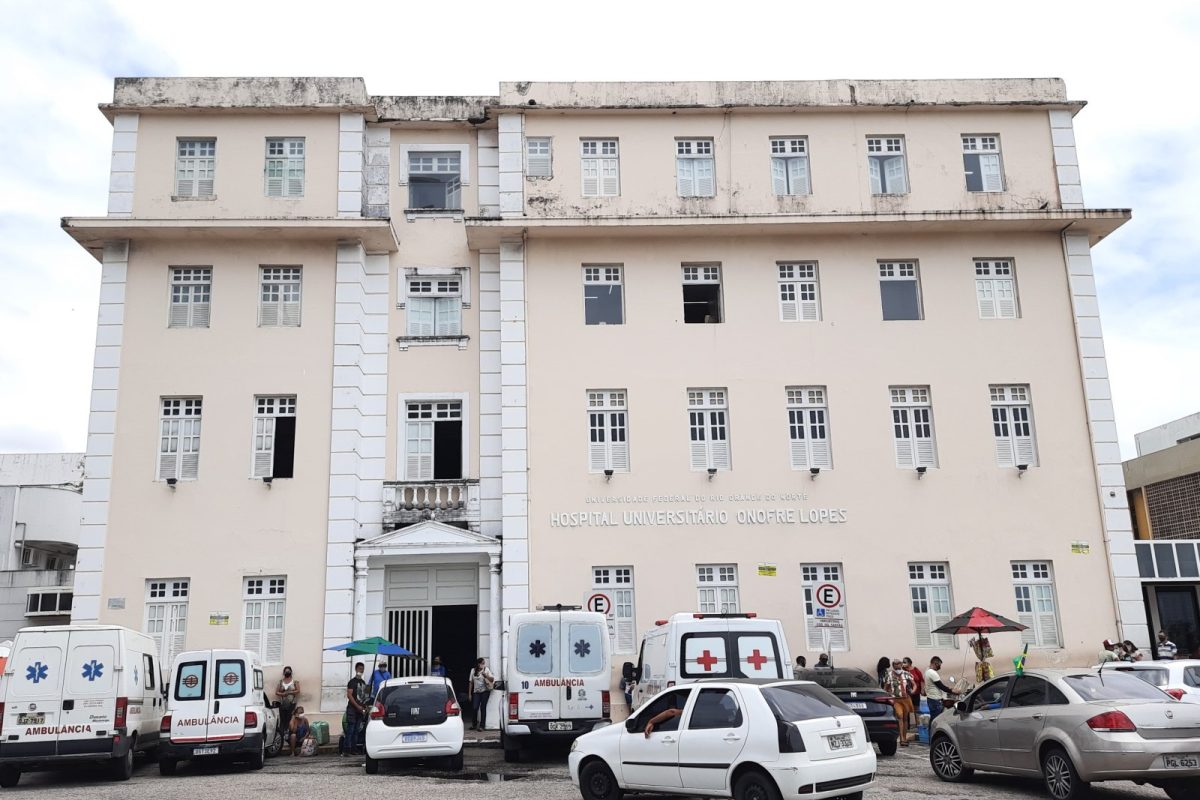
- A team from the Brain Institute at the Federal University of Rio Grande do Norte (Brazil) has published two open-label trials on inhaled DMT involving 27 healthy volunteers and 14 people with treatment-resistant depression.
- In patients, life satisfaction and all four dimensions of quality of life remained above baseline levels twelve months later.
- Lacking a placebo group and using small sample sizes, the study’s significance lies in what it measures: daily well-being, rather than just symptom scores.
An exploratory study of DMT from Draulio B. Araujo’s group in Brazil assessed anxiety, life satisfaction and quality of life. Its abstract describes follow-up up to twelve months in patients with treatment-resistant depression; it does not establish that the drug caused changes or that everyone initially enrolled completed each assessment.
Two trials, one question
The study, published July 8 in the Journal of Psychopharmacology, brings together two independent open-label trials. The first included 27 healthy volunteers, and the second involved 14 people diagnosed with treatment-resistant depression. The abstract places administrations in a supportive clinical setting. This review did not read the full text or verify dose amounts, session schedule, music or medication changes; these details are not represented as checked or as clinical instructions.
What the data shows
In both groups, state anxiety (measured using the STAI-S inventory) decreased after inhalation and remained reduced the following day. Healthy volunteers reported higher life satisfaction for up to fourteen days afterward. Among patients, whose follow-up was longer than that of healthy participants, the abstract reports that life satisfaction remained elevated at twelve months, and the four dimensions of the WHO quality of life questionnaire—physical health, psychological health, social relationships, and environment—remained above baseline levels throughout that period. In a supplementary module, the authors also recorded partial improvements in inner peace, hope, and optimism—dimensions in those instruments that do not establish continuous recovery in every aspect of life.
Implications
The authors are explicit about the limitations: both trials are open-label, lacking a placebo group or blinding, with small sample sizes and an exploratory nature. The design cannot separate pharmacological effects from support, expectations, context and other changes during follow-up. The abstract does not detail medication changes here or allow them to be certified. A twelve-month follow-up without a control group provides suggestive data, not definitive proof.
Measuring wellbeing as well as symptoms adds useful questions, but open-label responses remain subject to selection, expectations and other changes. The 14 patients are the initial sample, not a verified year-end retention denominator here. More coverage in our DMT research tracker and in the science and psychedelic therapy section.
Source
- Bolcont R, Palhano-Fontes F, Barros H, et al. Beyond symptom reduction: DMT improves anxiety, life satisfaction, and quality of life in healthy volunteers and patients with depression. Journal of Psychopharmacology, July 8, 2026 (PMID 42421344).
- PsyPost. Brief DMT trips linked to lasting improvements in quality of life for depressed patients. PsyPost, August 6, 2026.
Educational content written from a harm reduction perspective and with respect for individual freedom. It is not a substitute for advice from a healthcare professional and is not intended to encourage or condemn any drug use.