

A Visionary Snuff Witnessed by Columbus in 1493
When European expeditions reached the Caribbean Antilles, Spanish chroniclers observed the indigenous Taíno inhaling a powdered sacrament known as cohoba. It served as a sacred diagnostic tool: an instrument to converse with ancestral spirits, identify physical ailments, and guide communal governance. That botanical powder was milled from the seeds of the genus Anadenanthera, an ancient botanical lineage that anchors one of the most durable psychoactive traditions in the Americas.
A frequent historical myth in textbook summaries claims that these traditions simply “faded away” across the Caribbean. They did not disappear on their own: indigenous populations were decimated through forced labor, epidemic disease, and violent colonial conquest by Spanish, French, British, and Dutch empires. On rugged islands like Dominica, fierce Kalinago resistance deferred European colonization for nearly a century, where descendant communities survive today. Describing cultural erasure as peaceful extinction obscures brutal historical genocide.
What Bufotenine Truly Is
Bufotenine is chemically designated as 5-hydroxy-dimethyltryptamine (5-OH-DMT), a positional structural isomer of psilocin (4-hydroxy-DMT found in Psilocybe mushrooms). Its trivial name derives from the toad genus Bufo, within whose skin secretions it was first isolated as a minor constituent. That clinical distinction is crucial: toad venom is a complex, cardiotoxic cocktail of bufadienolides, making romantic countercultural myths of “licking toads” medically dangerous and absurd.
A vital pharmacological clarification must be emphasized: bufotenine (5-OH-DMT) is not identical to 5-methoxy-DMT (5-MeO-DMT). The dominant visionary alkaloid of cebil seeds is pure bufotenine; by contrast, 5-MeO-DMT is the psychoactive alkaloid associated with the Sonoran Desert toad Bufo alvarius and components of northern yopo snuffs. Conflating these two distinct chemical structures has perpetuated persistent errors across ethnobotanical literature for decades.
Remarkably, bufotenine is also produced endogenously within human blood and cerebrospinal fluids. Documented by clinical researchers during the 1960s, endogenous mammalian biochemistry synthesizes minute quantities of this tryptamine, generating the peculiar legal paradox analyzed below.
Cebil: Five Millennia of Ethnobotanical Continuity
Cebil represents the most potent botanical variety of Anadenanthera colubrina, flourishing throughout northwestern Argentina. Indigenous nations like the Wichí and Chiriguano have gathered its seeds across thousands of years, never as mundane food, but as a revered spiritual sacrament. Archaeological excavations—unearthing carved bone pipes, ceramic trays, and polished hardwood snuff mortars—demonstrate continuous use spanning Argentina, Bolivia, Peru, Chile, Brazil, Colombia, and the Greater Antilles.
The phytochemistry of cebil exhibits immense natural variability: active bufotenine yields fluctuate widely from tree to tree, rendering seed potency unpredictable. Chemically, bufotenine is extraordinarily stable: intact alkaloids have been isolated from nineteenth-century botanical museum specimens. While early twentieth-century pharmacologists doubted whether bufotenine was truly hallucinogenic, modern trials confirm its potent visionary activity, albeit with substantial individual variance.
Phenomenology of Subjective Effects
Subjective reports document a consistent trajectory. Initial symptoms involve intense somatic heaviness and transient thoracic tightness. This rapidly shifts into closed-eye geometric visions—cascading arabesques, serpentine waves, and kaleidoscopic lattices—gradually yielding to figurative dream-like scenes. In rare peak experiences, subjects report deep transpersonal phenomena: soaring sensations, discarnate travel, and totemic animal transformation. Visionary peaks resolve swiftly within twenty to forty minutes, leaving mild residual physical stimulation.
In traditional contexts, seeds were never consumed merely for entertainment. They fulfilled ritual functions in shamanic divination, and were occasionally blended into fermented ceremonial ales. Among the Inca, Anadenanthera seeds (termed villca) were utilized by state oracles; the Wichí fermented traditional cebil wine. Sacred use remained strictly grounded within communal ceremonies, completely removed from isolated recreational consumption.
The Regulatory Paradox: Unregulated Does Not Mean Safe
While N,N-DMT is strictly controlled under Schedule I of the 1971 UN Convention, bufotenine (5-OH-DMT) has historically remained omitted from international treaty schedules, despite displaying higher intranasal potency than DMT. This statutory loophole prompted commercial gray-market claims of a “legal high” that must be critically rejected: domestic statutes vary worldwide, and statutory absence indicates nothing regarding physiological safety. Legality is an administrative convention, never a toxicological guarantee.
Critical Appraisal and Harm Reduction
Classic countercultural texts often depict cebil as harmless and non-toxic. This represents an incomplete appraisal. Subjective logs frequently record acute nausea, cardiac acceleration, ataxia, and transient muscle spasms: physiological signs denoting marked cardiovascular and autonomic strain.
Key harm-reduction principles must be recognized:
- Cardiovascular risks. Bufotenine induces potent peripheral vasoconstriction. Individuals with hypertension, cardiac arrhythmias, or vascular vulnerabilities face acute hazards; the stimulant load is clinically substantial.
- Perilous chemical combinations. Historical lore occasionally mentions combining snuffs with harmala alkaloids (MAOIs). Combining serotonergic agonists with monoamine oxidase inhibitors drastically elevates risks of fatal serotonin syndrome and hypertensive crisis.
- Unpredictable natural potency. Extreme botanical variability between wild trees means past dosages provide zero guarantee of subsequent potency.
- Toads must never be licked. Secretions from toads contain deadly cardioactive bufotoxins; popular folklore regarding licking toads is medically unfounded.
- Socio-ritual context. Indigenous use was collective, guided, and spiritually mediated. Removing these substances from structured cultural containers multiplies risks of psychological distress.
This historical overview is purely educational. It provides no dosing manuals or extraction guides, and must not be interpreted as encouragement to consume illegal or hazardous compounds.
Botanical Architecture and Distribution
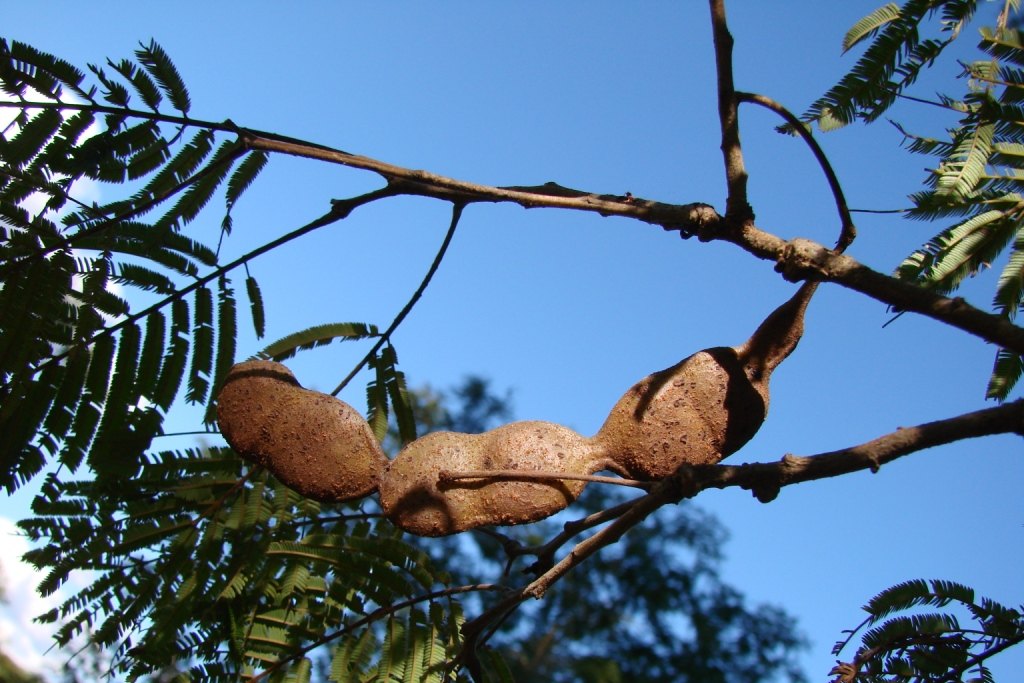
The genus Anadenanthera comprises two closely allied arboreal species: colubrina and peregrina, each possessing two distinct botanical varieties. Geographically, yopo (A. peregrina) inhabits northern South America, the Guianas, Venezuela, Colombia, Brazil, and the Caribbean; cebil or vilca (A. colubrina) dominates the southern Andean arc: Argentina, Bolivia, Peru, and Chile, bearing indigenous names such as huilca, vilca, or cebil. These leguminous trees range from medium shrubs to towering canopy specimens with dark, tuberculate bark, feathery bipinnate leaves that fold inward at dusk, and leathery pods yielding flattened seeds historically traded as currency.
An Enduring Continental Legacy
Far beyond the Caribbean Taíno, ceremonial use of Anadenanthera spans South America. Among the Piaroa along the Orinoco, sacred snuff forms part of shamanic practices to diagnose disease and restore communal harmony. This profound archaeological, linguistic, and ethnographic depth elevates these seeds beyond mere pharmacological novelties: they represent foundational cultural sacraments in the psychological history of the Americas.
Referenced Sources
Ethnobotanical literature regarding these species draws upon classic scholarship including Plantas de los Dioses by Richard Evans Schultes, Albert Hofmann, and Christian Rätsch, alongside monographs by Jonathan Ott, Christian Rätsch, and K. Trout. They are cited for historical context without clinical endorsement: responsible education requires distinguishing traditional folklore from validated clinical pharmacology.


