

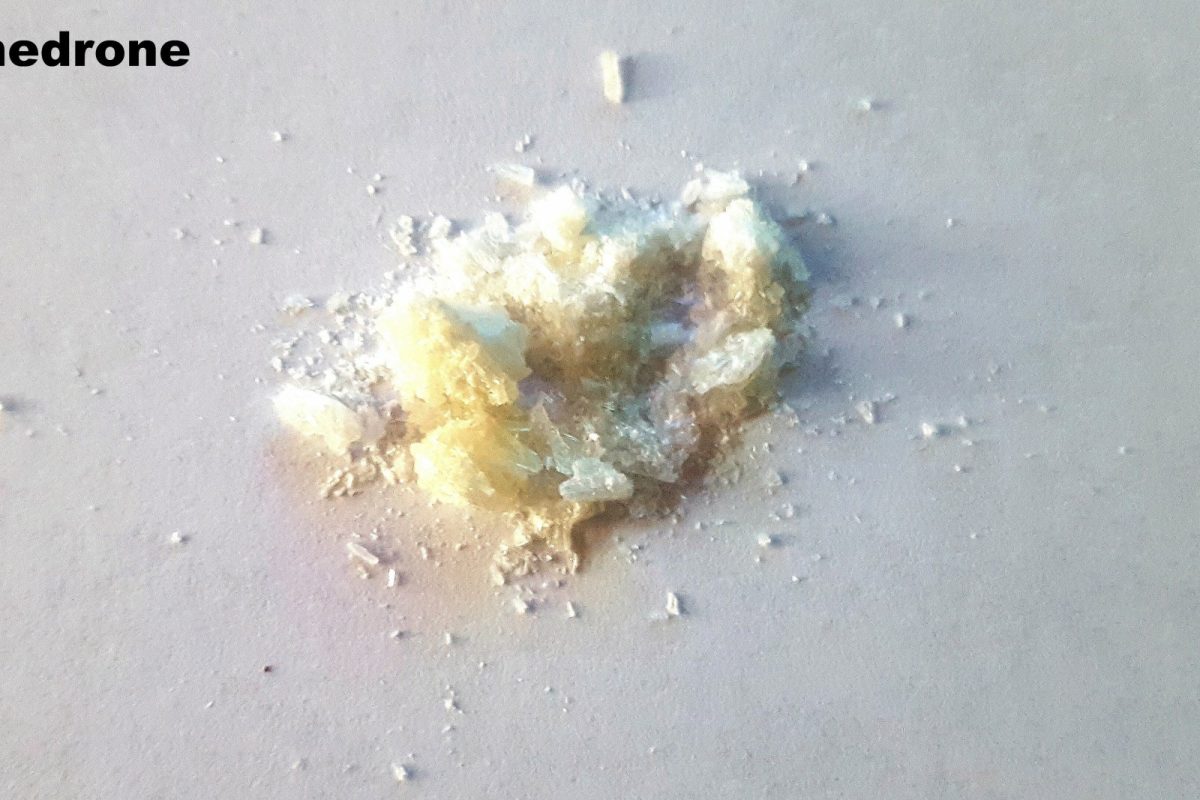
In brief
- Energy Control has detected NEP, a poorly studied synthetic cathinone, in samples analyzed in Spain between January and July 2026: 80.43% of the NEP-containing set was listed as NEP and 19.57% as NEP plus another cathinone; these are neither market shares nor concentrations.
- Adulteration spiked in June at the start of festival season, appearing primarily in substances sold as mephedrone, “tusi,” or methamphetamine.
- NEP produces euphoria that fades much faster than its stimulant effects, a mismatch that encourages compulsive redosing.
The Spanish drug-checking service Energy Control has issued an alert regarding NEP, a synthetic stimulant that appeared prominently in samples sent to its laboratory from across Spain during the first seven months of 2026. The organization, which provides free analysis of pills, powders, and crystals submitted by users, warns that nearly two out of every ten samples identified as NEP also contained another synthetic cathinone, which multiplies the risk of overstimulation.
NEP: chemical identity and sales labels
EUDA identifies NEP as N-ethylnorpentedrone, also named N-ethylpentedrone; it is distinct from N-ethylpentylone or ephylone. An ambiguous sales name does not establish chemical identity. Those who try it often describe increased energy, a lack of fatigue, and a sense of reward similar to other stimulants. The problem, notes Energy Control, is the gap between its two effects: the euphoria dissipates long before the pure stimulation, so the person remains “activated” even after the high has faded, and this gap pushes them to redose faster than intended.
What the laboratory says
According to data collected between January and July 2026, 80.43% of the samples that turned out to be NEP were listed as NEP, without that percentage measuring chemical purity, while the remaining 19.57% combined NEP with another cathinone, primarily 4-MMC (mephedrone), 3-MMC, or 2-MMC. The prevalence of these mixtures grew month by month, peaking in June with the start of the festival season. Almost no one asks for “NEP” by name: the samples arrived at the lab sold generically as “mephes,” and those who submitted them believed they were getting 4-MMC, 3-MMC, 2-MMC, tusi, or methamphetamine. The effects Energy Control associates with this overstimulation include tachycardia, anxiety, physical discomfort, and insomnia, without the bulletin establishing a safe dose or measuring tolerance development here.
What this implies
This is a surveillance bulletin based on voluntarily submitted samples, not a clinical study or a representative sample of the entire market: the bias is that of those who choose to test what they consume, so the percentages reflect what has reached the laboratory, not necessarily all the mephedrone in circulation. Even with that caveat, the pattern fits a contextual fact: EUDA reported EU control measures in January 2026 and a July national-transposition deadline; consolidated Spanish law was not verified here, so absence of restrictions is not asserted. Given this uncertainty, Energy Control’s recommendation is not abstinence but rather reducing exposure to risk: use drug-checking services before consuming, start with a minimal dose, do not mix with other stimulants or alcohol, stay hydrated, and if anxiety or tachycardia occurs, seek a quiet space and trusted company. Knowing what you have actually purchased remains the most effective tool against a market that changes its composition faster than its labels, as was already seen with nitazenes.
Source
- Energy Control (ABD). LabInforma: adulteraciones con NEP, enero-julio 2026. Energy Control, August 7, 2026.
Educational content written from a harm reduction perspective and with respect for individual freedom. It is not a substitute for advice from a healthcare professional and is not intended to encourage or condemn any drug use.