

In brief
- A Danish research team compared LSD, psilocybin, and 2C-B using PET imaging to measure brain metabolic activity in rats.
- All three substances act on the same initial receptor yet leave distinct neural traces: 2C-B lights up reward pathways, LSD modulates habit and motivation circuits, and psilocybin shifts emotional regulation regions.
- One-week patterns differed; absence of hypometabolism in one 2C-B analysis does not mean every regional change disappeared.
A study published on September 3 in Nature Communications has compared, for the first time using the same technique in separate animal groups, how three classic psychedelics—LSD, psilocybin, and 2C-B—alter brain metabolism. The findings challenge the longstanding assumption that because these compounds activate the same serotonin receptor, they all produce the same broad patterns of brain activity.
One receptor, three distinct maps
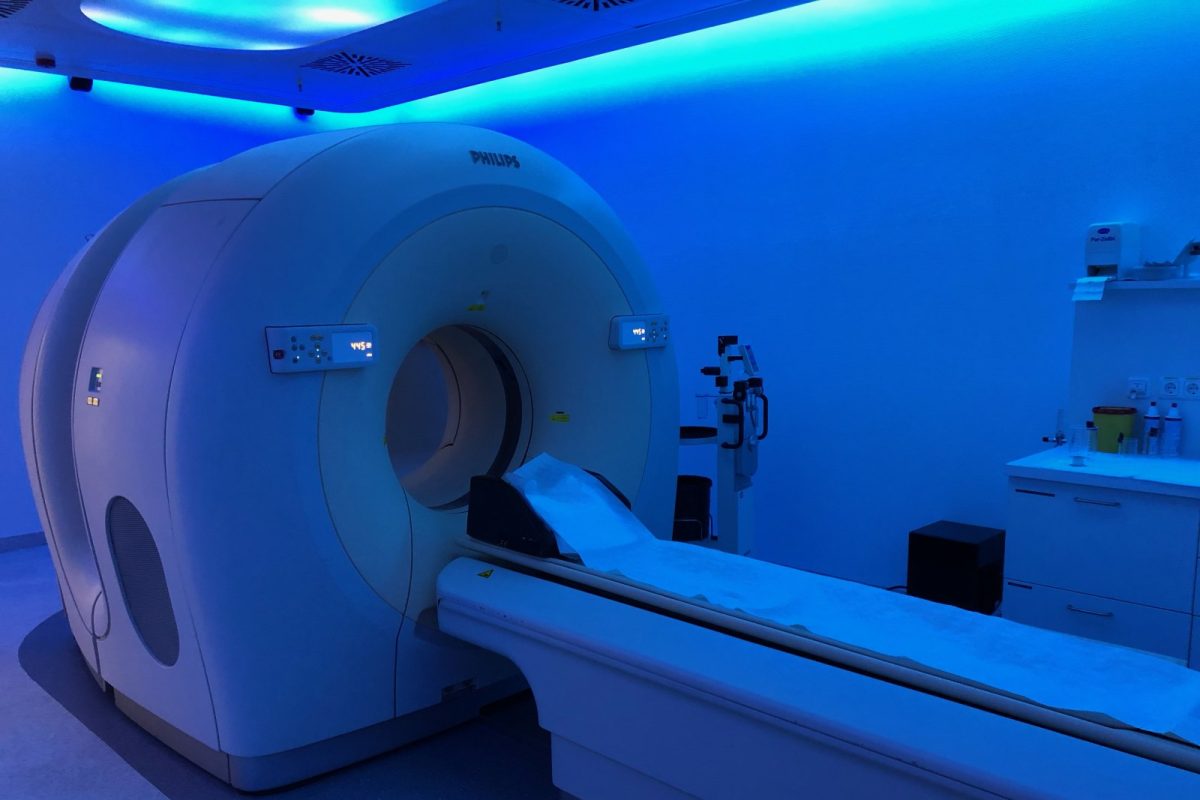
The team, led by Frederik Gudmundsen and Mikael Palner at the University of Southern Denmark, administered a single dose of each substance to rats and tracked brain metabolic activity using 18F-FDG PET, both in the hours immediately following administration and one week later. All three drugs share the same entry mechanism—activation of the 5-HT2A receptor—yet analysis across biologically defined networks revealed strikingly different patterns. LSD decreased activity in the retrosplenial cortex and the hippocampus, regions linked to habit and spatial orientation; 2C-B produced a focal increase in the midbrain, an area tied to reward processing; and psilocybin stood out for its impact on networks involved in emotional regulation.
What persistence reveals
The most striking finding emerged seven days after the single dose. LSD and psilocybin continued to show a moderate decrease in metabolic activity distributed across the cortex, limbic system, and midbrain, whereas that pattern was not detected with 2C-B, which nevertheless showed regional changes at one week; its amygdala-hypothalamus covariance change was exploratory and did not survive multiple-comparison adjustment. Gudmundsen, who completed his PhD in Denmark and is now a postdoctoral researcher at Aarhus University, notes that what matters is not just what happens while the substance is active, but the trace left behind. Palner, the study’s senior author, sums up the core takeaway: psychedelics are often discussed as if they all work the same way, but looking at the brain reveals clear differences. The study received funding from Independent Research Fund Denmark, the Novo Nordisk Foundation, the Lundbeck Foundation, the Danish Neuroscience Academy, and the US National Institutes of Health.
What it means
These findings must be kept in perspective: this is a rodent study using PET rather than the functional MRI techniques commonly used in human volunteers, and the authors themselves emphasize that human trials are needed to determine whether these patterns translate into meaningful clinical differences. Even so, the study offers valuable insight for anyone following psychedelic science closely: evidence that grouping compounds as distinct as LSD, psilocybin, and 2C-B under a single umbrella oversimplifies what happens in the brain—a point already highlighted by the Basel clinical trial that placed 2C-B midway between MDMA and psilocybin. If confirmed in humans, these differences suggest that each compound may ultimately align with distinct clinical indications—such as anxiety, depression, or compulsive behaviors—rather than being treated as interchangeable. For anyone using these substances therapeutically, exploratory, or recreationally, the underlying takeaway aligns directly with harm reduction: every molecule possesses its own pharmacology and profile, and deserves to be understood on its own terms.
Source
- Gudmundsen, F., Palner, M. et al. Serotonergic psychedelics induce distinct patterns of metabolic activity and covariance within biologically informed rat brain networks. Nature Communications, September 3, 2026.
Educational content written from a harm reduction perspective and with respect for individual freedom. It is not a substitute for advice from a healthcare professional and is not intended to encourage or condemn any drug use.

