

In brief
- A Phase 1 trial in Leiden has tested CYB004, a deuterium-modified DMT, in healthy volunteers.
- The half-life was approximately double that of standard DMT, and effects lasted between 40 and 60 minutes.
- High doses triggered experiences so intense that some participants dropped out, and the deuterium did not reduce inter-individual variability.
A team at the Centre for Human Drug Research in Leiden has published the results of a Phase 1 human trial involving CYB004, a modified version of DMT in which several hydrogen atoms have been replaced with deuterium. The goal of the modification was straightforward: to keep the molecule active in the body for a longer period. It succeeded. However, it did not resolve the other persistent issue associated with injected DMT.
A trip of minutes, a scheduling problem
Smoked or injected DMT enters the system quickly and leaves just as fast. The body destroys it with the enzyme monoamine oxidase in a matter of minutes, which explains the brevity of the experience. Ayahuasca bypasses this brake because the brew provides inhibitors of that enzyme, which stretches the effect over several hours.
For clinical research with psychedelics, this brevity is both an attraction and a hindrance. A psilocybin session can occupy six to eight hours of clinic time and staff resources. A DMT session lasts less time than a coffee break—too short, some researchers argue, to allow enough time to work therapeutically with what emerges. The deuterium approach aims to slow degradation without changing the molecule’s core structure. Deuterium is “heavy hydrogen,” and the bond it forms with carbon is more difficult for enzymes to break.
What was measured in Leiden
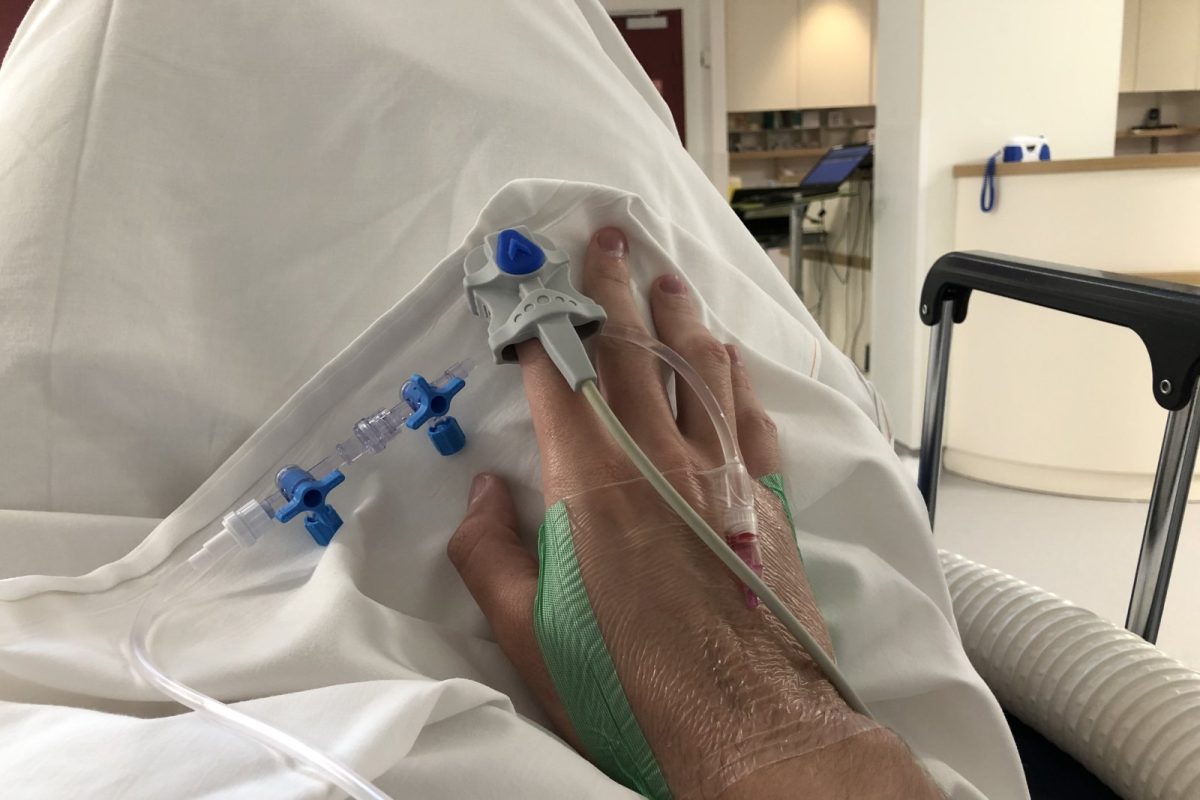
The study was randomized, double-blind, and placebo-controlled, divided into two parts and conducted with healthy volunteers. In the first part, participants received a 12.7 mg intravenous bolus administered over five minutes, followed by a 15.41 mg infusion over half an hour. The second part used a three-arm crossover design with two separate 12.7 mg boluses.
At comparable plasma concentrations, CYB004 behaved like conventional DMT: subjective psychedelic effects, power drops in electroencephalogram bands, and activation of the autonomic nervous system. The difference was in the clock. The half-life was about double, and the effects lasted between 40 and 60 minutes following a brief administration.
The authors do not sugarcoat the uncomfortable aspects. High doses produced experiences so intense that some participants withdrew from the study; lower doses, which reached concentrations similar to those in previous DMT trials, showed an acceptable safety profile. And the deuterium failed to meet the other expectation: pharmacokinetic variability remained moderate to high, driven primarily by differences between individuals. The same dose still does not produce the same blood concentration in everyone.
What this implies
It is important to place these findings in context. This is a Phase 1 trial: it measures safety and how the drug behaves in the body, not whether it is effective for treating a condition. The participants were healthy individuals, not patients, and the work itself is described as exploratory. The study was funded by Cybin, the company developing CYB004, and three of the signatories are employees. This study does not assess generalized-anxiety efficacy or itself establish the status of subsequent trials.
What the study does provide is an insight applicable outside the laboratory: the duration of a DMT experience depends on the speed at which the body destroys it, and that speed is not the same for everyone. Anyone combining tryptamines with MAO inhibitors, whether in the form of a brew or a pill, is manipulating that exact lever. Individual response is significantly less predictable than any dosage chart suggests.
Source
- van der Heijden KV, Jacobs GE, James EH et al. Safety, pharmacokinetics, and pharmacodynamics of intravenously administered deuterated N,N-dimethyltryptamine (CYB004) in healthy volunteers. Journal of Psychopharmacology, September 3, 2026. DOI 10.1177/02698811261478616.
Educational content written from a harm reduction perspective and with respect for individual freedom. It is not a substitute for advice from a healthcare professional and is not intended to encourage or condemn any drug use.