

In brief
- The largest specific survey on psychedelic microdosing to date gathers data from 5,399 people worldwide.
- Psilocybin dominates the practice (81.1% have used it), ahead of LSD (39.6%), with the same pattern observed across all regions.
- The Fadiman protocol—one day of microdosing followed by two days of rest—remains the most common regimen among regular microdosers.
A team of researchers from Canada and the United States has published the results of the Global Psychedelic Survey 2025 in the International Journal of Drug Policy, the most comprehensive study on microdosing to date. It does not measure whether microdosing works compared to a placebo—several trials have already attempted that with mixed results—but rather something more fundamental and less explored: what substances people are using, according to what schedule, and in what real-world context, outside of the laboratory.
A global snapshot of real-world use
The survey was conducted online, anonymously, between May 1 and May 23, 2025, and was available in 19 languages. Of the total participants, 5,399 people reported having microdosed at some point in their lives, and 69.8% (3,768) had done so within the last year. The work is authored by Rotem Petranker of McMaster University, alongside researchers from the University of Toronto, the Centre for Addiction and Mental Health (CAMH) in Toronto, the University of Michigan’s Michigan Psychedelic Center, and the University of California, Los Angeles (UCLA).
Psilocybin and the Fadiman protocol lead the way
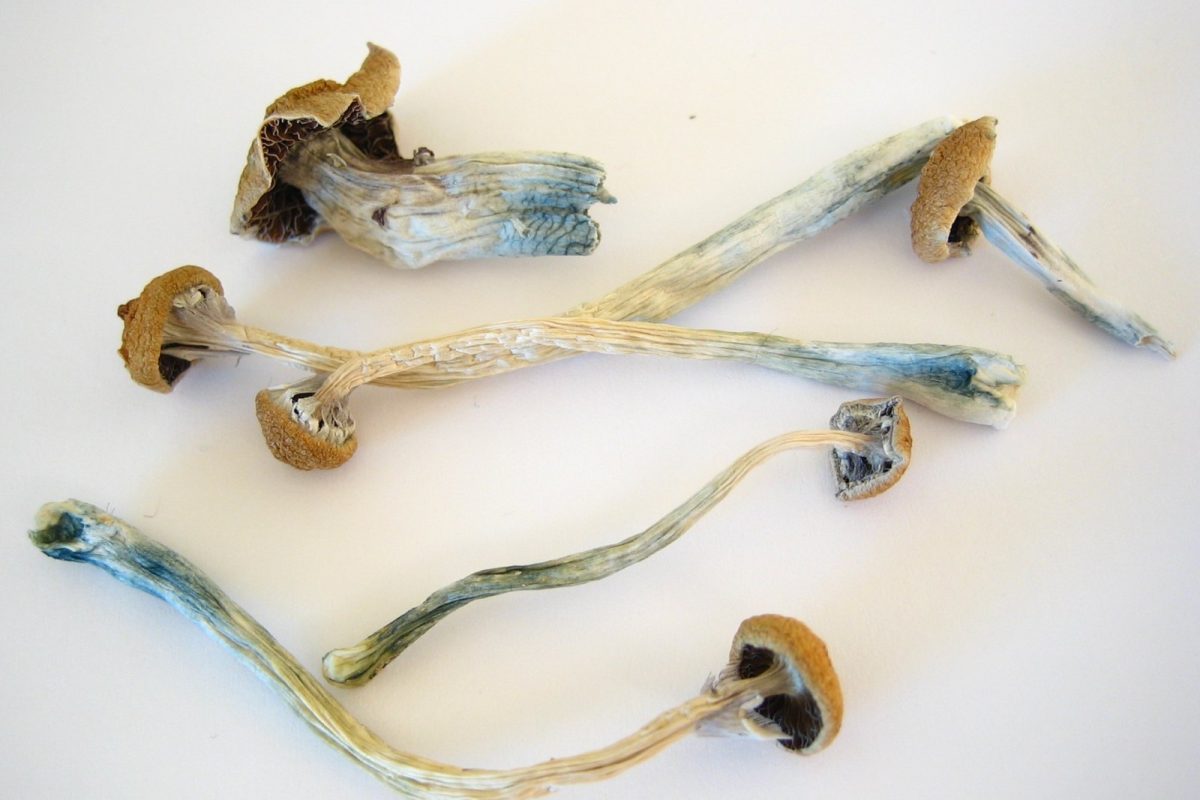
Psilocybin was the most cited substance, with 81.1% of respondents (4,377 people) reporting its use in microdosing, followed by LSD, present in 39.6% of cases (2,136 people). This distribution remained stable across the different regions of the world covered by the sample. Among those who microdose regularly, the most repeated regimen remained the Fadiman protocol—one dose every three days—chosen by 24.3% (1,203 people). The study also inquired about the context of use: 58.9% reported spending time in nature during their microdosing days, 56.8% prioritized introspection, and 43% dedicated the time to leisure, which the authors interpret as an informal integration of set and setting care even at sub-perceptual doses.
What it implies
The authors themselves are clear about the scope of the work: it is a cross-sectional, self-selected survey, not a controlled trial, so it does not allow for conclusions regarding clinical efficacy or the dismissal of the placebo effect, a debate that remains open in microdosing literature. What it provides is something else: a map of how psilocybin and LSD are being used in daily practice, with figures that until now were based on much smaller or local samples. The researchers note that these data can serve both to better design future clinical trials and to guide harm reduction materials tailored to how people actually microdose, rather than how they are “supposed” to do it. We previously reported on the other half of the debate—efficacy—when we published the largest meta-analysis to date, which failed to distinguish microdosing from placebo.
Source
- Petranker R, Syed OA, Sobolenko V, Giacobbe P, Kruger DJ, Aday JS, Lake S, Lucas P. Microdosing psychedelics: What, why, when, and how often? Insights from an international survey of people who use psychedelics. International Journal of Drug Policy, vol. 156, article 105459, August 2026.
Educational content written from a harm reduction perspective and with respect for individual freedom. It is not a substitute for advice from a healthcare professional and is not intended to encourage or condemn any drug use.

