

In brief
- A team from the Luxembourg focal point of the European Union Drugs Agency (EUDA) and the National Health Laboratory analyzed influent water from five treatment plants throughout 2024: 255 weekly samples.
- MDMA was detected in 99.6% of samples, with significant increases during weekends, similar to cocaine.
- Estimated consumption was higher at the capital’s treatment plant and lower in more rural areas; cocaine proved to be the most consumed illegal stimulant.
Collective MDMA consumption can be estimated without surveying users by combining wastewater measurements, chemical analyses and correction factors. A study published on October 1 in the journal Drug Testing and Analysis applies this concept to Luxembourg, a small country where very different environments coexist within a few kilometers.
What was measured and how
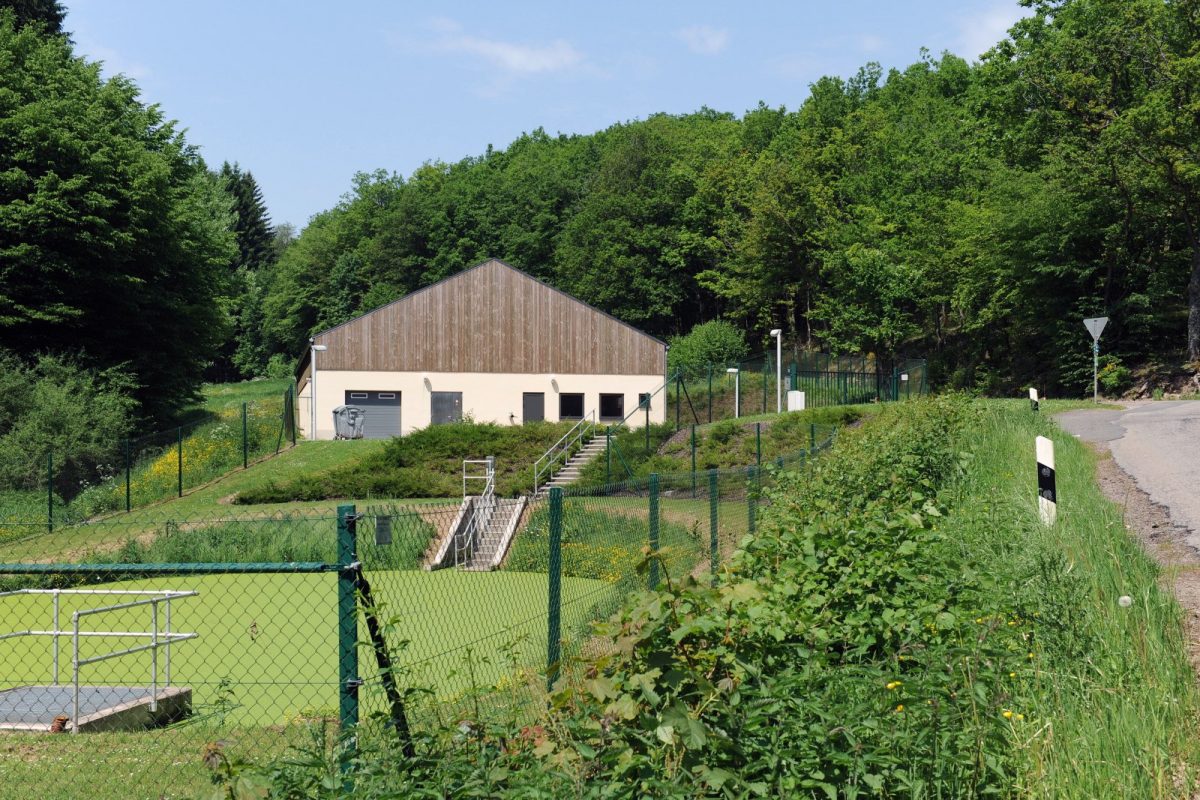
Throughout 2024, the team collected weekly samples of untreated water from five treatment plants. These covered urban, peri-urban, and rural contexts. Using liquid chromatography-mass spectrometry, they quantified the drugs and their metabolites. Using established correction factors and purity estimates obtained from 2024 seizures, they converted these concentrations into consumption per capita.
In total, there were 255 samples. Cocaine (measured as benzoylecgonine) appeared in all of them. MDMA was found in 99.6%, amphetamine in 92.5%, and methamphetamine in 79.2%. In other words, MDMA is an almost constant presence in the country’s water, something that should not be read solely as high consumption: frequency of detection and the amount consumed are different things.
City, countryside, and weekends
The highest estimates corresponded to the treatment plant serving Luxembourg City, and the lowest to the most rural area. For all four substances, consumption showed a linear relationship with the size of the population served. Regarding cocaine and MDMA, the authors observed significant increases during weekends—a pattern that could be linked to concentrated weekend use, although the method does not allow for confirmation.
In the annual comparison, cocaine was the most consumed illegal stimulant in the country. The authors present wastewater epidemiology as a complement to surveys and police statistics, with the advantage that it does not depend on what each person is willing or able to report.
Limitations
We have been able to read the article’s abstract, but not the full text, which is behind a paywall. Therefore, we are not delving into absolute figures of doses per inhabitant. It is also worth remembering what this method cannot say: it does not distinguish how many people are using or with what frequency, it does not separate use between partners, parties, or therapeutic settings, and conversions depend on correction factors and the purity attributed to seized substances. It is a collective snapshot, not a census of individuals.
What it implies
For those working in harm reduction, the useful data is the calendar: MDMA use is concentrated on weekends and in urban centers, exactly where drug checking services, event-based information, and warnings about adulterants—such as the case of PMMA sold as MDMA in Spain—make the most sense. Knowing when and where use is concentrated allows resources to be placed where they are needed, without judging anyone. To understand what this substance is and what is being researched with it, we have a guide in our section on MDMA and empathogens.
Source
- Berndt N, Wiltgen L, Villani N, Dahm G, Roschel K, Schneider S. Estimating Illicit Stimulant Drug Consumption in Luxembourg Using Wastewater-Based Epidemiology. Drug Testing and Analysis (DOI 10.1002/dta.70156), October 1, 2026.
Educational content written from a harm reduction perspective and with respect for individual freedom. It is not a substitute for advice from a healthcare professional and is not intended to encourage or condemn any drug use.