

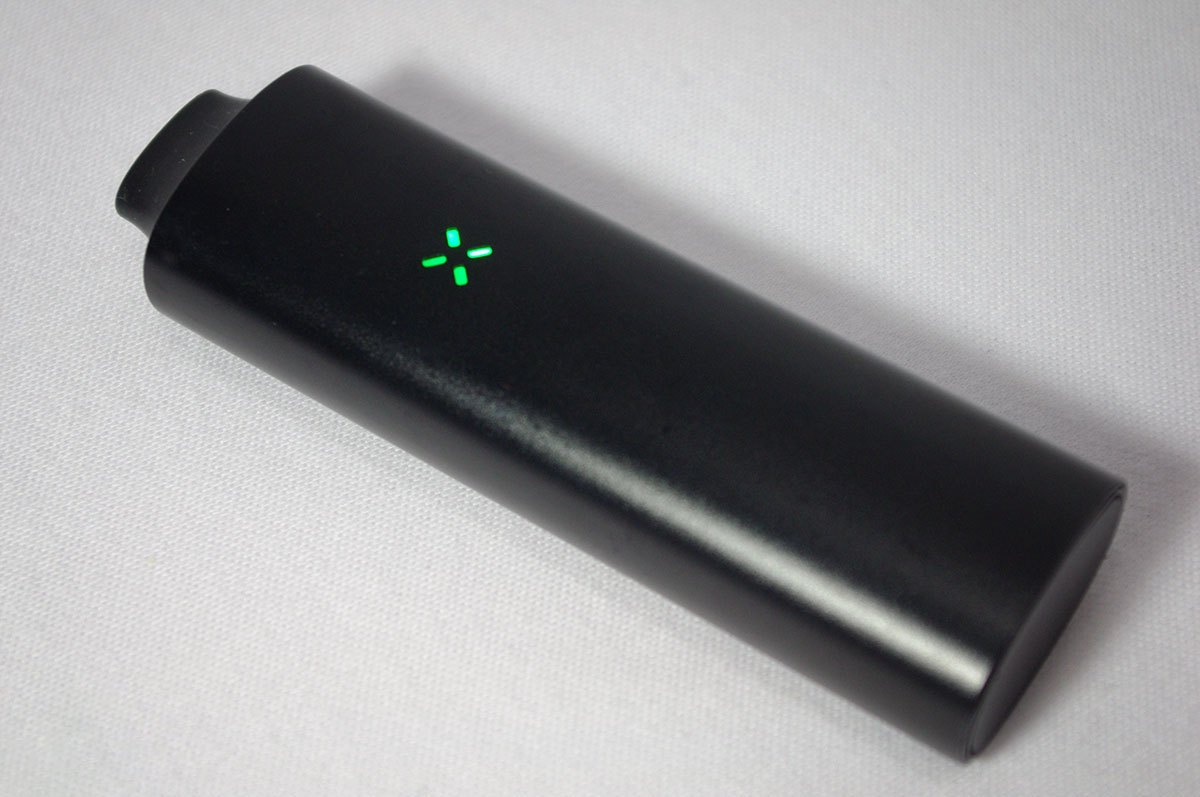
The landscape of cannabis consumption has undergone a significant transformation in recent years, driven primarily by the technological evolution of inhalation devices. While direct combustion was the predominant method for decades, vaporization has established itself as a superior scientific and therapeutic alternative. This shift is not merely anecdotal; it responds to clear pharmacological evidence regarding how to release active principles without generating toxic byproducts. In this analysis, we will explore the most recent findings that validate this technology, its impact on user health, and the complex regulatory environment that still limits its full medical integration.
In brief
- Thermal Efficacy: Vaporization releases cannabinoids at controlled temperatures (130–180ºC / 266–356ºF), avoiding the formation of carcinogens present in cigarette smoke.
- Scientific Validation: Recent studies confirm that current commercial devices are effective for inhaled administration, although differences between models persist.
- Economic Challenges: The high cost of certified equipment and replacement parts represents an accessibility barrier for many therapeutic patients.
- Complex Regulation: The lack of specific regulations in Europe prevents explicit marketing as medical devices, forcing the use of generic terminology.
Pharmacological Foundations: From Acid to Active
To understand why a vaporizer is superior to a cigarette, we must delve into the basic chemistry of cannabinoids. Natural plants primarily produce acidic forms of these compounds, such as THCA-A and CBD-A. In their natural state, these molecules are pharmacologically inactive; they do not exert effects on the user’s endocannabinoid system.
For therapeutic or psychoactive effects to emerge, a chemical process called decarboxylation is required. This process removes the carboxyl group from the molecule, activating it. The simplest and most traditional way to achieve this has been to raise the temperature of the plant material above 180ºC (356ºF) through combustion.
Here lies the fundamental problem: to reach those temperatures, it is necessary to burn the material. Combustion generates a flame that easily exceeds 600ºC (1,112ºF) at the tip of a cigarette. At these thermal heights, not only are cannabinoids activated, but a significant percentage of them is destroyed (estimated between 30% and 40%), and—most seriously—polycyclic aromatic hydrocarbons, benzene, and other irritating and carcinogenic compounds are generated. Furthermore, most recreational users mix cannabis with tobacco, exposing themselves to the full spectrum of toxins found in cigarette smoke.
Vaporizers resolve this dilemma by bringing the active principles into a gaseous state through controlled heat, without reaching ignition. This allows for the preservation of the substance’s chemical integrity and minimizes the inhaled toxic load drastically.
Thermal Selectivity: An Art of Precision
One of the greatest benefits of vaporization is its ability to be selective. Each component of cannabis has a different evaporation point, which theoretically allows for their separate extraction according to specific needs.
- Terpenoids: These are released at low temperatures, around 130ºC (266ºF), providing the aromatic profile and the entourage effects (synergy) without necessarily activating all cannabinoids.
- THC: Requires approximately 157ºC (315ºF) to vaporize completely.
- CBD: Needs temperatures between 160º and 180ºC (320º–356ºF).
This precision allows users or therapists to adjust the device to obtain specific doses of each compound, something impossible with indiscriminate combustion. However, it is crucial to understand that these ranges are approximate and depend on material density, packing consistency, and the efficiency of the diffusion system.
Technological Comparison: Conduction vs. Convection
Not all vaporizers function the same way. Efficacy and safety depend largely on their heating mechanism:
Conduction (Direct Contact)
In these models, the cannabis comes into direct contact with a hot metal plate. It is a simple method, but it can create hot spots if the material is not mixed well, which could lead to localized burning or compound degradation.
Convection (Air Heating)
Here, a heating element warms the air that then circulates through the chamber where the cannabis is located. This method is generally more uniform and safer, avoiding excessive temperatures in specific spots. Most recent studies have validated electronic devices with this system as the most suitable for therapeutic use.
The State of Research: Evidence vs. Monopoly
Research on vaporizers has advanced slowly, largely due to institutional barriers. In the United States, the National Institute on Drug Abuse (NIDA) maintained a monopoly for decades that made it difficult to obtain cannabis for independent studies. Although organizations like MAPS fought for years against these restrictions, the first robust studies were only published in 2006.
An important milestone was the study published in PLOS One (Public Library of Science), which evaluated five available commercial models. The results were conclusive: all studied devices managed to vaporize sufficient quantities of THC and CBD without generating combustion, though with notable variations depending on the model. The team at the Phytopharmacology Laboratory at the University of Bern (Switzerland) confirmed that electronic vaporizers are more efficient and safer than their gas-powered counterparts.
It is important to note that, until recently, only one specific device could be scientifically recommended for clinical trials due to its high reliability. Its high cost (between 400 and 500 euros) and the need for specialized replacement parts made it inaccessible for many patients. However, increasing competition among manufacturers is lowering the cost of these technologies and improving their performance.
The Regulatory Challenge in Europe
Despite scientific evidence supporting the therapeutic use of vaporized cannabis, European legislation presents significant obstacles. The European Union applies strict regulations on medical devices (CE Marking), but cannabis vaporizers are generally not classified as such due to their legal status as a harmful drug in many contexts.
This forces manufacturers to use generic terminology in instructions, avoiding explicit references to marijuana to market the product. In some countries, they are not even allowed to be labeled as “cannabis vaporizers” and must be sold under ambiguous concepts like “plant vaporization devices.” This ambiguity hinders access to treatment and confuses healthcare professionals.
The E-Cigarette Phenomenon
We cannot ignore the emergence of electronic cigarettes (e-cigarettes). Although their primary function is to help quit tobacco, concerns have arisen regarding their use for inhaling cannabis. Recent studies suggest that this phenomenon is limited, but prevention experts warn about the risk of initiation among minors.
From a public health perspective, the controversy revolves around whether these devices can serve as a bridge to drug use or if they are simply another tool for harm reduction. Current evidence indicates that inhaling cannabis via e-cigarette is less harmful than smoking it with tobacco, but it remains an area that requires greater epidemiological surveillance.
Potential for Smoking Cessation
There is an unexplored public health opportunity: combined use. Many smokers consume both tobacco and cannabis simultaneously, learning to do so from a young age. If vaporizers were to become widely adopted, this association could be broken, facilitating smoking cessation.
A recent study published in the journal Addiction suggests that the use of vaporizers has the potential to significantly reduce tobacco consumption among cannabis users. This would not only protect lung health but also help culturally decouple the act of smoking from recreational or therapeutic consumption.
Conclusion: Toward a Culture of Awareness
Vaporization represents a crucial step forward in cannabis pharmacology. It allows access to the benefits of cannabinoids with a safety profile much more favorable than traditional combustion. Although challenges related to cost, availability, and regulation persist, science supports its use as a valid harm reduction measure for both informed recreational users and therapeutic patients.
As the editorial team of Psiconáutica.org, we advocate for an approach based on evidence and prudence. It is not about demonizing cannabis or promoting its indiscriminate use, but about fostering practices that minimize the harms associated with its consumption. User education is fundamental: knowing optimal temperatures, understanding the differences between devices, and knowing how to read labels critically are essential skills for any responsible consumer.
The future of therapeutic cannabis depends on our ability to integrate these technologies into a regulatory framework that protects health without hindering access to effective treatments. In the meantime, the conscious choice of a certified vaporizer over a conventional cigarette is, today, an informed decision that respects the integrity of the body and science.