

In brief
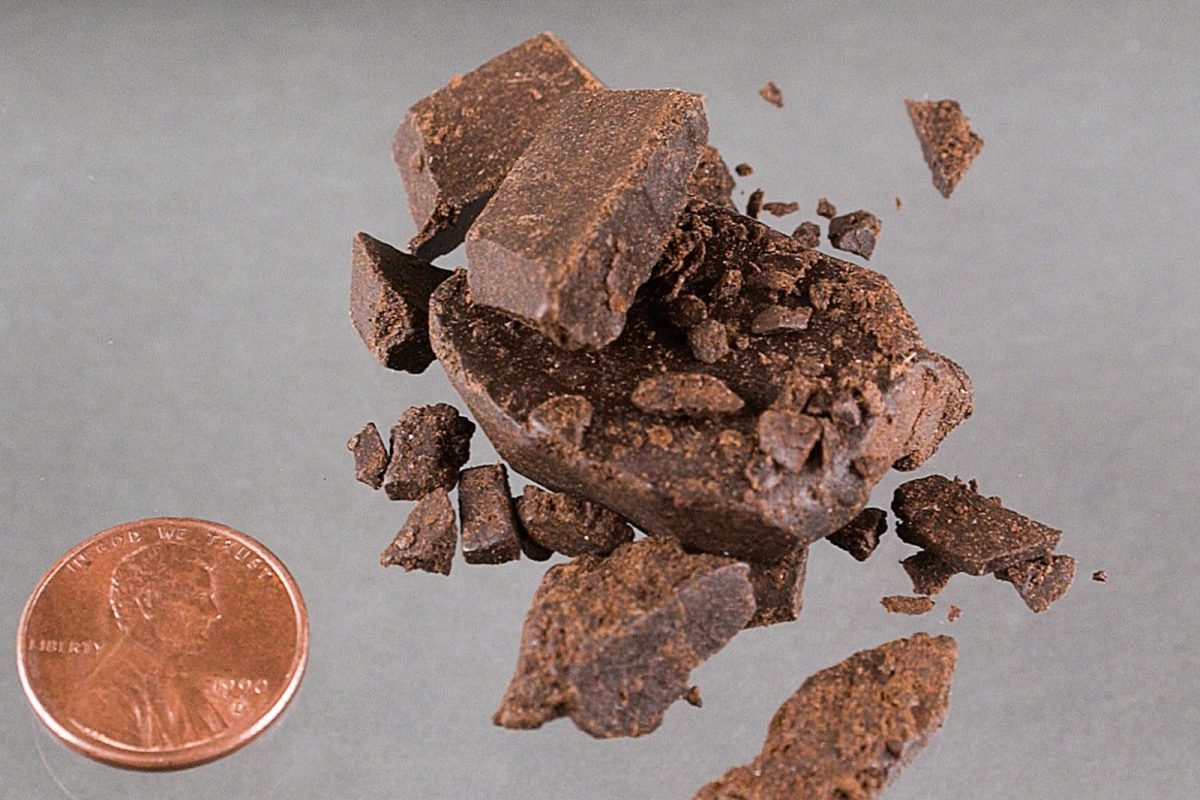
- A European drug-checking service in Zurich identified a sample sold as hashish listing two synthetic cannabinoids alongside other cannabinoids: MDMB-4en-PINACA and ADB-4en-PINACA.
- The finding is part of PRO Test’s week-34 bulletin aggregating selected results from several European countries; those samples do not estimate market prevalence.
- The record does not quantify the synthetic cannabinoids or establish a safe dose; appearance and smell do not verify composition.
A sample sold as hashish in Zurich appeared in a record listing two synthetic cannabinoids alongside CBD, CBDA and CBN. The results, published in late August by European drug-checking service PRO Test, revealed two synthetic cannabinoids—MDMB-4en-PINACA and ADB-4en-PINACA—without quantities for those synthetics or sufficient evidence to establish absolute THC absence or how the sample was prepared.
A weekly monitor tracking what is actually circulating
Run by the Polish firm Chemical Safety, PRO Test publishes a weekly summary of test results from samples submitted across several countries—including Austria, France, Slovenia, Spain, and Switzerland in that week’s report—alongside data shared by other drug-checking services across the continent. This is neither an academic study nor an official government alert; it is a real-world snapshot of the street market, sourced directly from laboratories analyzing what people have actually purchased.
The information concerns samples voluntarily submitted or collected by testing services. Such selections can flag unexpected composition, but do not themselves describe adulteration frequency or effects of a particular sample.
Why synthetic hash is different
Synthetic cannabinoids like MDMB-4en-PINACA were developed to activate the same cannabinoid receptors as THC, but this record does not quantify their potency or establish comparison with a THC dose. Unexpected constituents mean the sales label does not establish composition; this record does not verify the particular preparation or concentrations. The bulletin measures neither an active-to-toxic dose margin nor batch homogeneity, so a safe exposure cannot be calculated from it.
For consumers, there is no visual warning sign: the appearance can be indistinguishable from genuine hash. A home reagent validates neither the entire composition nor safety. Detection depends on the specific method, and every kit was not evaluated here; suitable analytical testing is needed.
What this means
This is neither an isolated incident nor the first: adulterating low-grade cannabis and hash with synthetic cannabinoids has been documented across Europe for years—recently seen in Spain with products sold as CBD—and this Swiss sample confirms the issue remains ongoing. The sensible response is neither panic nor harsher crackdowns, but the core tenets of harm reduction: not treating price, texture or trust in the seller as evidence of composition, and seeking a drug-checking service with suitable methods; home reagents do not rule out these synthetics. This form of decentralized surveillance—consumers submitting samples and testing services reporting their findings week after week—can provide early signals without establishing that it is faster than every official monitoring system. Readers interested in exploring the broader drug landscape can consult Psiconáutica’s Psychedelics Guide.
Source
- PRO Test (Chemical Safety sp. z o.o.). Drug Purity Report: Week 34, 2026. PRO Test, August 30, 2026.
Educational content written from a harm reduction perspective and with respect for individual freedom. It is not a substitute for advice from a healthcare professional and is not intended to encourage or condemn any drug use.