
In brief
- lasDrogas.info published a report attributing a notice about undeclared cannabinoids in products sold as CBD to Spain’s early warning system.
- The report describes HHC in an oil advertised as CBD and MDMB-4en-PINACA in CBG cartridges; it mentions other formats without establishing market prevalence.
- A CBD label does not itself establish composition or safety. The report describes specific tests, so it is inaccurate to say that no one analyses the products.
On 18 August 2026, lasDrogas.info published a report attributing an 11 August notice about undeclared cannabinoids in products sold as CBD to Spain’s Ministry of Health and SEAT. The outlet said it contained EUDA and European-system information. This review read the report but did not obtain the original notice; those assertions are therefore attributed to the outlet rather than presented as a directly verified official warning.
What has been found
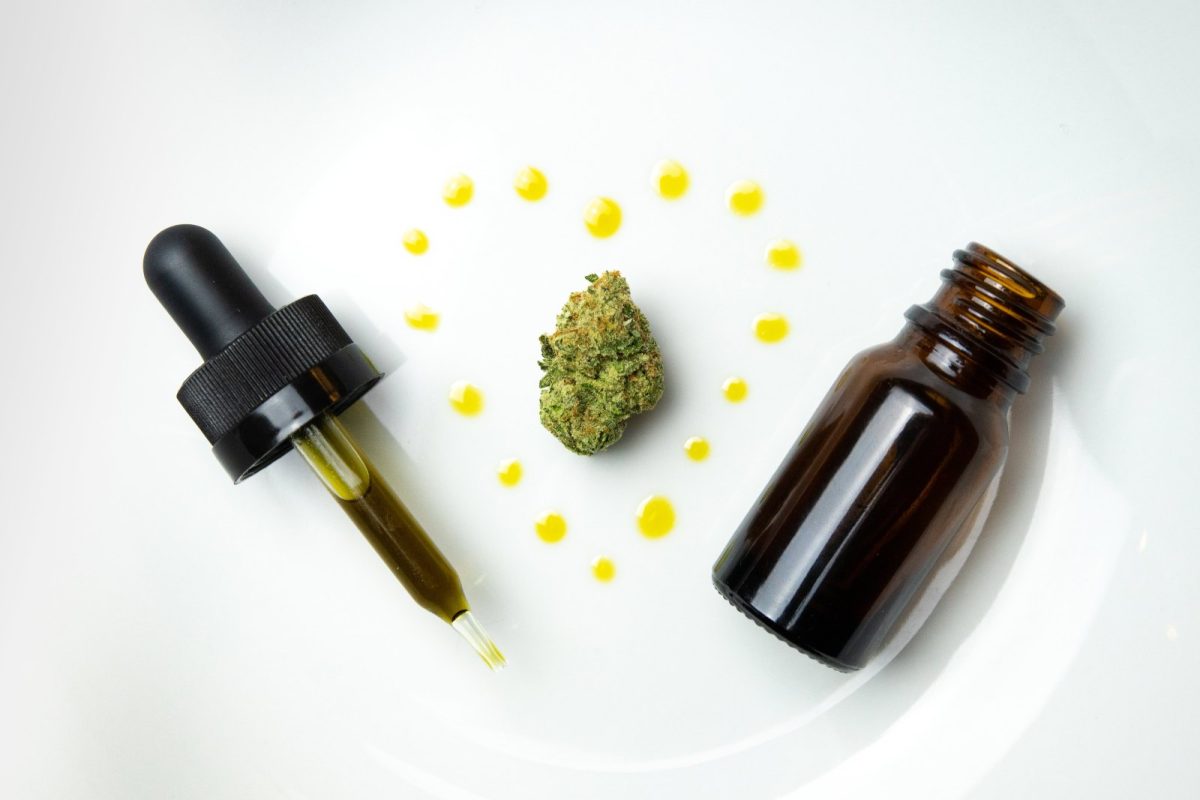
According to that report, a product advertised as 50% CBD oil contained HHC and cartridges labelled as CBG derivatives contained MDMB-4en-PINACA. The outlet attributed the findings to Spain’s General State Customs Laboratory and Cyprus’s national focal point. It also mentioned flowers, resins, liquids, vapes and edibles and several sales channels. Without the original notice and laboratory reports, this review cannot independently verify each identification or estimate how common it is across the market.
Where the real risk lies
Unexpected ingredients can add risks different from those of the product a person believes they are buying. This does not justify describing CBD as harmless: in February 2026, AESAN reported continuing uncertainties about its safety as a novel food. That food assessment neither establishes inhalation safety nor confirms the warning described in the report. lasDrogas.info also refers to intoxications reported in Europe; without the original document, this review does not verify their numbers or a specific causal relationship.
What this implies
Information provenance and batch traceability matter, but publishing a certificate of analysis does not itself guarantee each product’s composition or remove risks. The report does not quantify risk reduction from a particular sales channel. We offer general context in our pillar on harm reduction and responsible use, and information on other substances and their profiles can be found in the Psychedelics Guide. In July, we reported that a decade of analysis in Spain concerned a different set of samples. That reference cannot establish CBD-product adulteration prevalence or guarantee the contents of a specific batch.
Source
- lasDrogas.info. The Ministry of Health warns of the sale of CBD products adulterated with synthetic cannabinoids. lasDrogas.info, August 18, 2026.
Educational content written from a harm reduction perspective and with respect for individual freedom. It is not a substitute for advice from a healthcare professional and is not intended to encourage or condemn any drug use.