

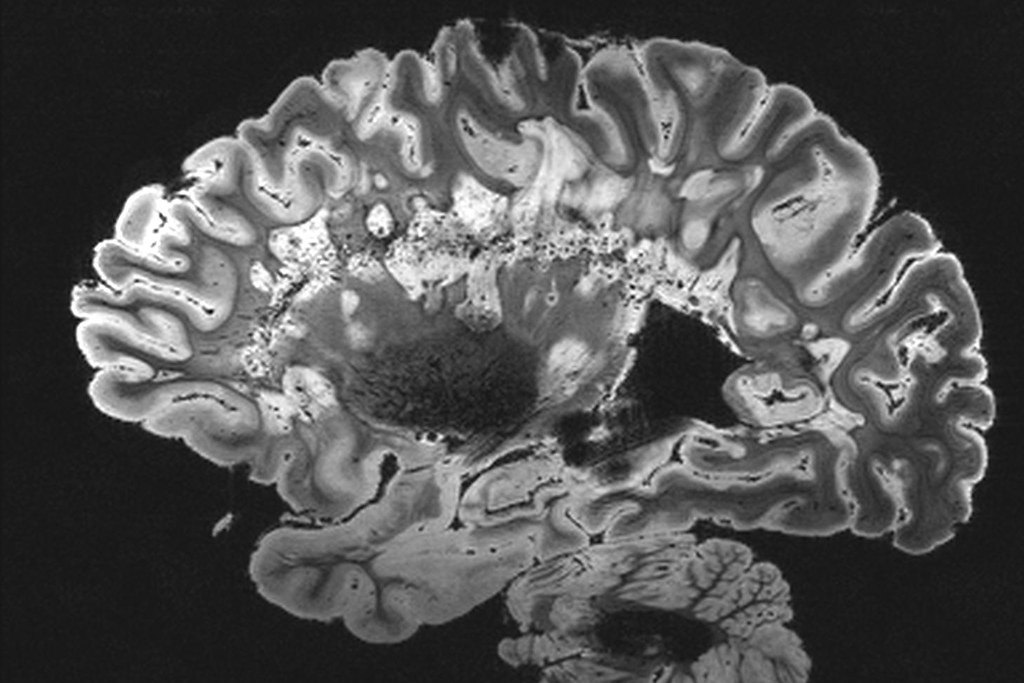
Following our examination of more prevalent conditions like Parkinson’s and multiple sclerosis, this review focuses on rare pathologies: ALS, Huntington’s, and prion diseases. We analyze preclinical findings on neuroprotection and the scarcity of controlled trials.
In brief
- Cannabis shows promise in animal models for ALS and Huntington’s, though human data remains limited.
- The blood-brain barrier facilitates the passage of cannabinoids more effectively than many conventional drugs.
- In rare diseases, basic research is advancing faster than controlled clinical trials.
The Challenge of Rare Neurodegenerative Pathologies
Up to this point, we have explored the role of cannabis in prevalent neurological conditions such as multiple sclerosis, Parkinson’s, and Alzheimer’s. However, the therapeutic landscape expands when considering less common diseases that are equally devastating to quality of life and survival. These pathologies present unique challenges: heterogeneous causes, variable prognoses, and frequently, limited access to effective conventional treatments. It is crucial to establish a fundamental premise in our scientific approach from the outset: cannabis is not a conventional drug, but an internationally regulated substance. Despite the existence of extracts authorized by agencies like the FDA or the EMA for specific indications, and despite the volume of scientific literature accumulated over half a century, its legal status remains anchored in regulations that prioritize political considerations over direct clinical evidence. This dissonance between observed therapeutic reality and the regulatory framework has created situations where terminally ill patients have resorted to self-medication out of necessity, assuming legal and safety risks without professional supervision.
Distinctive Pharmacological Properties
The relevance of cannabis in neurology lies in its physicochemical particularities. The primary active ingredients are highly lipophilic molecules, which allow them to diffuse efficiently through cell membranes and cross the blood-brain barrier. This capacity is decisive, as it constitutes one of the greatest obstacles to the development of conventional neuroactive drugs. Furthermore, the endocannabinoid system plays an essential physiological role in cerebral homeostasis. Endogenous cannabinoids, such as anandamide and 2-AG, actively participate in processes of oxidative inhibition and the facilitation of neuroregeneration in various animal species. Studies have corroborated that cannabidiol (CBD) possesses documented neuroprotective properties in models of hypoxic-ischemic encephalopathy—that is, brain damage resulting from severe oxygen deprivation.
Amyotrophic Lateral Sclerosis (ALS): Between Hope and Evidence
ALS represents a paradigmatic example of a progressive neurodegenerative disease with a fatal prognosis. It is characterized by the gradual degeneration of motor neurons, leading to uncontrollable muscle paralysis. Although higher cognitive functions such as intellect and memory usually remain intact until advanced stages, muscle weakness progresses inexorably, frequently culminating in respiratory failure. The epidemiology of this condition is low: it affects approximately 1 to 3 people per 100,000 inhabitants. Its exact etiology remains unknown, which complicates the development of targeted therapies.
Preclinical Evidence in Animal Models
The most robust data on the efficacy of cannabis in ALS comes from laboratory research. Transgenic mouse lines have been used, specifically those carrying the hSOD (G93A) gene, designed to replicate the human pathophysiology of the disease. Published studies indicate that treatment with synthetic THC, administered both before and after the onset of clinical symptoms, managed to improve motor parameters and increase survival by 5%. It is notable that this neuroprotective effect does not appear to depend exclusively on the direct activation of CB1 receptors, as it was observed even when those receptors were pharmacologically blocked. Likewise, the use of cannabinol (CBN) and genetic manipulation to raise anandamide levels showed similar results in terms of delaying progression. On the other hand, the efficacy of the spray marketed for multiple sclerosis (Sativex®) has been evaluated in these models. The results were mixed: the drug proved effective in delaying symptoms in early stages, but lost its protective capacity as the pathology advanced.
Clinical Reality in Humans
The transition from animal findings to human clinical applications presents significant limitations. A 2004 survey of 131 ALS patients revealed that only a minority subgroup (approximately 10%) had used self-medicated cannabis during the previous year. Although this number is low, the testimonies suggest a moderate improvement in symptoms such as loss of appetite, depressive states, pain, spasticity, and sialorrhea (excessive drooling). However, no significant benefits were observed in speech difficulties, swallowing, or sexual dysfunction. A placebo-controlled clinical trial, considered the gold standard in medical research, was conducted in 2010 with a small sample of 27 patients. They received oral doses of THC for two weeks. The drug was well-tolerated from a safety standpoint, but no statistically relevant differences compared to the placebo were detected in parameters such as muscle cramps, sleep quality, depressive state, or appetite.
Huntington’s Disease: Movements and Neuroprotection
Huntington’s disease is a hereditary pathology with a clear genetic basis. It manifests through severe psychiatric and motor alterations, including chorea (exaggerated involuntary movements) and sudden myoclonus. In terminal phases, patients may keep limbs in painful positions for prolonged periods. As with ALS, most of the evidence on cannabinoids comes from in vitro studies and animal models. However, there are relevant clinical reports. Nabilone, a synthetic THC analog approved for limited medical use, has shown the ability to reduce chorea and irritability in human patients. Recent research has identified compounds derived from cannabigerol (CBG), specifically VCE-003.2, which act on cellular mechanisms involved in the neuronal death associated with this disease. The authors of these studies suggest a high therapeutic potential for these derived molecules.
Spongiform Encephalopathies and Prions
Finally, it is worth mentioning prion diseases, which are infectious protein agents without genetic material (DNA or RNA). They are responsible for transmissible encephalopathies such as the human variant of mad cow disease (CJD). These pathologies have extremely long incubation periods and complex transmission mechanisms that include blood transfusions. Cannabidiol has demonstrated, in at least three recent studies, the ability to slow or prevent the development of symptoms in animal models affected by prions. This property makes it a distinctive pharmacological option compared to other conventional therapeutic agents.
Risk Reduction and Critical Reading
Given the scarcity of robust clinical trials for rare diseases, the risk of unsupervised self-medication arises. It is imperative to distinguish between solid scientific evidence (controlled studies) and anecdotal or observational data. The use of cannabis in the context of serious illness carries inherent risks: unpredictable drug interactions, potential neuropsychiatric adverse effects, and uncertainty regarding appropriate dosages. The lack of standardized regulation for phytocannabinoid or synthetic products makes it difficult to guarantee the purity and potency of the consumed product. Prudence dictates that any therapeutic consideration should be carried out under specialized medical supervision, integrating cannabis as part of a comprehensive plan for symptom management and risk reduction. There are no miracle cures; what does exist is the possibility of improving qualitative aspects of the patient’s life through multimodal strategies.
Editorial Closing
Research on cannabinoids in rare neurodegenerative diseases illustrates the tension between scientific advancement and regulatory barriers. While animal models open promising doors, translation to clinical practice requires patience, methodological rigor, and a solid ethical framework. At Psiconáutica.org, we understand that mental and physical health are inseparable dimensions of holistic well-being. Scientific knowledge must serve to empower patients and professionals with informed decision-making tools, far from myths or unfounded promises. Cannabinoid pharmacology offers a fascinating horizon, but its responsible application always requires prioritizing safety, verifiable evidence, and respect for the complexity of the human nervous system.


