

The search for an elixir that guarantees success in sexual relationships has been one of the most powerful drivers of both the pharmaceutical trade and scams throughout history. However, few compounds have managed to maintain their reputation as a “miracle aphrodisiac” while masking a toxicological profile as severe as that of cantharidin. What is popularly known as Spanish Fly is actually a complex cultural construct that blends ancient history, entomological biology, and deceptive modern marketing.
In brief
- Erroneous botanical origin: The name refers to an insect (beetle) rather than a plant, though its historical use as an aphrodisiac is well-documented.
- Extreme toxicity: Pure cantharidin is highly toxic to humans and animals; small doses can cause irreversible kidney damage or death.
- Fallacious mechanism of action: Historical “aphrodisiac” effects were due to genital chemical irritation (painful priapism), not an increase in sexual desire.
- Current products: Modern commercial versions are usually dietary supplements containing L-arginine and vitamins, lacking the toxic cantharidin, but equally ineffective for treating erectile dysfunction.
- Legal and health risks: Over-the-counter sales are prohibited in many jurisdictions due to the dangers associated with unsupervised use.
The insect myth and entomological reality
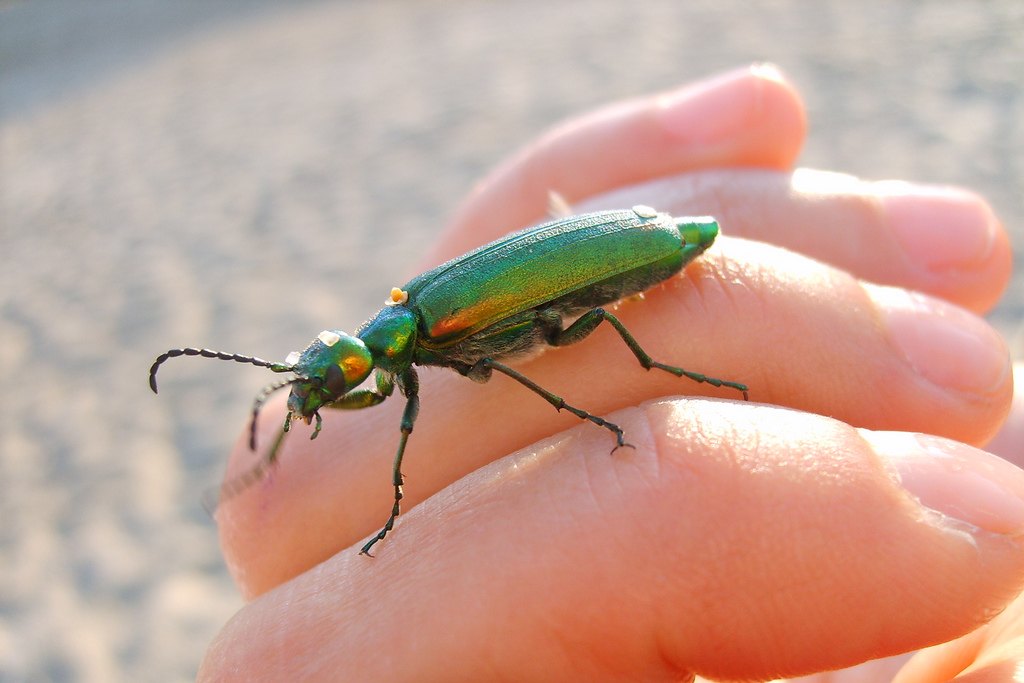
To understand the phenomenon, we must first dismantle the initial layer of the legend. Lytta vesicatoria, commonly known as the Spanish fly or blister beetle, is neither a fly nor exclusively native to Spain. It is a coleopteran (beetle) that inhabits various regions of Europe and North America. Its most distinctive characteristic is its brilliant metallic green coloration, an evolutionary trait common in the animal kingdom to warn predators of the presence of toxins.
These insects produce and store cantharidin as a natural defense mechanism. During mating season, males transfer this toxic substance to females through direct physical contact. The biological function is clear: to coat the eggs with a protective layer that deters predators and protects larval development. In this natural context, cantharidin acts as a potent poison; in humans, its ingestion or systemic absorption triggers a severe inflammatory response.
Clinical history: From ancient medicine to modern dangers
The use of cantharidin has deep roots dating back to classical antiquity. The Greeks and Romans were already aware of its irritating properties, using it to create blisters to extract bodily fluids or “balance the humors,” a medical practice considered obsolete from a contemporary perspective. For centuries, it was marketed as an aphrodisiac in Europe, but its fame grew in parallel with its adverse effects.
Modern pharmacology has clearly identified the mechanism by which this ancient remedy operated: cantharidin intensely irritates mucous membranes. When absorbed or applied locally, it causes inflammation in the genitals and urethra. In men, this can trigger spontaneous, long-lasting, and extremely painful erections, known medically as pathological priapism. What was mistakenly interpreted as an increase in libido or sexual capacity was, in reality, a neurovascular response to the chemical irritation of the tissue.
Today, health regulatory agencies, both in the United States (FDA) and in Spain (AEMPS), do not recognize any therapeutic utility for the oral use of cantharidin. Its sale is restricted or prohibited due to the risks of acute and chronic poisoning. Currently, it is available only under strict medical supervision for specific dermatological treatments, such as the removal of warts or tattoos via controlled chemical ablation.
The modern commercial version: Supplements vs. Poison
Faced with the danger of the pure compound, the market has proliferated with products labeled as “Spanish Fly” that are completely devoid of cantharidin. These dietary supplements usually contain a mixture of ingredients like vitamin C, L-arginine, and harmless botanical extracts (often with artificial flavors). Although L-arginine is an amino acid that participates in the nitric oxide cycle and may play a physiological role in vascular vasodilation, its dosage in these commercial products rarely reaches therapeutic levels to treat clinical erectile dysfunction.
It is crucial to distinguish between the toxic irritation of the real beetle and the placebo or mild effects of these supplements. Anecdotal testimonials circulating on the internet, where users claim miraculous results after consumption, usually lack scientific rigor and can be attributed to psychological factors, lifestyle changes unrelated to the product, or simply the placebo effect.
Harm reduction and critical reading
Given the toxic nature of the original compound, any consideration regarding its use must focus strictly on harm reduction. Accidental ingestion of cantharidin can cause nausea, vomiting, severe abdominal pain, gastrointestinal bleeding, and acute kidney failure. In severe cases, death by overdose has been documented.
For the average consumer looking to improve their sexual health:
- Do not seek products with cantharidin: Avoid any product that does not clearly specify the absence of this toxic compound. The “Spanish Fly” label itself is a risk indicator if the content is not clarified.
- Evaluate supplements with caution: Products based on L-arginine or ginseng may offer mild benefits, but they do not replace medication prescribed for erectile dysfunction (such as PDE5 inhibitors) under medical supervision.
- Awareness of priapism: If painful or long-lasting erections are experienced after consuming any product, seek immediate medical attention. Prolonged priapism can cause permanent damage to erectile tissue.
Advertising that promises immediate results without side effects is usually a red flag for unethical business practices. Sexual health requires a comprehensive approach that considers psychological, hormonal, and vascular factors, not the ingestion of irritants or unregulated supplements.
Conclusion: Awareness and responsibility
The case of Spanish Fly perfectly illustrates the tension between cultural tradition and scientific advancement. What began as a folk remedy based on the observation of biological effects (the chemical defense of insects) has evolved into commercial products that, while safer due to the lack of toxins, remain ineffective for their original promises.
From the perspective of Psiconáutica, it is essential to foster a culture of evidence-based sexual health. The search for quick fixes often leads individuals toward dangerous products or scams. The true “magic” of healthy sex lies in self-knowledge, communication with one’s partner, and access to medical treatments validated by science.
Cantharidin remains a reminder that not all that glitters is gold, nor is everything that promises pleasure safe. Prudence and education are the best tools for navigating this complex terrain, avoiding both historical poisons and new sexual wellness scams.