

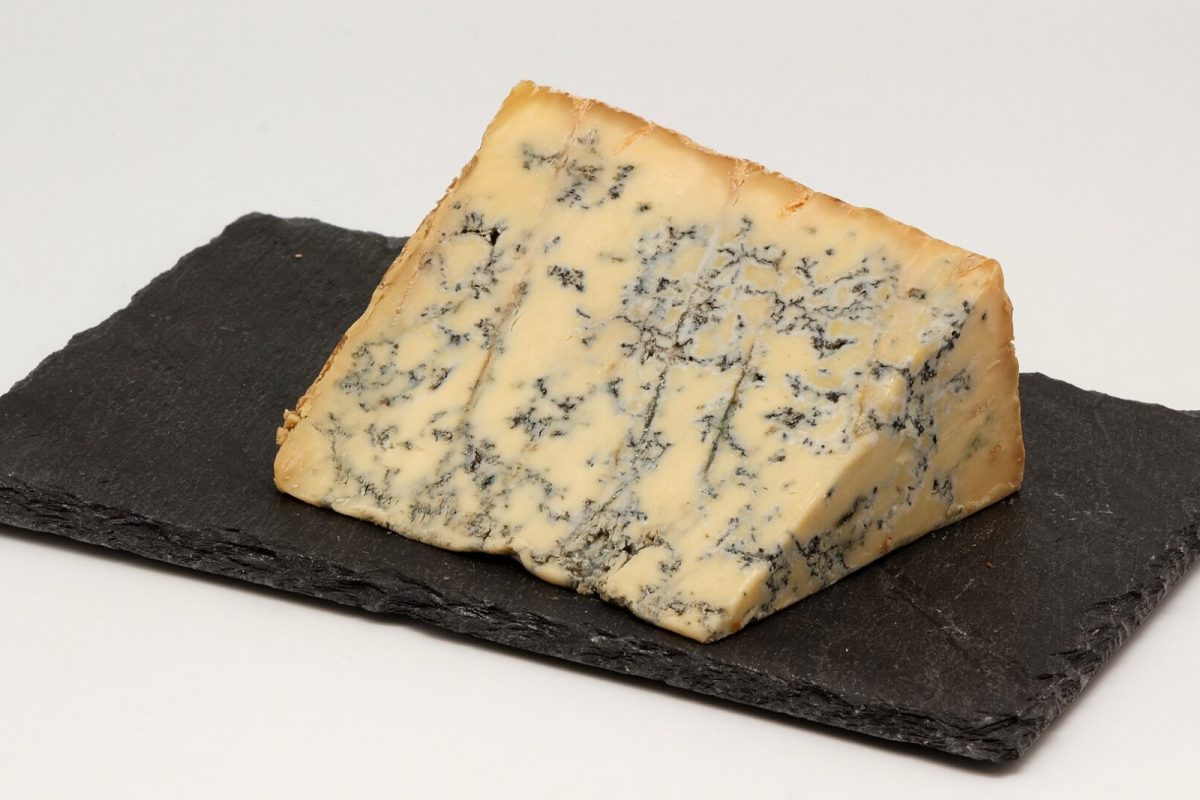
Since time immemorial, the relationship between food consumed before bed and dream quality has been a subject of popular speculation. A belief particularly rooted in certain British cultures suggests that blue cheese, especially varieties like Stilton or Cheshire, acts as a potent catalyst for vivid, strange, and even terrifying dreams. However, is there a scientific basis behind this claim? In this article, we will explore the etymology of the term “nightmare,” the physiological mechanisms that regulate our sleep, and why eating right before bed can alter our dream experience, regardless of the type of food.
In brief
- Etymology: The English term “nightmare” comes from “mare,” a mythological demonic being that oppressed the sleeper’s chest, not from the female horse.
- Digestive physiology: Eating before sleep increases metabolic and brain activity, which can induce more intense dreams, but not necessarily negative ones.
- The cheese myth: There is no scientific evidence specifically linking Stilton to nightmares; effects are attributable to the general caloric and protein load of a late dinner.
- Tryptophan: Cheeses contain tryptophan, a precursor to serotonin and melatonin, which promotes deep sleep and memory consolidation during the REM phase.
The Mythological Origin of Night Terrors
To understand why certain foods are associated with disturbing dreams, it is necessary to unravel the cultural meaning of nightmares. In ancient Anglo-Saxon tradition, the word “nightmare” did not refer to a beast of burden, but to a supernatural entity. The term derives from the Old English mare, which designated an evil spirit capable of sitting on the chests of sleeping people, causing suffocation and terror.
As civilization progressed into the 18th and 19th centuries, these magical beliefs gave way to more rational explanations. Nightmares began to be associated with digestive problems or the physical oppression of sleeping in uncomfortable positions. The idea was simple: if the stomach was full and fighting gravity while the body tried to rest, the brain interpreted that discomfort as a dream-based threat.
In Spanish culture, this connection between heavy digestion and negative dreams has also been present. The popular saying “De grandes cenas están las sepulturas llenas” (Graveyards are full of large dinners) reflects concerns about public health and physical well-being, warning against nocturnal dietary excesses that can lead to chronic sleep problems.
What Happens in Our Brain When Eating Before Bed?
From a neurophysiological perspective, ingesting food right before going to bed activates the digestive system. The body enters a state of metabolic alertness to process nutrients, which involves an increase in gastrointestinal blood flow and greater neuronal activity related to satiety and metabolism.
This process does not necessarily cause “nightmares” in the sense of terror, but it can influence sleep architecture. During REM (Rapid Eye Movement) phases, which is when the most vivid and narrative dreams occur, a brain active due to recent digestion can generate more complex and emotional imagery. If the food contains certain specific amino acids, such as tryptophan, these can be converted into serotonin and melatonin, key hormones for regulating the sleep-wake cycle.
Therefore, if you experience intense dreams after a heavy dinner with cheese or fatty meats, it is likely due to the high caloric and protein load, rather than a magical property of the product. The body is working to maintain homeostatic balance while the brain attempts to process information during rest.
The Case of Blue Cheese: Analysis of Components
Let’s return to the specific myth of Stilton and other blue cheeses. These products are characterized by their content of tryptophan, an essential amino acid that the body uses to synthesize neurotransmitters like serotonin. Serotonin is a precursor to melatonin, the sleep hormone. In theory, consuming foods rich in tryptophan could facilitate falling asleep and improve its quality.
Additionally, blue cheeses usually have a high saturated fat and protein profile. Although fats are necessary for cellular function, excessive intake right before sleep can slow digestion and cause a feeling of fullness or stomach discomfort. This physical discomfort often translates into restless dreams or frequent awakenings during the night.
It is important to note that there are no rigorous scientific studies demonstrating a direct causal relationship between the consumption of blue cheese and the appearance of specific nightmares. Anecdotes about vegetarian crocodiles or soldiers fighting with stuffed animals are, for the most part, a product of collective imagination or confirmation bias, where users remember only the strange dreams after eating cheese.
Harm Reduction and Tips for Healthy Sleep
Although moderate consumption of cheese before bed does not pose a serious health risk, there are simple strategies to optimize the quality of rest:
- Time between eating and sleeping: Try to let at least two or three hours pass after a heavy dinner before going to bed. This allows the digestive system to complete a large part of the absorption process.
- Choosing light foods: If you need a late-night snack, opt for low-calorie and moderate-protein options, such as plain yogurt or a small piece of fruit.
- Proper hydration: Avoid excessive fluids before sleep to prevent nocturnal awakenings due to the need to urinate (nocturia).
- Stress management: Sometimes, restless dreams are not due to food, but to the prior emotional state. Practicing relaxation techniques before bed can mitigate the anxiety that might manifest in sleep.
If you habitually suffer from nightmares or frequent awakenings, it is advisable to consult with a healthcare professional to rule out sleep disorders such as apnea or chronic insomnia. In these cases, adjusting diet and meal times can be part of a comprehensive therapeutic plan.
Conclusion: Between Myth and Reality
Ultimately, the idea that blue cheese causes nightmares is more of a cultural legend than a proven scientific fact. What is true is that eating right before bed can alter sleep quality due to the associated digestive and metabolic activity. Vivid or strange dreams are normal in healthy people, especially during intense REM phases.
Psiconáutica invites its readers to maintain a critical attitude toward popular myths about psychoactive substances and food. Scientific curiosity should guide us toward understanding our biological processes, not toward unfounded fear or superstition. By understanding how our body and brain function during sleep, we can make informed decisions to improve our quality of life and emotional well-being.
Remember: good rest begins with healthy habits, a balanced diet, and an environment conducive to relaxation. May your dreams be peaceful, free of nightmares, and full of inner peace.


