

In brief
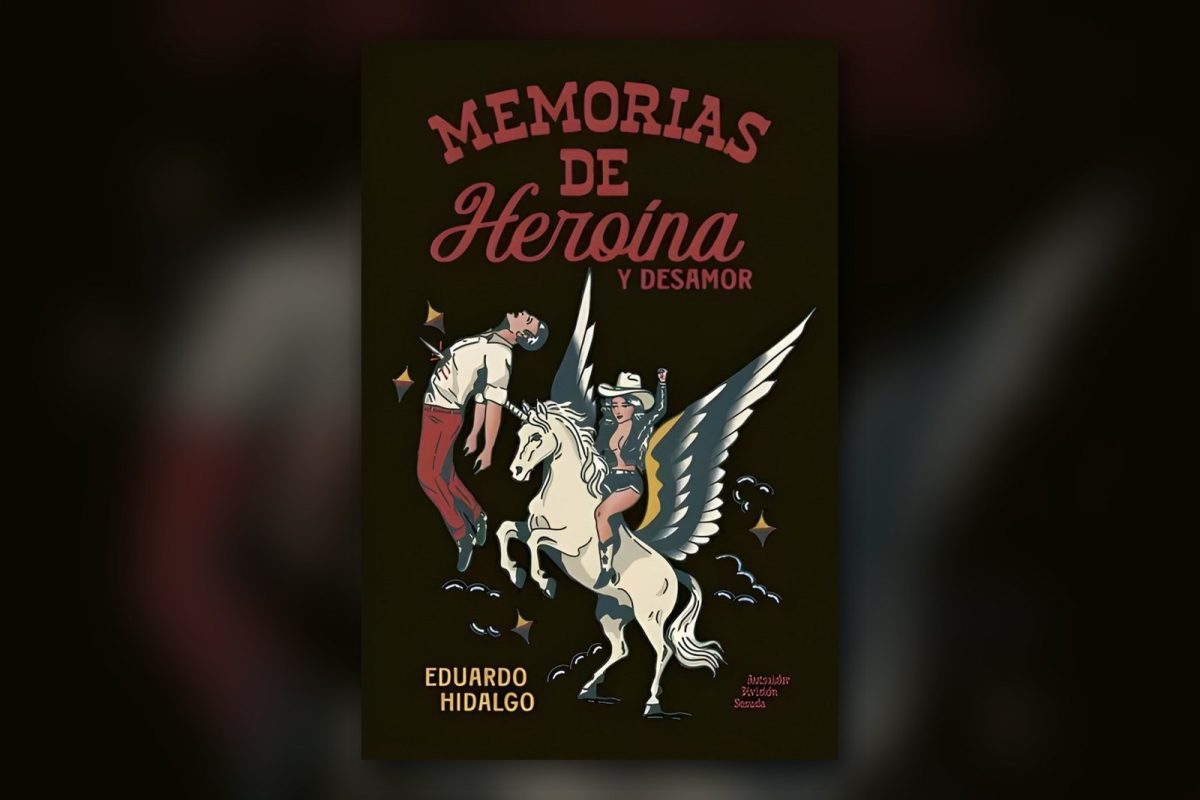
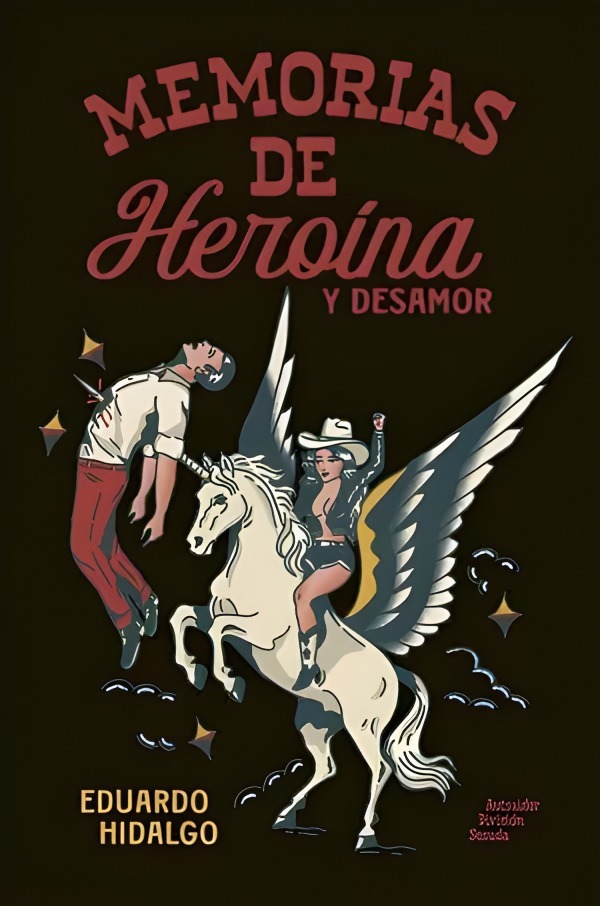
- Memorias de heroína y desamor (Heroin and Heartbreak) is the autobiography of Eduardo Hidalgo Downing, a psychologist and drug dependency expert, published by Autsaider Cómics in 2026.
- It recounts nearly forty years of heroin use from a perspective rarely seen in literature: that of a user with an education, a career, a partner, and children, who feels neither regret nor shame.
- The book challenges the monolithic “junkie” narrative and defends individual liberty, provided no harm is done to others.
- It is endorsed by José Carlos Bouso, Juan Carlos Usó, Fernando Caudevilla, and Fidel Moreno.
There are books about heroin that read like a warning and others that read like a confession. Memorias de heroína y desamor, by Eduardo Hidalgo Downing, is neither. It is the autobiography of someone who has been using heroin for nearly forty years and who, according to the publisher Autsaider Cómics, has never stolen his mother’s TV, contracted HIV, robbed banks, or seen the inside of a prison. He has had girlfriends, children, university degrees, and jobs. And he has no intention of quitting, nor does he feel regret or shame.
That premise alone is enough to understand why the book makes people uncomfortable. In the Spanish imagination, heroin remains frozen in the 1980s: devastated neighborhoods, syringes in parks, AIDS, prison, and death. That tragedy was real, and Hidalgo does not dispute it. What he disputes is that it is the only possible story.
Who is Eduardo Hidalgo?
Eduardo Hidalgo is a licensed psychologist, an expert in drug dependency, and a founder of Energy Control in Madrid, the harm reduction project that has spent years providing information to people who use drugs at parties and festivals. He possesses a rare dual perspective: that of a professional familiar with technical literature and that of a user who has lived what he describes. The book moves between these two worlds, with a tone the publisher compares to gonzo journalism and 19th-century adventure novels—only here, the exotic landscapes are right around the corner.
What is Heroin and Heartbreak about?
Overdoses, sex, criminal law, fully stocked medicine cabinets, mind-blowing experiences, close calls with death, and starting all over again. The material is heavy, but the author doesn’t use it to shock or to seek redemption. He uses it to defend a simple idea: every adult has the right to decide what happens to their own body, with one condition. In Hidalgo’s words, you cannot do whatever you want with the lives of others, nor can your consumption affect their well-being, integrity, or freedom.
The book comes recommended by four well-known names in Spanish-language drug culture: researcher José Carlos Bouso, historian Juan Carlos Usó, physician Fernando Caudevilla—known as Doctor X—and journalist Fidel Moreno, who encouraged Hidalgo to write it.
Heroin, the cursed drug
Hidalgo maintains that if any substance has earned the status of “cursed” in our recent history, “it is not cannabis, it is not MDMA, it is not amphetamines or psychedelics, not even cocaine, but heroin.” The reason, he says, lies in what it is, what we have done with it, and the labels the entire society has burdened it with.
That last part is what the book calls into question. We have already reviewed at Psiconáutica how heroin in the 21st century remains trapped between historical stigma and scientific evidence, and how programs like heroin-assisted therapy or methadone rely on a very similar idea: a good portion of the harm comes from the context in which it is consumed, not just the substance itself.
The junkie narrative and the user who isn’t in the movies
Hidalgo does not deny the classic narrative. He describes it as repetitive drivel, but truthful and not at all exaggerated, because often there is no purgatory: there is paradise, hell, and a final stop. His objection is different. Presenting those stories as the only ones, he writes, “is a distortion of monumental proportions.” Normal lives don’t interest anyone, but they exist.
The idea has a long tradition in research. In 1984, Harvard psychiatrist Norman Zinberg published Drug, Set, and Setting, a study on people who used heroin and other opioids in a controlled manner for years, thanks to rules and rituals that limited their consumption. That work, which popularized the concept of set and setting now applied to psychedelics, showed that the integrated user is not a myth, even if they rarely appear in the media. Hidalgo’s book gives a literary voice to that profile, with all its contradictions.
This line connects to the anti-prohibitionist tradition represented in Spain by Antonio Escohotado: the problem is not just the drug, but the legal and moral framework that pushes those who use it into the shadows. Hidalgo puts it bluntly: the prohibitionist narrative, he says, is biased and unscientific and does not hold up against the data.
What it leaves for harm reduction
A memoir is not a manual, and this one does not pretend to be. But its approach aligns with what harm reduction advocates: talking about drugs from the reality of those who use them, without guilt and without false promises. For those who use opioids, the practical information remains the same and is worth repeating calmly: do not mix with other depressants like alcohol or benzodiazepines, be especially cautious after a period of abstinence because tolerance drops, do not use alone, keep naloxone on hand, and test substances whenever possible—especially now that synthetic opioids are appearing as adulterants. We expand on this in our harm reduction and responsible use guide.
Is it worth reading?
If you are looking for a story of downfall and redemption, no. If you are looking for an honest testimony, with black humor and no moralizing, that forces you to rethink what you think you know about heroin and those who use it, yes. Memorias de heroína y desamor is an uncomfortable book, written by someone who knows the subject from the clinic and from the street, and it fits into the best tradition of Spanish-language drug literature.
Frequently Asked Questions
Who wrote Memorias de heroína y desamor?
Eduardo Hidalgo Downing, a psychologist, expert in drug dependency, and founder of Energy Control in Madrid.
Which publisher is releasing the book?
Autsaider Cómics, as part of their División Sesuda collection. It is 392 pages long, and its ISBN is 979-13-991216-4-3.
Is it a novel?
No. It is an autobiography based on real events, written in the first person with a tone close to gonzo journalism.
Does it promote heroin use?
No. The author does not encourage anyone to use, nor is he seeking redemption. He defends the individual liberty of adults, provided no harm is done to others, and questions the monolithic narrative surrounding heroin.
Book Details
- Title: Memorias de heroína y desamor
- Author: Eduardo Hidalgo Downing
- Publisher: Autsaider Cómics, División Sesuda collection (2026)
- Length: 392 pages, paperback with flaps, 14 x 21.5 cm (approx. 5.5 x 8.5 inches)
- ISBN: 979-13-991216-4-3
Where to buy it
Educational content written from a harm reduction perspective and with respect for individual freedom. It is not a substitute for advice from a healthcare professional and is not intended to encourage or condemn any drug use.