

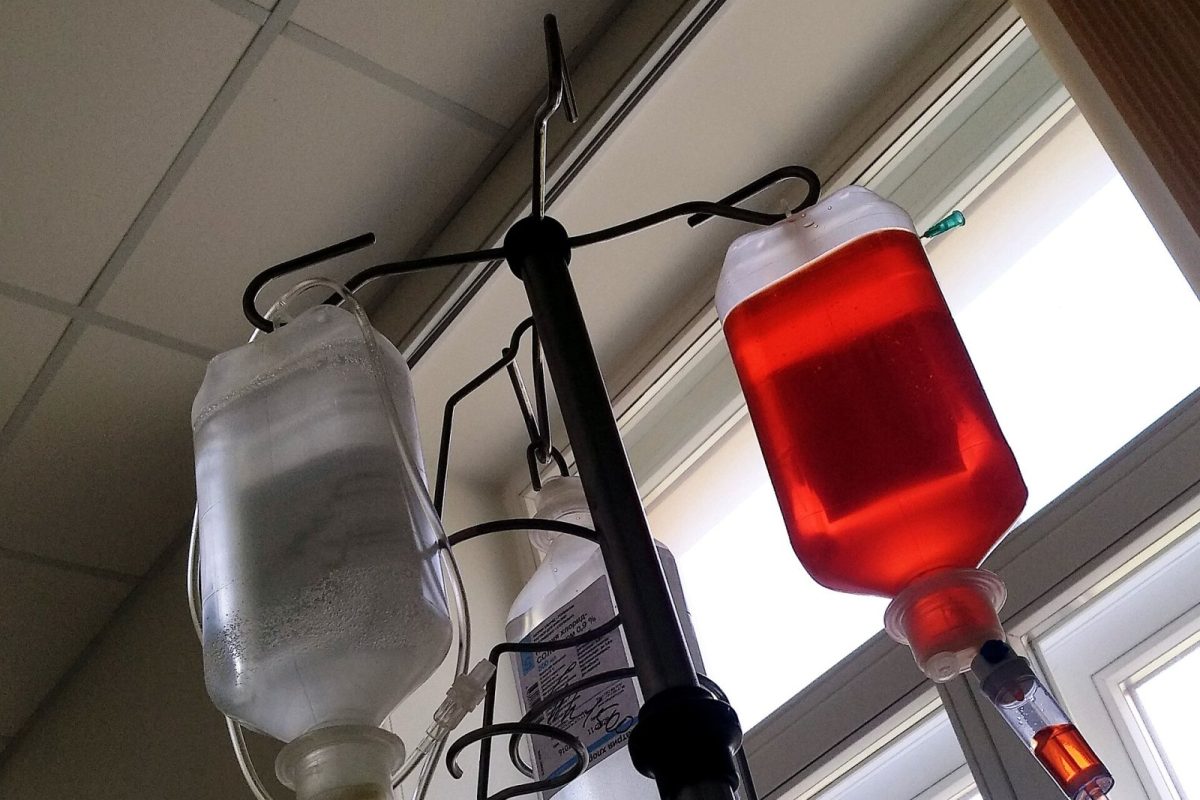
Modern oncological treatment represents one of the most significant advances in contemporary medicine, allowing millions of patients to fight diseases that were once death sentences. However, the efficacy of therapies like chemotherapy should not be measured solely by their ability to eliminate tumor cells, but also by the patient’s quality of life during the process. One of the most complex challenges in this field is the management of chemotherapy-induced nausea and vomiting (CINV), symptoms that can be as debilitating as the disease itself.
In brief
- Efficacy of standard drugs: 5-HT3 receptor antagonists and aprepitant are the first line of defense, but they do not always control symptoms entirely.
- Role of the endocannabinoid system: Historical clinical observation and recent studies support the use of cannabinoids to mitigate nausea, vomiting, and taste alterations (dysgeusia).
- Critical route of administration: Inhalation via vaporizers offers more predictable absorption than erratic oral routes or traditional smoking.
- Therapeutic individualization: There is no single dose; factors such as weight, sex, and previous experience with cannabinoids modulate the individual response.
- Harm reduction approach: Cannabis does not cure cancer or alter its progression, but it can be a safe adjuvant if integrated into a supervised medical plan.
Pathophysiology of chemotherapy-induced distress
To understand the utility of any therapeutic intervention, it is necessary to understand the nature of the problem. Chemotherapy acts by attacking rapidly dividing cells—both cancerous and healthy—affecting tissues with high cell turnover rates such as the gastrointestinal epithelium and vestibular nerves.
Nausea is not merely a mechanical reflex; it involves a complex neurochemical interaction. Chemotherapeutic agents stimulate the release of serotonin in the nerve endings of the gut, which activates 5-HT3 receptors that send signals to the chemoreceptor trigger zone (CTZ) in the brain. Simultaneously, they can activate vestibular areas related to balance.
In addition to physical nausea, patients frequently experience:
- Dysgeusia: A taste alteration that perceives metallic or bitter flavors in harmless foods.
- Chemical anorexia: Sudden loss of appetite and aversion to food.
- Conditioned retching: Psychological responses where the mere thought of treatment triggers physical symptoms, a phenomenon known as anticipatory vomiting.
When these symptoms persist or are severe, they can compromise adherence to oncological treatment, putting the efficacy of the primary therapy at risk. Therefore, symptomatic management is a fundamental pillar of palliative and supportive oncology.
Evidence on synthetic cannabinoids versus plant extracts
Clinical history offers anecdotal testimonies from patients who found relief using cannabis. However, for decades, this observation was relegated by regulatory barriers and cultural prejudices. The situation changed drastically after the characterization of the Endocannabinoid System (ECS) in the nineties.
The discovery of cannabinoid receptors (CB1 and CB2) distributed throughout the body, especially in brain areas that regulate appetite and nausea, opened a new scientific door. This led to the development of selective synthetic agonists.
Nabilone and dronabinol: The validated pharmacological path
Nabilone is a synthetic analog of THC (tetrahydrocannabinol) that has demonstrated clinical efficacy in the treatment of refractory nausea. In fact, it is approved by regulatory agencies such as the FDA and the EMA for this specific purpose. Controlled studies have shown that it can be superior to placebo and, in some cases, comparable or complementary to 5-HT3 antagonists.
Dronabinol (synthetic THC) shares similar mechanisms, acting on CB1 receptors to modulate vomiting signaling. The combined THC and CBD oromucosal spray has also shown clinical promise, leveraging the potential synergistic or “entourage effect” between both compounds.
What do we know about the plants?
Although synthetic cannabinoids have a defined chemical purity, it is logical to infer that extracts from the Cannabis sativa plant may offer similar benefits. The complexity of the full phytochemical profile suggests that the therapeutic effect could be broader or different from that of isolated compounds.
However, there is a significant barrier: standardization. A plant grown in one environment may have a radically different cannabinoid profile than another. This introduces variability in the actual dose the patient receives, which is critical in oncology where therapeutic margins are narrow.
The route of administration: A determining factor
In the context of acute symptomatic management of post-chemotherapy nausea, pharmacokinetics is crucial. We need a rapid onset of action and an adequate duration to cover the most critical periods.
Inhalation: Vaporization versus combustion
The oral route presents significant problems: erratic absorption, first-pass hepatic metabolism that reduces bioavailability (the body destroys much of the drug before it reaches the bloodstream), and variable duration.
Traditional smoking carries additional risks due to the inhalation of combustion smoke, toxic particles, and heavy metals that can irritate the airways and the cardiovascular system. For a patient immunocompromised by chemotherapy, this is counterproductive.
Vaporization emerges as a technically superior alternative in this specific scenario. By heating the plant to controlled temperatures (generally between 180°C and 230°C, or 356°F and 446°F), active cannabinoids are released without burning the plant material, avoiding the generation of carcinogens associated with smoke. This allows for almost immediate pulmonary absorption, reaching plasma peaks faster than the oral route.
It is important to note that if a patient has no previous experience with this substance or has never inhaled anything, introducing this method requires supervision and education on safe vaporization devices.
Dosage and chronotherapy: A precision challenge
Unlike chemotherapy, where doses are calculated with exact milligrams per kilogram of body weight, cannabis requires a much more empirical dosage. Clinical experience suggests that for acute nausea control in the first few days of the treatment cycle, multiple administrations may be necessary.
Individual factors play a leading role:
- Body weight and metabolic composition: These affect the rate of cannabinoid elimination.
- Previous tolerance: Patients who used cannabis before diagnosis may require higher doses to achieve the same therapeutic effect due to tolerance developed in CB1 receptors.
- Individual sensitivity: The response is highly variable between people.
There is no universal protocol. What works for one patient may be ineffective or even cause adverse effects (such as severe dizziness, excessive sedation, or paradoxical anxiety) in another. Therefore, dose titration must be performed with extreme caution and under medical supervision.
Harm reduction: Essential considerations
The use of cannabis in oncology patients is not without risks. It is essential to distinguish between symptomatic relief and modification of the course of the current disease. There is no evidence to suggest that cannabinoids directly accelerate or slow tumor growth, but their interaction with other drugs is an active area of study.
Drug interactions: Cannabis induces hepatic enzymes (cytochrome P450), which can alter the metabolism of other medications. If the patient is taking anticoagulants, antidepressants, or immunosuppressants, it is vital to consult with the oncologist to adjust doses and avoid cumulative toxicity.
Adverse effects: Dizziness (orthostatic hypotension), tachycardia, and sedation are common side effects. In a patient weakened by chemotherapy, these symptoms can increase the risk of falls or respiratory complications.
It is not a cure: It is imperative to emphasize that cannabis does not replace chemotherapy, radiotherapy, or immunotherapy. Its role is purely palliative and adjuvant to improve quality of life during the primary treatment.
Editorial closing
Oncological medicine is moving toward a more holistic model, where the patient’s well-being is not sacrificed on the altar of pure biological efficacy. Cannabis, with its multiple active compounds and its action on key neurological systems, offers a valuable tool to mitigate the side effects that cause so much distress to families.
At Psiconáutica, we understand that mental and physical health are inseparable in the disease process. Uncontrolled nausea generates anxiety, involuntary weight loss, and deterioration of nutritional status, which negatively affects the long-term prognosis.
Prudence is our compass. Faced with the desperation to find relief, the answer must be informed: explore scientifically validated options such as synthetic cannabinoids or standardized extracts administered via safe routes (vaporization), always integrated into the oncologist’s therapeutic plan.
Critical awareness allows us to navigate between scientific evidence and personal experiences, always seeking the balance that allows patients like our readers to face their struggle with greater dignity and comfort. Modern pharmacology has much to learn from ancestral wisdom, but only if it is applied with rigor, safety, and respect for life.