

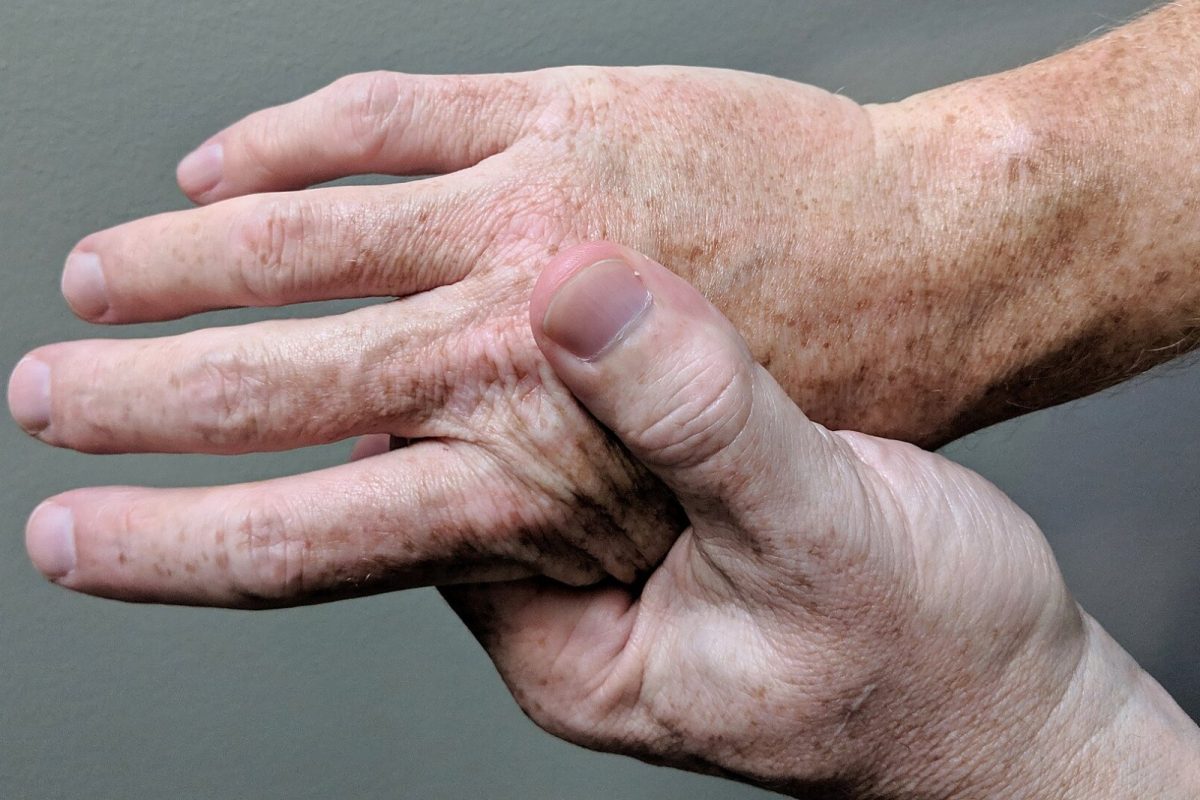
Rheumatoid arthritis represents one of the most complex challenges in contemporary internal medicine. It is a chronic autoimmune disease where the immune system, designed to defend the body, loses its ability to discriminate and attacks healthy joints. This dysfunction causes persistent inflammation, intense pain, and, in many cases, irreversible structural damage if not managed properly. Given this clinical landscape, a recurring question arises among patients and professionals: Can cannabis offer significant symptomatic relief? The answer requires a rigorous distinction between personal anecdotes, biological hypotheses, and data derived from controlled clinical trials.
In brief
- Biological mechanisms: The endocannabinoid system regulates immunological processes and inflammation in the joints.
- Clinical evidence: Recent studies suggest that standardized extracts can improve pain and sleep quality without altering the efficacy of conventional drugs.
- Risk reduction: Cannabis does not replace standard medical treatment; it acts as an adjuvant therapy under strict professional supervision.
- Safe administration: Sublingual or controlled inhaled routes present different safety profiles than direct combustion, minimizing lung damage.
- Legal and ethical context: In Spain, therapeutic use is framed by specific regulations that prioritize public health over unregulated recreational access.
Pathophysiology of Rheumatoid Arthritis: An Internal Attack
To understand the potential utility of cannabis, it is imperative to understand what happens at the cellular level in rheumatoid arthritis. This condition is not simply joint “wear and tear” as was once believed; it is an uncontrolled response of the immune system. T and B lymphocytes attack the synovial tissue that lines the joints, releasing pro-inflammatory cytokines such as tumor necrosis factor-alpha (TNF-α) and interleukin-6 (IL-6). These molecules cause the destruction of cartilage and the underlying bone.
The most recognizable clinical manifestations include morning stiffness, which usually lasts more than half an hour, and inflammation that can radiate to other vital organs such as the lungs or the heart. The disease occurs in “flares,” where the intensity of symptoms fluctuates unpredictably based on genetic and environmental factors.
The Endocannabinoid System: The Forgotten Regulator
In 2008, researchers first identified the presence of the endocannabinoid system in the synovial tissues of patients with rheumatoid arthritis. This discovery was crucial because it revealed that the human body possesses its own cannabinoid receptors (CB1 and CB2) distributed widely, not only in the brain but also in immune cells and peripheral nerves.
CB2 receptors are particularly relevant in this context, as they are highly expressed in the cells of the immune system. Their primary function is to modulate the inflammatory response: when activated, they help reduce the release of harmful cytokines and promote an anti-inflammatory state. Endogenous cannabinoids, such as anandamide, act naturally on these receptors to maintain homeostatic balance.
Scientific theory suggests that in patients with rheumatoid arthritis, this regulatory system could be dysfunctional or overloaded. The introduction of exogenous cannabinoids (derived from the plant) could theoretically help restore that balance, acting as a “brake” on excessive inflammation.
Review of Clinical Trials and Recent Data
Despite the initial enthusiasm for the biological mechanisms, it is essential to be cautious with expectations. Clinical evidence is not as definitive as one might hope, but it is promising in specific areas.
A relevant study evaluated the efficacy of a standardized cannabis extract administered sublingually in patients with chronic pain associated with rheumatoid arthritis. In this double-blind, placebo-controlled design, 58 participants received the treatment for several weeks. The results indicated a statistically significant improvement in both pain intensity and nighttime sleep quality.
It is crucial to highlight that these benefits were observed without compromising the efficacy of conventional drugs (such as methotrexate or biologics). Cannabis did not “cure” the underlying disease, but it did mitigate bothersome symptoms. Currently, research is focused on determining whether cannabinoids can slow the progression of long-term joint damage, a question that still awaits a definitive answer.
Harm Reduction Strategies
The use of cannabis for therapeutic purposes carries inherent risks that must be actively managed. The priority at Psiconáutica.org is always patient safety.
1. Do not replace standard treatment
One should never abandon prescribed rheumatological medication to use cannabis. This could lead to a serious health crisis, loss of mobility, and irreversible joint damage. The correct approach is combination therapy: maintain anti-inflammatory drugs and add cannabinoids only if the physician deems it appropriate.
2. Route of administration
The way cannabis is consumed directly influences its safety profile. Inhalation via combustion (smoking) exposes the lungs to toxins, smoke, and carcinogens, which is counterproductive for patients at risk of pulmonary involvement from systemic disease. It is recommended to prioritize standardized oral formulations or sublingual extracts that avoid respiratory damage and allow for more precise dosing.
3. Side effects
Cannabinoids can cause dizziness, dry mouth, increased appetite, or short-term memory impairment. In high doses, some users experience paradoxical anxiety or paranoia. It is essential to start with low doses and increase gradually (titration) to identify the individual tolerance threshold.
4. Drug interactions
Certain rheumatic drugs can interact with cannabinoids, potentiating or diminishing their effects. For example, some non-steroidal anti-inflammatory drugs (NSAIDs) might have their efficacy altered. It is imperative to consult the attending physician before introducing any changes to medication.
Editorial Conclusion: A Path of Awareness and Prudence
The relationship between cannabis and rheumatoid arthritis is fertile ground for scientific research, but also for clinical caution. Current data support its use as an adjuvant tool for pain management and improved rest, provided it is integrated into a comprehensive therapeutic plan supervised by healthcare professionals.
At Psiconáutica.org, we understand that mental and physical health are intrinsically linked. Chronic stress derived from joint pain can exacerbate inflammation, creating a vicious cycle where cannabis could break the loop by improving quality of life and sleep. However, this is not a panacea or a magic solution.
Modern medicine is moving toward integrative models that value both synthetic drugs and plant-based therapies, always under a rigorous ethical and scientific framework. Prudence, evidence, and respect for the complexity of the human organism must guide every therapeutic decision. Remember that behind every statistic is a person with unique needs, and what works for one may not work for another.
Research continues, regulations evolve, and the scientific community seeks clearer answers. In the meantime, the informed patient is the best equipped to make responsible decisions in collaboration with their medical team.
References
- Blake DR, Robson P, Ho M, Jubb RW, McCabe CS. Preliminary assessment of the efficacy, tolerability and safety of a cannabis-based medicine (Sativex) in the treatment of pain caused by rheumatoid arthritis. Rheumatology (Oxford), 2006.
- Richardson D, Pearson RG, Kurian N, et al. Characterisation of the cannabinoid receptor system in synovial tissue and fluid in patients with osteoarthritis and rheumatoid arthritis. Arthritis Research & Therapy, 2008.
- Lowin T, Schneider M, Pongratz G. Joints for joints: cannabinoids in the treatment of rheumatoid arthritis. Current Opinion in Rheumatology, 2019.
Educational content written from a harm reduction perspective and with respect for individual freedom. It is not a substitute for advice from a healthcare professional and is not intended to encourage or condemn any drug use.