

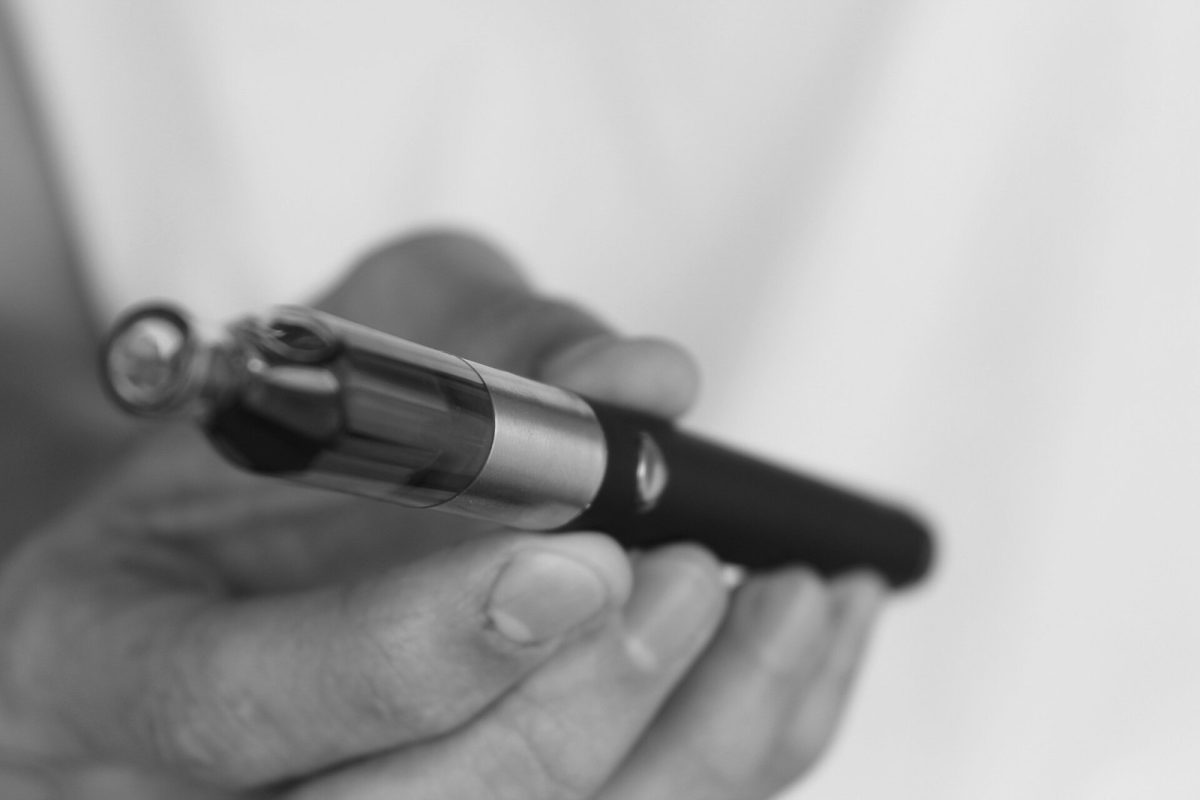
The rapid expansion of the electronic cigarette has outpaced the speed of scientific research, sparking a complex debate that transcends the realm of tobacco to intersect directly with practices related to cannabis use. While in the United Kingdom the number of users grew from 700,000 to 2.5 million between 2012 and 2015, the situation in Spain presents more modest data: a recent survey indicates that 10.3% of the population has tried these devices, with only a small percentage being regular current users.
In brief
- Mechanism and composition: E-cigs vaporize solutions of propylene glycol and glycerin at temperatures between 150 and 200ºC (302–392°F), avoiding combustion.
- Key theoretical advantage: Absence of toxic combustion products present in conventional tobacco smoke (more than 400 carcinogenic substances).
- Medical debate: Tension between the restrictive stance of organizations like the CNPT and harm reduction data supported by the Cochrane Collaboration.
- European regulation: Directive 2014/40/EU establishes strict limits on nicotine, child safety, and labeling to protect public health.
- Psiconáutica perspective: A sober, evidence-based approach: vaping as a potential harm reduction tool against active smoking.
Technical foundations and differences from cannabis vaporization
To understand the relevance of the device, it is necessary to distinguish its basic components: a tank for the liquid, an atomizer, and a heat source. Although its physical principle—convection vaporization—resembles the operation of cannabis vaporizers, there are substantial differences in performance and technological development.
The goal of the electronic cigarette is to mimic the sensory experience of conventional tobacco using a liquid solution that combines propylene glycol, glycerin, flavorings, and nicotine. The fundamental distinction lies in the thermal process: while tobacco smoke is generated at 600ºC (1,112°F), releasing massive amounts of toxins, e-cig vaporization occurs at much lower temperatures (150–200ºC). This eliminates the formation of tar and drastically reduces the inhaled toxic load.
Economic and social factors
Beyond toxicology, other factors explain their popularity. The initial cost is moderate (between 20 and 30 euros), with economical refills that can last for weeks. Furthermore, problems associated with traditional consumption, such as persistent odors in the environment, burns, or residue on surfaces, are eliminated. However, their use is restricted in healthcare centers, administrative buildings, and public transport in Spain, limiting their public presence compared to tobacco.
The debate on long-term safety
One of the most recurring arguments among detractors is the lack of long-term studies. The heterogeneity of the market and easy access via the internet make it difficult to guarantee the total absence of toxic particles in all available products. Likewise, their efficacy as a tool for quitting smoking remains a subject of active research.
Concern regarding use by minors is another critical point. Health authorities monitor the risk of the “gateway effect,” where e-cig use could potentially facilitate the later initiation of conventional smoking, although data on this direct correlation remains under study.
Regulation and institutional stance
The European Union has responded with Directive 2014/40/EU, which imposes rigorous quality and safety requirements. Labeling must be clear, health warnings visible, and it is prohibited to market samples with nicotine concentrations higher than 20 mg/mL. These measures seek to protect consumers and prevent tampering by minors through appropriate locking mechanisms.
However, organizations such as the National Committee for the Prevention of Smoking (CNPT) adopted a radically opposite stance in 2014, advocating for a total ban. Their statement focused exclusively on potential risks and omitted studies suggesting comparative benefits over conventional tobacco.
The scientific dichotomy
It is crucial to distinguish between opinions based on fear and empirical evidence. The Cochrane Collaboration, a world-leading organization, indicates that while more studies are needed, there is data supporting the efficacy of the e-cig for quitting smoking in some cases. On the other hand, research has found an absence of significant toxic substances in vaping liquids and confirms that vapor is less harmful than smoke.
Part of the medical resistance could stem from commercial interests related to traditional pharmacological drugs (gums, patches) or an aversion to a paradigm shift toward harm reduction. It is reasonable to question whether this opposition arises from the fear of losing a therapeutic monopoly or from an objective assessment of the risks.
Harm reduction: a pragmatic approach
From a public health perspective, smoking represents the most significant cause of preventable death in developed countries. Any measure that reduces this harm is valuable. The hypothesis that vaping is less harmful than smoking tobacco makes logical sense and is supported by comparative analyses of exhaled analytes.
It is essential to clarify that no miraculous cures are promised, nor are recreational dosing instructions offered. The approach must be prudent: recognize the risks of nicotine (addictive and toxic in high doses) but value the device as a less harmful alternative for those who wish to reduce their consumption or quit tobacco.
Funding for independent research is vital, as pharmaceutical laboratories have opposing incentives. Exploring all perspectives without commercial bias is the only way to obtain solid conclusions.
Editorial closing: toward a culture of knowledge
At Psiconáutica.org, we understand that access to truthful and contextualized information is the first step toward making informed decisions about our health. The electronic cigarette is neither an innocuous product nor an imminent threat; it is a complex tool whose impact depends on responsible use and adequate regulation.
The next installment will delve into the specific aspects linking the e-cig to cannabis use, addressing everything from the thermodynamics of the devices to the legal implications. In the meantime, we invite our readers to maintain a critical stance: value the available scientific evidence, distinguish between hypotheses and proven facts, and always prioritize harm reduction in an environment where mental and physical health are inseparable.
Science advances, but it requires patience. Let us not wait for the damage to be irreversible to accept what the evidence already shows us: vaping is a less toxic alternative to conventional tobacco, provided it is used with prudence and in accordance with current regulations.