

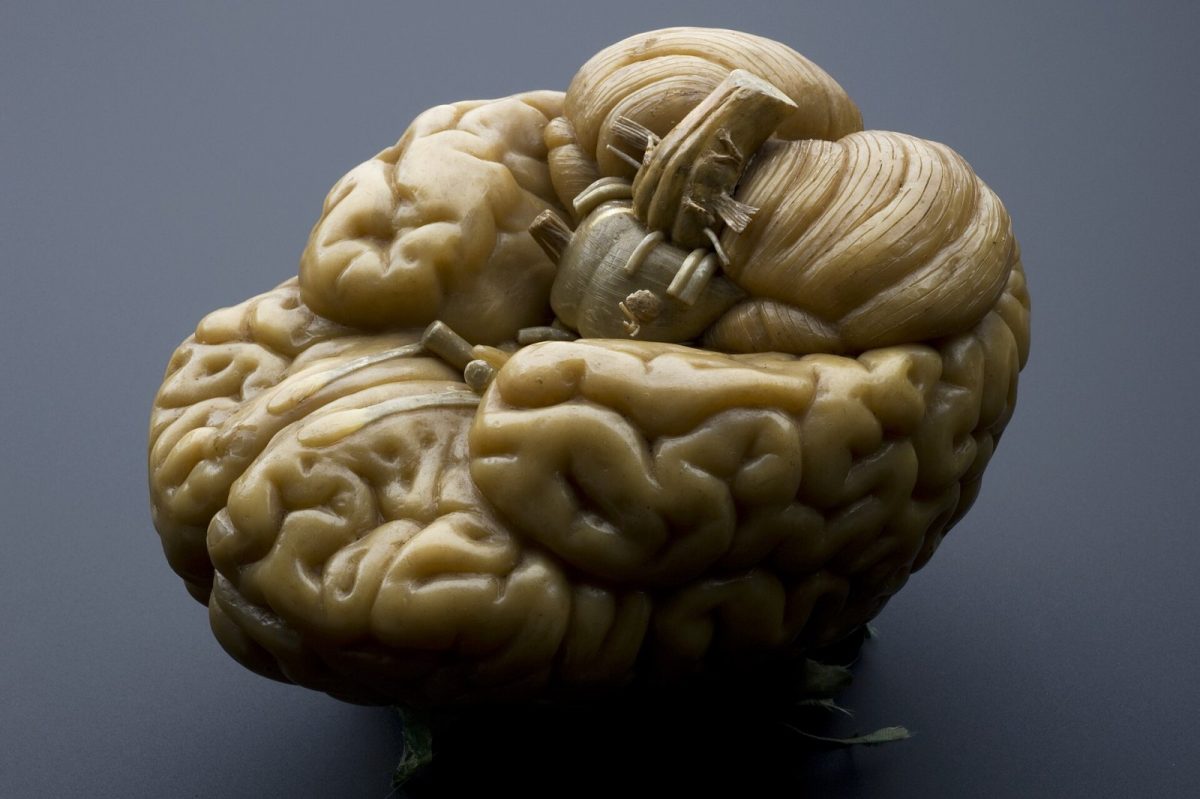
Neurodegenerative diseases represent one of the most complex challenges in modern medicine. Unlike infectious or surgical pathologies, where technology has enabled spectacular advances over the last century, the field of neuronal deterioration continues to present significant limitations regarding curative treatments. However, research into the endocannabinoid system is opening new perspectives for symptom management and cellular protection.
In brief
- Common mechanism: Neuronal destruction in these pathologies often stems from excessive inflammatory processes and cellular oxidation.
- Role of CBD: Cannabidiol has demonstrated neuroprotective effects in animal models, reducing the formation of amyloid plaques and improving cognitive functions.
- Clinical evidence: Multiple sclerosis has the most solid backing; in Parkinson’s and Alzheimer’s, evidence mostly comes from preclinical studies or small trials.
- Specific risks: In older patients, psychoactive effects and hypotension can increase the risk of falls, favoring the use of non-psychoactive cannabinoids.
The endocannabinoid system: a central axis in neuroprotection
Although the exact causes of pathologies like multiple sclerosis (MS), Alzheimer’s, or Parkinson’s are multifactorial and often unknown, the underlying mechanisms share common characteristics. Chronic inflammation and oxidative stress act as drivers of neuronal damage, while the regenerative capacity of the nervous system is compromised.
The endocannabinoid system emerges here as a crucial physiological regulator. Endogenous cannabinoids, along with certain plant compounds (such as cannabidiol), interact directly with brain receptors to modulate vital metabolic processes. Current science confirms their ability to influence glutamate metabolism, enhance antioxidant enzymes, and facilitate neuronal repair.
This direct action in the brain is a distinct advantage over other drugs that must cross less permeable blood-brain barriers. While data for MS is already consolidated after years of study, expectations for other diseases are currently based on basic research and promising anecdotal clinical cases.
Alzheimer’s disease: amyloid plaques and memory
Alzheimer’s disease is the most prevalent chronic neurodegenerative pathology worldwide. Its clinical manifestation involves a progressive loss of recent memory, learning capacity, and higher cognitive functions, frequently accompanied by behavioral changes such as confusion or language alterations.
At the cellular level, the pathognomonic finding is beta-amyloid plaques. Research conducted in Sweden demonstrated that natural endocannabinoids and certain plant cannabinoids could inhibit the formation of these toxic structures. Subsequent studies with animal models confirmed that treatment with cannabidiol (CBD) significantly improved memory, object recognition, and social skills in the short and long term.
It is important to clarify that these results were obtained in genetically modified mice. Although the findings are hopeful for future therapeutic applications, translating these conclusions to human clinical practice still requires more time for validation.
Parkinson’s: tremors, rigidity, and sleep
Parkinson’s disease affects the substantia nigra of the brain, causing a decrease in dopamine levels. Classic motor symptoms include slowness, muscle rigidity, and tremor. Historically, some patients have reported relief through the use of smoked cannabis, although controlled studies with oral extracts did not always find significant differences compared to a placebo regarding mobility.
Research has found a specific niche for CBD in this disorder: REM sleep behavior disorders. Many patients suffer from involuntary movements during sleep and recurring nightmares. Clinical cases have documented that high doses of CBD can improve the quality of rest without altering primary motor functions.
Furthermore, studies in cell cultures suggest that CBD could offer protection against specific toxins associated with Parkinson’s and promote axonal regeneration. This opens the door to developing drugs based on this system to slow the progression of the disease, beyond simple symptomatic palliation.
Harm reduction and practical considerations
Despite the therapeutic potential, it is imperative to address current limitations. Cannabis is not a universal solution, nor is it free of risks, especially in the geriatric population that is typically affected by these pathologies.
In patients with severe cognitive or affective impairment, the psychological effects of cannabis can be unpredictable. Likewise, the risk of hypotension (low blood pressure) and impaired balance are critical factors: a fall in an elderly patient can have serious consequences. Therefore, extreme caution is recommended.
Cannabidiol (CBD), being non-psychoactive and having a favorable safety profile, presents clear advantages over other cannabinoids in this clinical context. However, any decision regarding therapeutic use must be made under professional medical supervision, always evaluating the individual risk-benefit ratio.
Editorial closing
Science is advancing step by step toward a deeper understanding of our own biological system. The study of cannabis in the context of neurodegenerative diseases does not seek to promise miraculous cures, but rather to offer additional tools to improve quality of life and slow down pathological processes.
At Psiconáutica, we understand that mental and physical health are intrinsically linked. Awareness of pharmacological mechanisms allows us to make informed decisions, moving away from myth and toward evidence. While research continues, the focus must always be on prudence, respect for human physiology, and the constant search for solutions that integrate body, mind, and environment.


