

In brief
- Bwiti is a spiritual tradition from Gabon that uses the root of the iboga plant (Tabernanthe iboga) as a sacrament in its initiation and healing ceremonies.
- Ibogaine, its primary alkaloid, is generating scientific interest for its potential role in treating addiction; however, clinical evidence remains preliminary.
- It affects heart rhythm, making cardiac evaluation and professional support essential components for approaching it safely.
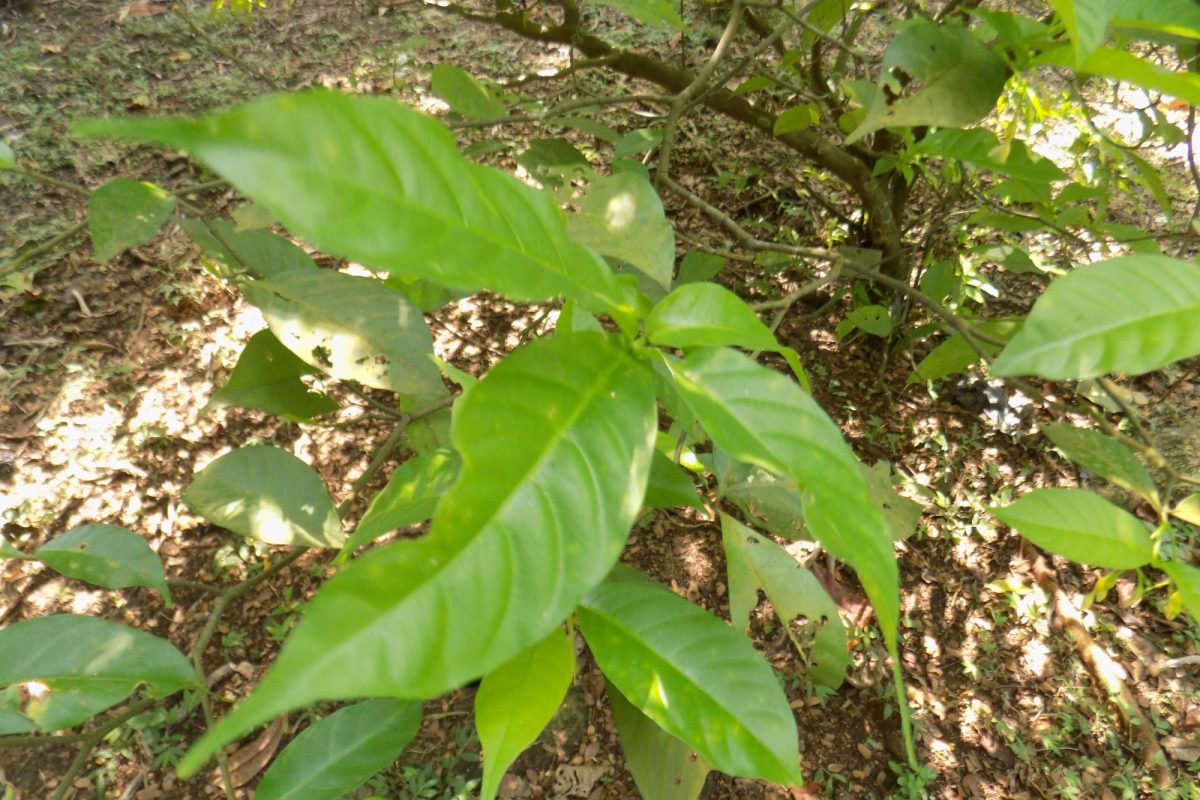
Iboga is a shrub native to the equatorial rainforests of Central Africa, where its root serves as the central sacrament of Bwiti, a Gabonese spiritual tradition. This same plant contains ibogaine, an alkaloid currently being studied by Western science for its potential role in addressing addiction. In this article, we review what Bwiti is, how iboga is used in its rituals, and what we know so far, so that everyone can form their own informed opinion.
What is Bwiti?
Bwiti is not a single church, but rather a collection of spiritual branches practiced primarily by the Mitsogo, Punu, and Fang peoples, as well as the Babongo communities (often referred to as Pygmies) of Gabon and neighboring regions. The tradition attributes the discovery of the root’s ritual use to the forest peoples, who later passed it on to Bantu populations. Modern Bwiti is markedly syncretic: it combines ancestor worship and animism with Christian elements, and in Gabon, it is recognized as one of the country’s official religious traditions. Anthropologist James W. Fernandez documented these practices among the Fang for decades, and his work remains a primary academic reference.
Iboga in the Initiation Ceremony
In Bwiti, the bark of the iboga root is consumed in two very different ways. In small doses, it acts as a stimulant that reduces fatigue and sharpens focus—a use traditionally associated with hunting and nocturnal dances. In the grand initiation ceremony, however, a much larger quantity is ingested under the guidance of a ritual specialist, the nganga. The purpose is to induce a visionary state, akin to a waking dream, in which the initiate may feel they are encountering ancestors or revisiting episodes from their life. The initiation lasts for several days and includes repetitive music, fasting, purification, and vomiting. It is a highly structured, collective practice supported by a system of beliefs and community support, which is quite distinct from improvised use.
From the Jungle to the Lab
Scientific interest in iboga centers on ibogaine and its metabolite, noribogaine. They act simultaneously on several neurotransmitter systems (dopamine, serotonin, and opioid receptors), which may help explain both their psychoactive effects and their attributed anti-addictive properties. Various observational studies and case series suggest that a single session could reduce withdrawal symptoms and cravings in disorders related to the use of opioids, cocaine, or other substances. Nevertheless, the evidence is still preliminary: a systematic review published in Current Neuropharmacology in 2023 found only two double-blind, placebo-controlled trials, compared to a majority of case reports. In 2024, Nature Medicine published an observational study from Stanford University involving 30 veterans with traumatic brain injuries who received ibogaine alongside magnesium; the authors described improvements in depression, anxiety, and post-traumatic stress symptoms, although it was a small study without a control group, which the researchers themselves present as a first step.
Harm Reduction
Anyone considering approaching iboga deserves honest information to stay safe. The aspect requiring the most attention is cardiac health: ibogaine modifies the heart’s electrical activity, can prolong the QT interval, and may promote arrhythmias, including torsade de pointes. Documented fatalities have occurred primarily in improvised contexts, without prior cardiac evaluation, without knowing the origin or purity of the substance, and without anyone nearby capable of responding. For this reason, the risk is significantly reduced when things are done carefully: an electrocardiogram and liver function test beforehand, an environment with monitoring and trusted people present, and an honest review of any medications being taken, as drug interactions are frequent. A history of cardiac, liver, or psychiatric issues warrants special caution. Caring for the set and setting—the internal state and the context—is as much a part of safety as the dosage. Legally, it is important to note: ibogaine is a controlled substance; in the United States, it is listed as Schedule I, and in Europe, neither the EMA nor the AEMPS has authorized any use to date, meaning research currently proceeds in hospital settings. And if an addiction is a heavy burden, addiction treatment units offer a supported path that is also worth considering. Finally, it is worth remembering the cultural dimension: iboga is a sensitive resource for Gabon, subject to intense pressure from international demand, and approaching it with respect includes respecting its origin.
Sources
- Cherian, K. N. et al. Magnesium–ibogaine therapy in veterans with traumatic brain injuries. Nature Medicine, 2024.
- Rodríguez, P. et al. Ibogaine/Noribogaine in the Treatment of Substance Use Disorders: A Systematic Review. Current Neuropharmacology, 2023.
- Bwiti (ethnographic and cultural overview). Wikipedia, accessed in 2026.
Educational content written from a harm reduction perspective and with respect for individual freedom. It is not a substitute for advice from a healthcare professional and is not intended to encourage or condemn any drug use.


