

In brief
- Ibogaine is an alkaloid found in iboga (West Africa) that, in observational studies, appears to alleviate opioid withdrawal and cravings.
- No randomized, placebo-controlled clinical trials have been completed to date; the available evidence remains preliminary and exploratory.
- Its most critical safety concern is cardiac (QT prolongation and arrhythmias), with documented deaths almost always linked to preventable factors such as a lack of prior medical screening.
Few substances provoke as much fascination and caution simultaneously as ibogaine. Often discussed as a potential aid for overcoming heroin or methadone dependence, it warrants a sober, grounded assessment: neither its promises nor its risks benefit from hyperbole. Here, we present what the science currently shows so you can make informed decisions based on facts.
What Is Ibogaine
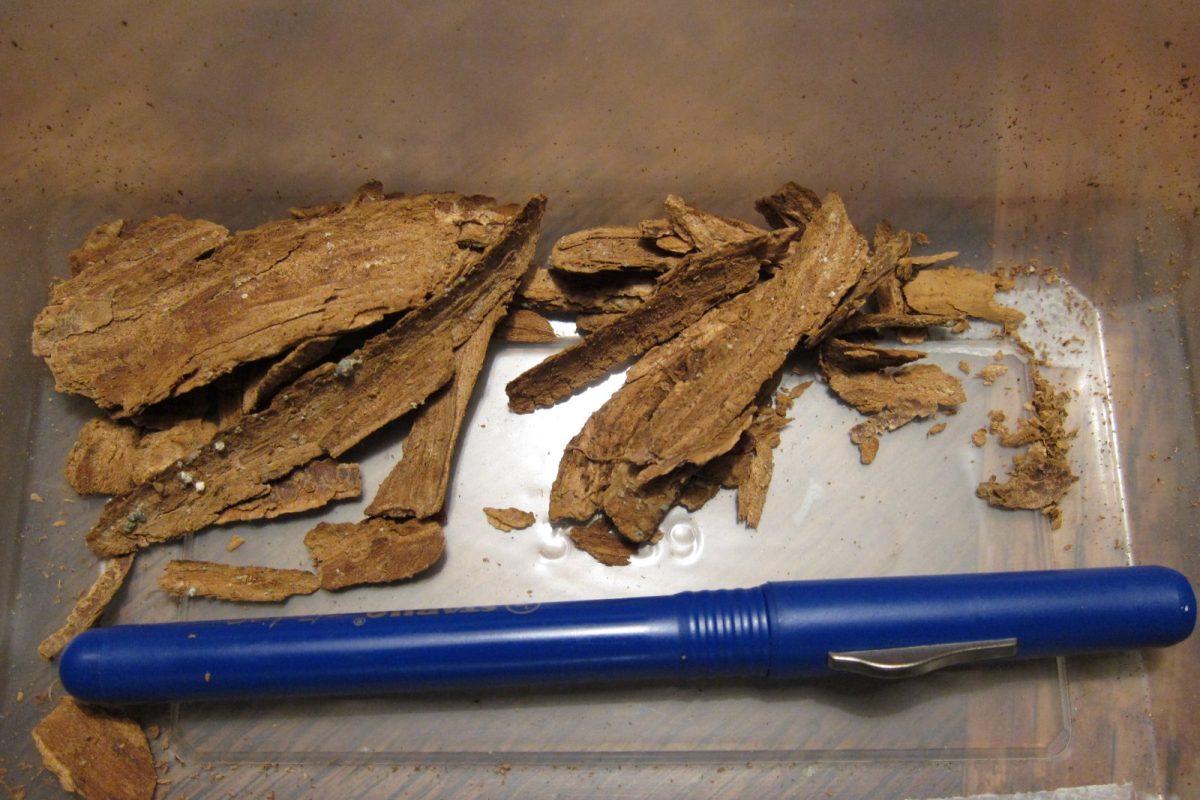
Ibogaine is a psychoactive alkaloid derived from the root bark of the iboga shrub (Tabernanthe iboga), native to the rainforests of Gabon, the Republic of the Congo, and other regions of West and Central Africa, where Bwiti communities have used it ritually for generations. Interest in its anti-addictive properties emerged in the mid-20th century through anecdotal observations: people with opioid dependence reported that withdrawal symptoms virtually disappeared after a single dose. Since then, private clinics in countries like Mexico and Canada have offered ibogaine treatments, while formal clinical research moves forward at its own measured pace.
What the Evidence Shows for Addiction
The most consistent findings come from observational studies and case series rather than rigorous clinical trials. In these reports, when administered in supervised settings, ibogaine appears to mitigate acute withdrawal syndrome and curb cravings; some participants sustained reduced substance use for up to twelve months following a single session. Researchers attribute this to a broad, multi-target mechanism: rather than acting on a single receptor, it appears to simultaneously modulate several neurotransmitter systems (dopaminergic, serotonergic, opioid, glutamatergic, and nicotinic), partially mediated by its long-acting active metabolite, noribogaine.
Yet we must remain candid about the quality of evidence. As a 2026 review in the journal Molecules emphasizes, despite decades of research, no randomized, placebo-controlled trial has yet confirmed its efficacy. All existing human data stem from open-label trials, retrospective analyses, and clinical case reports—methodologies inherently vulnerable to bias. Early-phase trials are currently underway—including a study in Spain led by the ICEERS Foundation on methadone detoxification—but their findings remain preliminary. For now, ibogaine represents a promising frontier rather than a settled medical solution.
The Heart: The Primary Safety Concern
Its best-documented danger is cardiovascular. Ibogaine blocks the hERG potassium channel and prolongs the QT interval, which can trigger life-threatening arrhythmias (torsades de pointes, ventricular tachycardia, or ventricular fibrillation) and sudden cardiac arrest. A forensic review identified 19 fatalities associated with ibogaine use between 1990 and 2008, a tally that later analyses expanded. This is a critical figure, but it is also revealing: a large proportion of these deaths involved individuals with pre-existing cardiovascular conditions, concurrent use of opioids or benzodiazepines, or a lack of proper medical screening. In addition, significant inter-individual variability in drug metabolism (via the CYP2D6 enzyme) makes determining a universally safe dose difficult. For this very reason, a 2024 Stanford University study published in Nature Medicine—conducted with 30 military veterans focusing on traumatic brain injury rather than addiction—co-administered ibogaine with magnesium to shield cardiac function and observed zero cardiac adverse events, an intriguing protocol that still requires broader clinical validation.
Harm Reduction
For regulatory context: ibogaine is controlled internationally, and neither the European Medicines Agency (EMA) nor Spain’s AEMPS has approved it as a prescription medication; currently, it exists primarily in clinical research trials and private international clinics. That said, anyone considering it deserves clear information to protect their health. The decisive factor remains cardiac safety: virtually all documented fatal outcomes involve undiagnosed heart conditions, concurrent use of opioids, benzodiazepines, or other central nervous system depressants, and an absence of medical monitoring. These risks are largely manageable through rigorous pre-screening—an electrocardiogram (ECG), comprehensive blood panels, full medical history—and continuous telemetry during the session, safeguards that can only be guaranteed in a medically supervised setting; taking it alone dramatically concentrates the risk. It also helps to see the broader clinical picture: for opioid use disorder, medications like buprenorphine or methadone, combined with psychosocial support, currently offer the strongest evidence base. If you or someone you care about is seeking support, community-based addiction services and healthcare professionals provide a solid starting point.
Sources
- Ibogaine: Therapeutic Potential, Cardiac Safety, and Translational Perspectives in the Treatment of Substance Use Disorders — A Scoping Review. Molecules, 2026.
- Magnesium–ibogaine therapy in veterans with traumatic brain injuries. Nature Medicine, January 2024.
- Stanford Medicine. Psychoactive drug ibogaine effectively treats traumatic brain injury in special ops military vets. Stanford University, January 2024.
Educational content written from a harm reduction perspective and with respect for individual freedom. It is not a substitute for advice from a healthcare professional and is not intended to encourage or condemn any drug use.


