

Three Pathways to Truth: Religion, Science, and Art
The quest for knowledge has historically contained an element of transgression. For centuries, Western culture—dominated by clerical orthodoxy—regarded the drive to unravel nature’s hidden mysteries as an act of hubris bordering on defying God, punished by excommunication or worse. Yet even fear of the stake failed to extinguish the human impulse to comprehend the world and access altered dimensions of reality.
To this theological dogma, modern science provided a radical counterweight. The scientific method dismantled religious dogma as the sole source of knowledge, yet established a new orthodoxy in its place: an empirical positivism that measures, weighs, and classifies, excluding whatever cannot be perceived with the eye. Phenomena that resisted mechanical quantification—chance, mystery, intuitive thought—were dismissed as superstition.
Into this philosophical vacuum stepped art. Independent of dogmatic faith and clinical laboratories, literature articulated an existential yearning resistant to empirical measurement: transcendence, sublime beauty, and emotional redemption. If materialist science had emptied the heavens, Romantic artists—bereft of a divine anchor—fashioned art into their new religion. And some came to believe that psychoactive botanicals could provide the key to that cathedral.
De Quincey and Opium: The First Great Chronicle (and Its Regret)
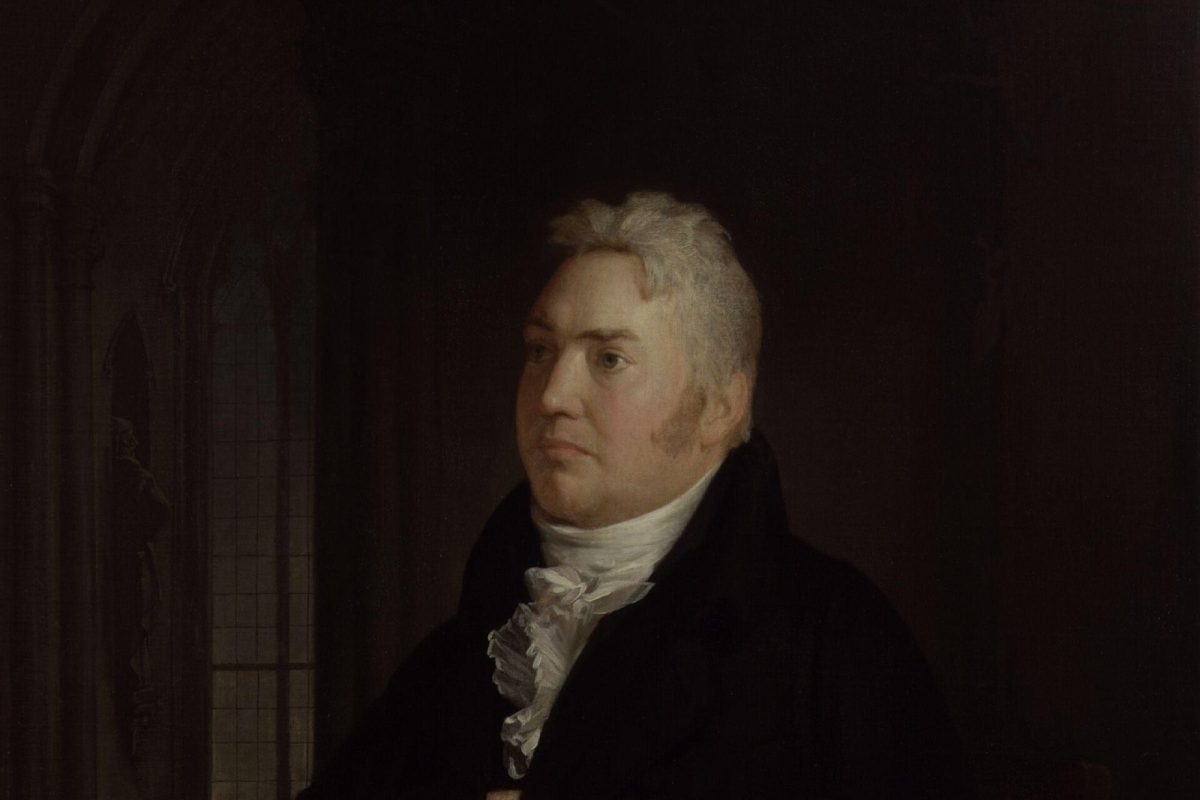
While sacramental botanical use stretches into deep antiquity, the deliberate use of drugs by Western writers as both aesthetic theme and creative methodology is relatively recent. A foundational pioneer was English author Thomas De Quincey, whose Confessions of an English Opium-Eater transformed subjective intoxication into high literature. Yet an essential biographical reality is often minimized in romantic retellings: De Quincey ultimately lamented his habit. His narrative is no simple celebration; it is an agonizing record of compulsive dependence and bodily torment.
Long before him, world literature had mythologized psychotropic botanicals. One Thousand and One Nights depicted hashish as a threshold to celestial dreams, and renaissance physician Paracelsus cataloged its medicinal potency. The idea that a compound could unlock imagination and heighten sensory perception spurred nineteenth-century aesthetic experimentation.
Paris, Hashish, and the Decadent Movement
In nineteenth-century France, literary experimentation blossomed into a celebrated salon scene. Charles Baudelaire and Théophile Gautier popularized fascination with opium and hashish, participating in the famous Club des Hashischins. An important nuance must be noted: Baudelaire himself, in Artificial Paradises, ultimately ranked hashish below wine and warned against its deceptive illusions. Intellectual fascination coexisted with clear-eyed philosophical skepticism.
This milieu nourished the Decadent movement, inheriting the romantic bohemianism of Gérard de Nerval, Victor Hugo, and Honoré de Balzac, expanding their chemical repertoire to include diethyl ether, morphine, and South American cocaine. Yet the phenomenon reached far beyond fashionable literary salons: contemporary painters like Toulouse-Lautrec depicted impoverished women addicted to morphine, consumed to numb visceral pain or chronic hunger. What literature stylized as poetic spleen possessed a far darker, tragic face on the street.
Joris-Karl Huysmans synthesized this aesthetic in Des Esseintes, the eccentric protagonist of Against the Grain: a jaded aristocrat cataloging curiosities with cold clinical detachment, including indigenous curare from the Amazon, which he observed paralyzed motor neurons. Marcel Proust similarly observed the craving for exotic stimuli among an exhausted European aristocracy.
Seeing the Color of Sound: Synesthesia and the Avant-Garde
Beyond biographical gossip, the true legacy of psychoactive experimentation appears in literary form. This literature pioneered linguistic connections impossible under ordinary logic: perceiving the color of sound, the melody of hues, and the geometry of noise. This synesthetic metaphor animated French Symbolists alongside modernists in Spain and Latin America.
Authors also dismantled linear time and geographical space, exploring fractured ego identity—observing oneself from outside, multiplying perspectives as in a shattered mirror—techniques that twentieth-century avant-gardes converted into formal artistic doctrine. These experiments permanently transformed lyric poetry and revolutionized the modern novel.
The Surrealists theorized this aesthetic most systematically. Automatic writing aimed to transcribe onto paper the unfiltered imagery of hypnagogic trances, even if the act of composition inevitably required conscious editorial ordering. Under André Breton, this lineage—stretching from the Romantics through the trauma of World War I—connected directly to the mid-century Beat Generation: Allen Ginsberg, William S. Burroughs, and Jack Kerouac.
Critical Appraisal
This cultural history is captivating, yet perpetuates an enduring myth: the romantic belief that psychoactive substances serve as a magical muse or shortcut to genius. That fallacy must be dispelled. Writers who produced enduring masterpieces were, first and foremost, disciplined masters of their craft. Significant literature is created almost always in spite of intoxication rather than because of it, through sober revision and grueling hours at the writing desk. The agonizing decline of De Quincey and numerous tragic authors underscores the harsh reality of dependence, cognitive deterioration, and physical distress.
Furthermore, an acute survivorship bias distorts history: we remember celebrated literary giants who survived to publish, while forgetting countless aspiring artists whose lives were derailed by addiction without producing work. Class bias is equally stark: what was romanticized as aesthetic exploration in an elite poet was condemned as moral degradation in an impoverished addict. Reading this chapter of cultural history with perspective—free of romantic apology or moralistic demonization—honors its genuine creative inquiry while recognizing its tragic human toll.


