

In brief
- Esketamine (Spravato), the S-enantiomer of ketamine delivered as a nasal spray, is the derivative officially approved by the EMA and AEMPS for treatment-resistant depression, combined with an oral antidepressant and administered under medical supervision.
- Its most compelling feature is speed: it can relieve symptoms within hours or days, compared to the weeks required by conventional antidepressants. The tradeoff is durability, as therapeutic gains tend to fade unless maintenance treatment is sustained.
- Like any active pharmacological compound, it carries effects worth knowing: dissociation and blood pressure spikes during sessions, alongside urinary tract symptoms and potential dependence with chronic or high-frequency use. It is a controlled substance whose recognized application remains clinical.
Ketamine, an anesthetic developed in the 1960s, has emerged as one of psychiatry’s most discussed innovations due to its capacity to rapidly alleviate depression that fails to respond to other treatments. It is worth separating what clinical evidence actually demonstrates from the expectations surrounding it, giving everyone the tools to form an independent, evidence-based judgment.
From Anesthetic to Antidepressant: What It Is and How It Works
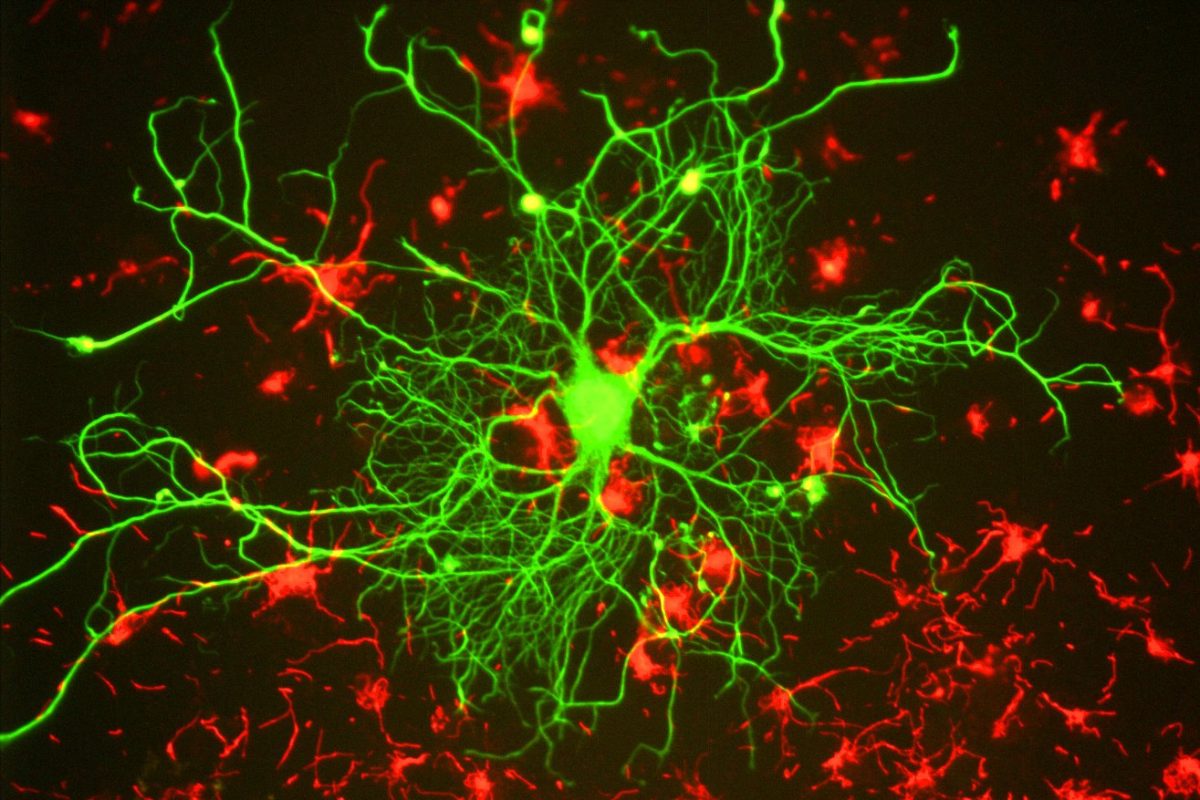
Ketamine has been used for decades as an anesthetic and analgesic. At subanesthetic doses—far lower than surgical levels—it produces an antidepressant effect that diverges from the classical serotonin model. It acts primarily as an antagonist at NMDA glutamate receptors, targeting the brain’s principal excitatory neurotransmitter. This blockade triggers increased downstream glutamatergic signaling and, according to the prevailing hypothesis, promotes the formation of new neural connections (synaptic plasticity). Researchers are also investigating AMPA receptors and an active metabolite, hydroxynorketamine. It is important to distinguish between racemic ketamine, administered intravenously off-label in some hospital settings, and intranasal esketamine, which holds formal regulatory approval.
What the Clinical Evidence Shows
The most striking feature is its rapid onset. While conventional antidepressants take weeks, a single administration of ketamine can elevate mood within hours, peaking around the 24-hour mark. In clinical trials focused on treatment-resistant depression, roughly half of participants respond (defined as at least a 50% reduction on symptom rating scales). The caveat is that the benefit of a single dose typically lasts only three to seven days, and several meta-analyses show that its advantage over placebo dissipates by days ten to twelve. Real-world treatment protocols therefore rely on repeated maintenance sessions: in the SUSTAIN-1 trial, continuing esketamine alongside an oral antidepressant reduced relapse rates to 26.7%, compared to 45.3% among those switched to placebo. In direct comparisons, the ELEKT-D trial (Anand et al., 2023), involving 403 patients, found that intravenous ketamine was non-inferior to electroconvulsive therapy in non-psychotic treatment-resistant depression (55.4% response rate versus 41.2%). That said, the evidence carries methodological limitations: dissociative effects make maintaining trial blinding difficult, and some findings, particularly regarding racemic ketamine, remain preliminary.
Esketamine: The Approved Drug and How It Is Administered
Esketamine received FDA approval in 2019 and EMA authorization shortly thereafter. Its approved indication is treatment-resistant major depressive disorder in adults, always in combination with an oral antidepressant (an SSRI or SNRI), as well as short-term relief during psychiatric emergencies driven by major depression. It is administered as a nasal spray in a certified healthcare facility under clinical supervision, followed by a mandatory observation period due to the risks of sedation, dissociation, and transient blood pressure spikes; patients are advised not to drive or operate machinery for the rest of the day. In its therapeutic positioning report, the Spanish AEMPS situates it as an option for patients who have failed multiple antidepressants, factoring in its cost and logistical demands. For now, ketamine remains tightly controlled, and its authorized therapeutic route is strictly clinical.
Harm Reduction
If someone considers using ketamine outside a clinical setting, honest information—rather than fear—remains the most effective tool. The most characteristic complication of repeated use involves the urinary system: ketamine-induced cystitis or uropathy, which can cause urinary urgency, pain, incontinence, and, in severe cases, bladder contracture or renal damage. This is not exclusive to heavy consumers: urinary symptoms have been documented in roughly 27% of occasional users, and frequent use multiplies that risk three- to fourfold; fortunately, stopping use typically improves the condition. Moderating frequency and dosage, paying attention to somatic warning signs, and spacing sessions out significantly cuts down on that risk. It is equally important to keep psychological dependence in mind and avoid combining ketamine with alcohol or other central nervous system depressants, which amplify sedation and the danger of accidents; setting matters—a secure, calm environment in trusted company, away from driving, makes a critical difference. As a treatment for depression, ketamine performs best under accurate diagnosis, medical oversight, and calibrated dosing; if you are navigating a difficult period, speaking with a healthcare professional remains the most constructive path, and if you are experiencing suicidal thoughts in Spain, free and confidential help is available around the clock at 024. The decision is yours, and the goal is to make it with the clearest information possible.
Fuentes
- AEMPS. Informe de Posicionamiento Terapéutico de esketamina (Spravato) en trastorno depresivo mayor resistente al tratamiento. Agencia Española de Medicamentos y Productos Sanitarios, 2022.
- AEMPS/EMA. Ficha técnica de Spravato (esketamina) solución para pulverización nasal. CIMA, actualizada 2024.
- Walsh Z. y cols. Ketamine treatment for depression: a review. Discover Mental Health (PMC), 2022.
Educational content written from a harm reduction perspective and with respect for individual freedom. It is not a substitute for advice from a healthcare professional and is not intended to encourage or condemn any drug use.


