

In brief
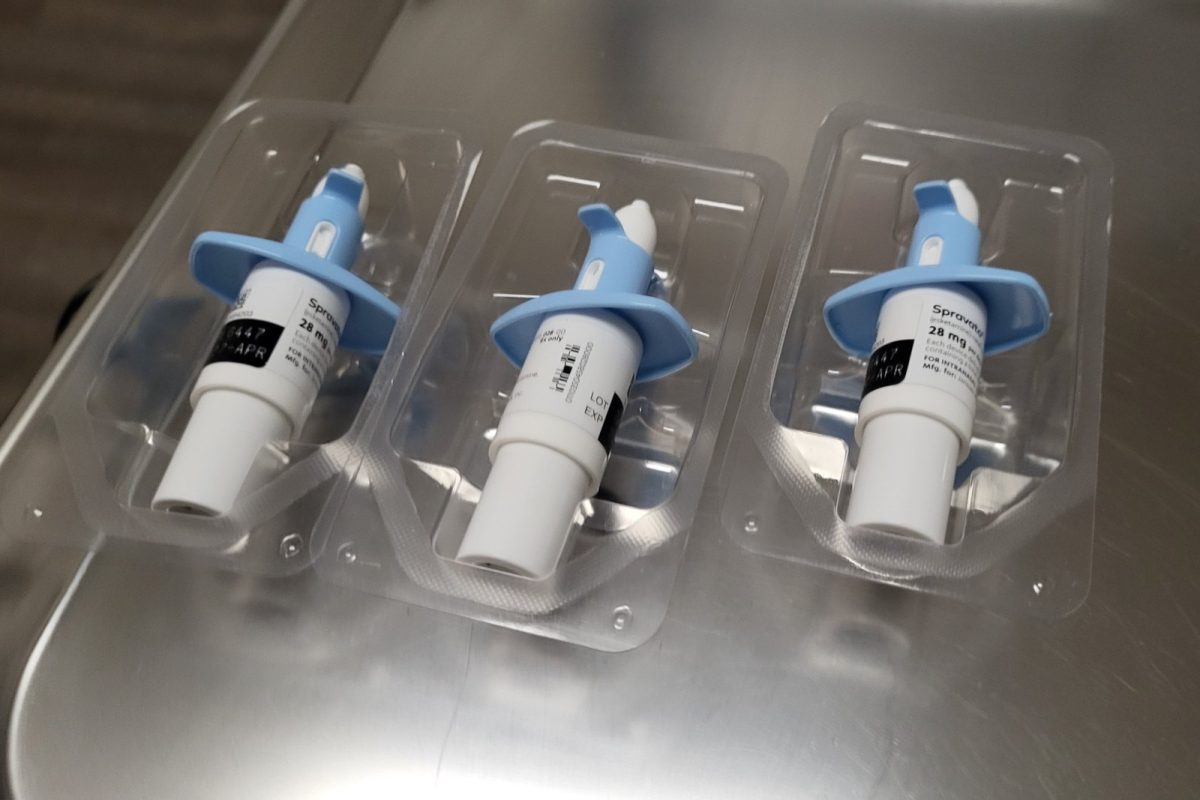
- Esketamine is the S-enantiomer of ketamine and is marketed as a nasal spray (Spravato) for treatment-resistant major depression.
- It works by blocking the glutamate NMDA receptor, a mechanism distinct from classic antidepressants (SSRIs and SNRIs) that produces a notably faster effect.
- As a medication, it is administered in healthcare facilities under supervision; it is derived from ketamine, a controlled dissociative molecule with a long history in both clinical and recreational settings.
Esketamine was the first antidepressant with a truly novel mechanism of action in decades. It was approved by the U.S. Food and Drug Administration (FDA) in 2019 and shortly thereafter by the European Medicines Agency (EMA). It is administered as a nasal spray in monitored clinical settings. Here, we explain what it is, how it is believed to work, and what is known to date, so that every person can form their own opinion based on reliable information.
What it is and how it differs from other antidepressants
The ketamine molecule is actually a mixture of two mirror-image forms, called R- and S-enantiomers. Esketamine is the S-form, which binds more strongly to the NMDA receptor. The pharmaceutical company Janssen (a Johnson & Johnson subsidiary) developed it as a nasal spray under the brand name Spravato. The FDA authorized it in March 2019 for use in combination with an oral antidepressant, and the EMA followed suit in December of that year; in Spain, the AEMPS issued its positioning and funding report in 2022.
In Europe, it is indicated for adults with treatment-resistant major depression—those who have not responded to at least two different antidepressants in the current episode—always in conjunction with an SSRI or SNRI. It has also been authorized to rapidly reduce depressive symptoms in psychiatric emergencies. In January 2025, the FDA took a further step and approved its use as monotherapy in the United States; in the European Union, for the time being, combined use remains the standard. Its major innovation is speed: while classic antidepressants take weeks to work, esketamine can alleviate symptoms in hours or a few days.
How it acts in the brain
Esketamine is a non-competitive antagonist of the NMDA receptor, one of the entry points for glutamate, the brain’s primary excitatory neurotransmitter. Conventional antidepressants work on monoamines (serotonin, norepinephrine); esketamine, by contrast, intervenes in the glutamatergic system, a completely different pathway.
The most widely accepted hypothesis is that by blocking NMDA receptors on certain neurons, a release of glutamate is triggered that activates another type of receptor (AMPA) and initiates a signaling cascade—involving proteins like BDNF and the mTOR pathway—that promotes plasticity and the formation of new synaptic connections. It is important to emphasize that this mechanism is still under investigation and is not yet fully understood. The transient dissociative effects it can cause reflect that same action on the glutamate system.
What the evidence says and how it is used
The trials that supported its approval (the TRANSFORM and SUSTAIN programs) showed greater improvements in the MADRS scale of depressive symptoms and higher rates of response and remission compared to a placebo plus an antidepressant, with benefits that were maintained long-term. Even so, the evidence is discussed honestly: some meta-analyses find more modest and heterogeneous effects, noting the difficulty of maintaining the study “blind” when the dissociation itself reveals who is receiving the drug. Regulators concluded that in such a difficult-to-treat population, the benefit outweighs the risks.
In practice, the individual self-administers the spray while accompanied by a professional in an authorized center. Afterward, they remain under observation for at least two hours to monitor blood pressure, sedation, and dissociation, and they must not drive or operate machinery for the rest of the day. It is, therefore, a treatment designed for the clinical environment and not for home use.
Harm reduction
Esketamine shares its roots with ketamine, a dissociative with a long history in both medical and recreational contexts; as a point of context, it is a controlled substance. If someone considers using ketamine outside of the healthcare circuit, it is helpful to keep in mind that it is not the same product as the medication and lacks dose and purity controls, so managing the context—the well-known set and setting—makes all the difference. Among the factors to consider: frequent and repeated use is associated with tolerance and dependence, bladder discomfort (so-called ketamine cystitis), and effects on memory and concentration. Since the dissociative state can increase the risk of falls or accidents, it is advisable to choose a safe place, have trusted company, and space out consumption. Avoiding mixtures is especially important with alcohol or other sedatives, as they increase respiratory depression. Certain conditions increase risk, such as aneurysms, a history of cerebral hemorrhage, or uncontrolled hypertension. The most common adverse effects of esketamine—dizziness, nausea, dissociation, headache, drowsiness, vertigo, and taste disturbances—are usually mild and transient. If you suspect this treatment could help you, speaking with a psychiatrist is the best way to evaluate it calmly; it is also a good idea not to stop or change your current medication on your own.
Sources
- AEMPS. Therapeutic Positioning Report for esketamine (Spravato) in treatment-resistant major depressive disorder. Spanish Agency of Medicines and Medical Devices, 2022.
- European Medicines Agency. Spravato (esketamine): EPAR summary. EMA, 2019 authorization.
- Johnson & Johnson. Spravato approved in the U.S. as the first and only monotherapy for treatment-resistant depression. Press release, January 2025.
Educational content written from a harm reduction perspective and with respect for individual freedom. It is not a substitute for advice from a healthcare professional and is not intended to encourage or condemn any drug use.