

In brief
- Repeated ketamine use is associated with a specific bladder injury (ketamine-induced cystitis) that, in advanced cases, can affect the ureters and kidneys.
- It is a substance with addictive potential: it can lead to tolerance, psychological dependence, and, with intense and prolonged use, memory impairment.
- The so-called “K-hole” is a state of profound dissociation that is rarely fatal on its own, but leaves the individual vulnerable to accidents, choking, and overdose, especially when combined with depressants.
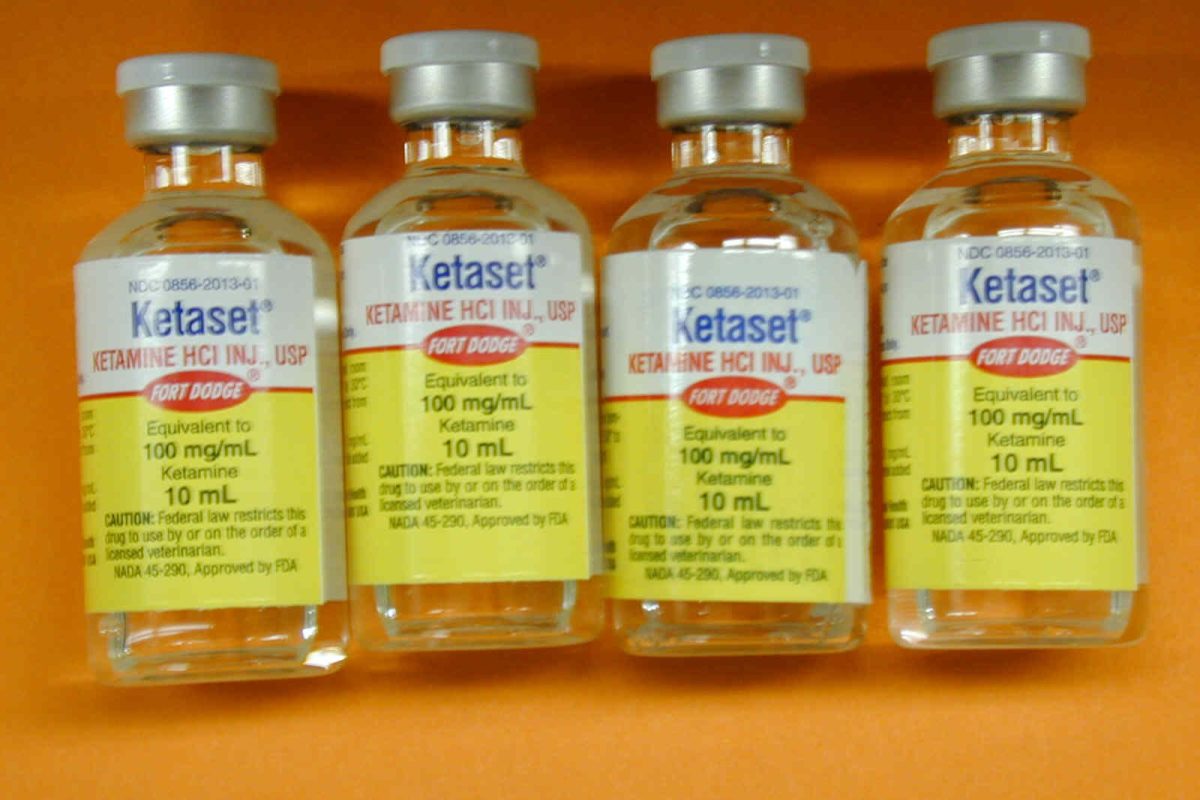
Ketamine is a dissociative anesthetic with a long medical history that, for decades, has also been used recreationally and for the exploration of consciousness. Like any psychoactive tool, it has sought-after effects as well as risks that are worth knowing in advance. This text gathers what the evidence says about three of them—urinary damage, dependence, and extreme dissociation—with the idea that each person can make decisions based on truthful information, neither exaggerated nor sugarcoated.
Ketamine-induced cystitis: A silent urinary injury
This is one of the best-documented adverse effects of frequent use. Medical reviews describe ketamine-induced cystitis (or ketamine uropathy): an inflammation and deterioration of the bladder wall that manifests as an urgent and very frequent need to urinate, pain during urination, pelvic discomfort, and, at times, blood in the urine. Lower urinary tract symptoms appear up to six times more often among those who use ketamine than among those who do not, and they affect a notable proportion of regular users; the intensity tends to correlate with the amount and duration of use.
The injury can progress. In the most severe cases, thickening of the bladder wall, reduced bladder capacity, and, when the damage ascends, dilation of the ureters and hydronephrosis (accumulation of urine in the kidney due to obstruction) are observed, which can ultimately lead to kidney failure. The silver lining is hopeful: spacing out or stopping use is usually associated with an improvement in symptoms, although some people experience persistent discomfort, and the most advanced cases may require surgery. Therefore, in the face of stinging, urgency, or blood in the urine, it makes sense to consult a professional early rather than dismissing it as a simple, passing infection.
Dependence, tolerance, and cognitive effects
Regarding addiction, ketamine is not harmless. Laboratory studies show brain changes characteristic of a substance with addictive potential, and in humans, regular use is associated with tolerance (needing increasingly larger amounts for the same effect) and psychological dependence, with the emergence of intense cravings and patterns of compulsive use. It does not usually produce a striking physical withdrawal syndrome like other drugs, but psychological dependence can be just as limiting in day-to-day life.
Intense and prolonged use has also been linked to difficulties with memory and cognitive functions, as well as anxiety and low mood. Very frequent recreational use can even cause delusional ideas that persist for weeks after stopping. These are effects that, added to the urinary damage, create a risk profile that grows with frequency and dosage—a good reason to pay attention to both factors.
The “K-hole” and acute risk
The “K-hole” is a state of very intense dissociation caused by high doses: the person experiences an almost total disconnection from their body and surroundings, characterized by immobility and the sensation of being “outside” of reality. In itself, it is rarely directly fatal, but the danger lies in the physical vulnerability it creates: those experiencing it cannot move or call for help, which exposes them to falls and accidents, choking on their own vomit, or situations of assault.
The risk increases significantly when mixing ketamine with alcohol, opioids, GHB, or other central nervous system depressants, because it can lead to additive respiratory depression (dangerously slow breathing) and loss of consciousness. In fact, a significant portion of ketamine-related deaths also involve opioids or stimulants. Intense nausea, extreme confusion, seizures, or difficulty breathing are signs that require urgent medical assistance.
Harm reduction
Legally, ketamine is a controlled substance: its medical use is regulated, and recreational use falls outside that coverage. As context, its derivative esketamine (Spravato) is authorized by the EMA and the AEMPS, but for a very specific scenario: treatment-resistant depression in adults who have not responded to other antidepressants, administered under hospital supervision with patient observation for about 90 minutes after each dose. This is a clinical framework, with dosages, control, and objectives distinct from those of self-administered use.
From a harm reduction perspective, and considering those who decide to use it, there are measures that genuinely lower the risk: do not use alone, avoid combining it with alcohol or other depressants, and choose a safe environment, without risk of falls, away from water, and without driving afterward. If someone loses consciousness or vomits, placing them on their side helps prevent choking. Recurring urinary discomfort, memory lapses, or the feeling of having lost control over consumption are good reasons to seek professional support, without guilt and without the need to hide it. And in the face of any sign of overdose or very slow breathing, the priority is to call emergency services immediately and clearly state what has been taken.
Sources
- Jhang JF, Hsu YH, Kuo HC, et al. Ketamine-Induced Cystitis: A Comprehensive Review of the Urologic Effects of This Psychoactive Drug. Healthcare (PMC), 2022.
- National Institute on Drug Abuse (NIDA). Ketamine. NIDA, April 9, 2024.
- AEMPS. Therapeutic Positioning Report on esketamine (Spravato) for treatment-resistant major depressive disorder. AEMPS, 2022.
Educational content written from a harm reduction perspective and with respect for individual freedom. It is not a substitute for advice from a healthcare professional and is not intended to encourage or condemn any drug use.


