

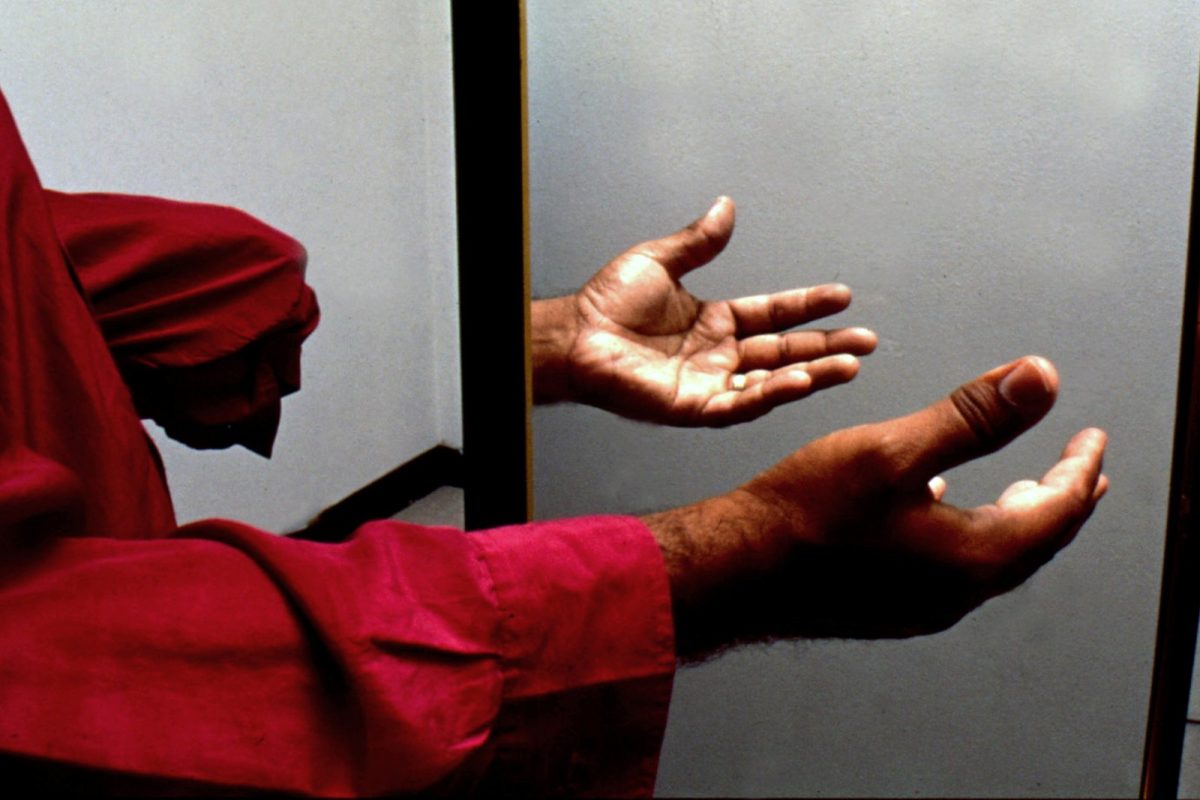
The experience of the “phantom limb” is a complex clinical reality affecting many people following amputations or major surgeries. What is perceived as sensations originating from an absent limb is not a product of the imagination, but rather the result of erroneous signal processing by the Central Nervous System. When these sensations evolve into intense, chronic pain—known as neuropathic pain—conventional therapeutic options are often insufficient. In this context, cannabinoids have emerged as a promising alternative that deserves to be analyzed with scientific rigor, clinical prudence, and a comprehensive approach focused on harm reduction.
In brief
- Mechanism of action: Cannabinoids work by modulating nervous system receptors, offering a profile distinct from traditional analgesics like opioids.
- Clinical evidence: The drug Sativex® (THC/CBD) is approved in Spain, with clinical trials demonstrating efficacy in neuropathic pain, including cases of multiple sclerosis and traumatic injuries.
- Psychological risks: It is crucial to distinguish between controlled therapeutic use and recreational consumption. High doses or a lack of experience can trigger anxiety, hallucinations, or depersonalization.
- Medical supervision: Self-medicating with cannabis for this purpose is not recommended. Dosage must be personalized by a neurologist or pain specialist.
- Comprehensive approach: Treating phantom limb pain requires addressing both physical and psychological dimensions, avoiding patient stigmatization and fostering active pain management.
Understanding the phantom limb phenomenon
To understand why cannabinoids may be relevant, it is necessary to first grasp the underlying physiology. The “phantom limb” is not a hallucination in the colloquial sense of seeing things that do not exist; it is a real perception generated by the brain. Following an amputation or deep surgery affecting major nerves, nerve endings in the affected area continue to send electrical impulses.
The Central Nervous System (CNS), faced with the absence of signals from the physical body, interprets these erratic stimuli as if they were coming from the amputated limb. In many cases, these sensations are benign: one may perceive heat, cold, or pressure without pain. However, when the nervous system enters a state of hyperexcitability, the impulses are distorted and experienced as intense pain, burning, or stabbing. This condition is medically classified as neuropathic pain.
It is essential to highlight that this phenomenon is relatively common, and its management can be challenging for both the patient and the medical team. Traditional therapies sometimes fail to control the intensity of the pain or carry significant side effects, which opens the door to exploring other pharmacological avenues.
Cannabinoids in the treatment of neuropathic pain
Science has identified that compounds present in the cannabis plant interact with the human endocannabinoid system, a network of receptors distributed throughout the body that regulates vital functions such as appetite, sleep, and, crucially, pain perception.
The specific combination of tetrahydrocannabinol (THC) and cannabidiol (CBD) has been the subject of rigorous study. THC possesses direct analgesic properties, while CBD modulates the pain response and can enhance the effects of THC without adding the same undesirable psychoactive burdens when used in appropriate proportions.
The most prominent case is Sativex®, a cannabis extract-based medication approved for use in Spain. This drug is administered sublingually (under the tongue) and has demonstrated, through controlled clinical trials, significant improvement in neuropathic pain associated with conditions like multiple sclerosis. Evidence suggests that these results are applicable to other causes of neuropathic pain, such as severe traumatic injuries or nerve plexus ruptures.
There is even scientific literature on small studies where inhaled cannabis (cigarettes) was administered to patients with neuropathic pain, with symptomatic relief observed. However, it is imperative to distinguish between these clinical contexts and unregulated recreational use. The sublingual route of administration offers more predictable kinetics and avoids the sharp spikes in blood concentration often associated with inhalation or uncontrolled oral consumption.
Harm reduction: A fundamental pillar
Despite the therapeutic potential, the use of cannabinoids is not without risks. As with any drug, individual response varies enormously due to genetic, metabolic, and psychological factors.
One of the most significant challenges is the psychoactive profile. Cannabinoids have potent effects on the mind, and not all patients tolerate these changes equally. In a strictly controlled therapeutic context, doses are low and titrated to minimize cognitive alterations. However, in situations of inappropriate use or high doses, adverse symptoms can appear that require immediate attention.
Unwanted psychological effects usually manifest as intense distress, acute anxiety, or difficulty maintaining a logical train of thought. In extreme cases, especially in inexperienced individuals or those with a prior psychiatric predisposition, hallucinations, a sense of depersonalization (feeling detached from oneself), or other transient psychotic symptoms may arise.
These risks increase significantly if oral routes such as brownies, butters, or cakes are used, where the dose is difficult to calculate and effects can be delayed and unpredictable. Therefore, any decision to begin treatment must be made after an exhaustive neurological assessment that includes a complete medical history and an evaluation of current mental state.
Practical considerations for the patient
Faced with the question of “how to take it” or “where to buy it,” the responsible answer is clear: there is no safe self-prescription. Medicinal cannabis must be acquired exclusively through specialized pharmacies and with a valid medical prescription, ensuring purity, precise dosing, and traceability.
The preparation of the drug should not be homemade, either. Consistency in administration is vital to evaluate the true efficacy of the treatment. If a patient abandons treatment due to a lack of results or mild adverse effects, this does not necessarily imply that the drug is ineffective, but perhaps that the dose needs adjustment or that a different combination is required.
It is crucial to distinguish between scientific evidence and popular myths. There are no “magic doses” or home remedies that guarantee phantom pain relief without risks. Modern pharmacology seeks the balance between analgesic efficacy and tolerability, something difficult to achieve with non-standardized products.
Editorial closing: Toward conscious medicine
Treating phantom limb pain is a challenge that requires compassion, science, and prudence. Cannabinoids represent one more tool in the pain specialist’s toolkit, but they are not a panacea, nor should they be the only resource available.
At Psiconáutica.org, we understand that mental and physical health are intrinsically linked. A patient with chronic pain needs a support system that avoids stigma and fosters responsible autonomy. Awareness of potential adverse effects, especially at the psychological level, is an integral part of the therapeutic process.
Cannabis pharmacology is evolving rapidly, but its clinical application must remain anchored in evidence and always under professional supervision. The ultimate goal is not just to eliminate pain, but to restore the patient’s quality of life, allowing them to regain a sense of control over their own body and mind.
If you or someone close to you experiences this type of pain, consult a specialized neurologist. Personalized evaluation is the first step toward effective and safe management of the phantom limb phenomenon.


