

Treatment options for post-traumatic stress disorder (PTSD) have historically been limited. Recent research points to therapeutic potential for cannabinoids, particularly in managing nightmares and insomnia. However, this relationship remains complex.
In brief
- Cannabis is no panacea for PTSD, but certain synthetic and natural cannabinoids show targeted efficacy for symptoms such as nightmares and insomnia.
- Self-medication with cannabis is common among veterans and trauma survivors, though it can lead to dependence if not managed properly.
- Key brain mechanisms: CB1 receptors in the amygdala and hippocampus modulate traumatic memory and emotional responses.
- Current evidence supports clinical trials with nabilone, though further research is required to establish standardized safety protocols.
The Therapeutic Challenge of Post-Traumatic Stress Disorder
Post-traumatic stress disorder (PTSD) is a severe condition that affects individuals exposed to deeply traumatic events, whether warfare, sexual assault, kidnappings, or natural disasters. The hallmark of this clinical presentation is the involuntary re-experiencing of trauma: vivid flashbacks, recurring nightmares, and intrusive memories that significantly erode quality of life. Unlike many other psychiatric conditions, PTSD has historically posed a formidable therapeutic challenge; numerous conventional medications have shown limited efficacy in addressing core symptoms.
Against this backdrop, a complex question emerges: what role does cannabis play in managing these symptoms? The answer is not binary. On one hand, there is an observable clinical reality: many patients with PTSD turn to cannabis as a self-medication strategy to alleviate distress and improve sleep. On the other hand, scientific literature warns of the risks inherent in this approach, particularly when it comes to modifying vital mnemonic processes or disrupting sleep architecture without supervision.
The Paradox of Self-Medication
It is undeniable that cannabis serves as a vehicle for self-medication among trauma-exposed populations. Studies conducted with military veterans and disaster survivors, such as those of the L’Aquila earthquake, have documented clear patterns of use to cope with emotional anxiety and intrusive memories. This phenomenon is especially prevalent in individuals with lower emotional regulation capacity or those who lack adequate support networks.
The mechanism driving this behavior lies in immediate pharmacological effects: cannabis can facilitate deep sleep by reducing dream activity, which appeals to patients tormented by nightmares. However, it is essential to distinguish between a temporary palliative effect and a sustainable therapeutic solution. Abrupt cessation of regular cannabis use typically triggers a dramatic rebound of vivid dreams and can exacerbate underlying anxiety, fostering a vicious cycle that facilitates compulsive use.
Furthermore, neurobiological implications must be considered. Chronic cannabinoid use affects short-term memory in the hippocampus. For a patient with PTSD, where the consolidation and processing of traumatic memories are essential for psychological recovery, this effect could prove counterproductive in the long run.
Neurobiology of Trauma and Cannabinoid Receptors
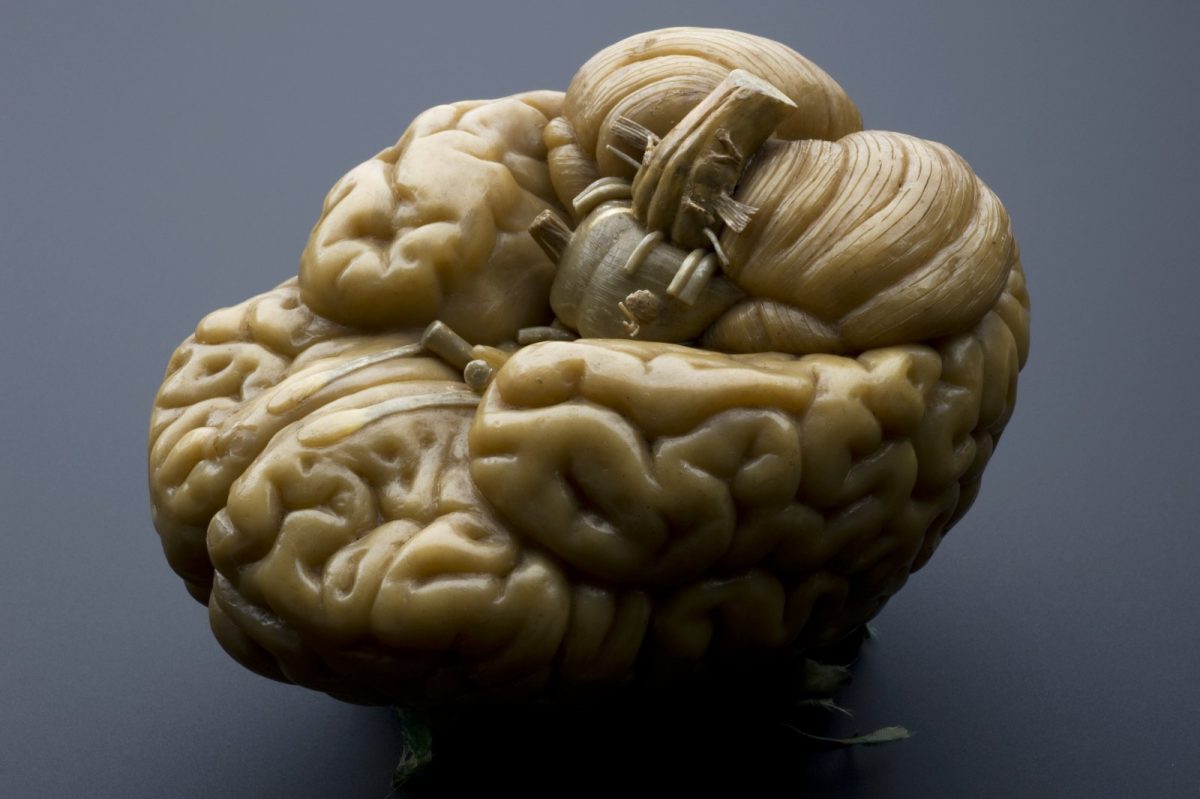
To understand why cannabis interacts with PTSD, we must look into the brain’s functional anatomy. Brain regions dense in CB1 cannabinoid receptors are critical for emotional regulation and memory: the hippocampus (memory formation), the prefrontal cortex (executive control), and, most notably, the amygdala (the hub for emotional and fear responses).
The amygdala is the epicenter of the stress response. In PTSD, this structure is frequently hyperactive. Endogenous and exogenous cannabinoids modulate synaptic transmission in these regions, which theoretically could yield an anxiolytic or calming effect. Nevertheless, the interplay between the plant’s diverse compounds (THC, CBD) is complex: while THC can induce anxiety at higher doses or in individuals with genetic vulnerability, cannabidiol (CBD) tends to mitigate these adverse effects and exerts distinct anxiolytic properties of its own.
Clinical Evidence: The Case for Nabilone
Pharmacological research has explored synthetic alternatives to harness endocannabinoid mechanisms without the variability of whole-plant material. A prominent drug in this field is nabilone, a synthetic THC analog approved in several countries.
Accumulated data suggest that low doses of nabilone can be effective in reducing insomnia and nightmares associated with PTSD. A landmark 2014 clinical trial involving a significant cohort of male patients showed that treatment with this synthetic cannabinoid not only improved dream-related symptoms, but also allowed participants to reduce reliance on other potent medications with severe side effects, such as certain opioids or antipsychotics. Subsequent studies have supported these findings in specific populations, though researchers emphasize that more controlled trials are necessary to standardize dosing and clarify long-term safety profiles.
Harm Reduction and Critical Appraisal
Given the possibility of using cannabinoids as therapeutic adjuncts, adopting a rigorous harm reduction approach is imperative:
- Strict medical supervision: Medical cannabis use for PTSD should never be self-managed. It requires an accurate diagnosis and continuous monitoring by specialized clinicians.
- Product profile: Chemical composition is decisive. CBD-dominant products or balanced ratios may offer benefits without the psychotropic risks associated with high THC concentrations, particularly in vulnerable patients.
- Clinical history assessment: It is essential to screen for genetic predispositions to psychotic disorders before starting any treatment with psychoactive cannabinoids. Drug interactions between cannabis and other psychiatric medications must also be thoroughly reviewed.
- Realistic goals: The therapeutic goal is not the total eradication of trauma, but rather improving quality of life, alleviating nighttime suffering, and facilitating engagement with psychotherapies like cognitive behavioral therapy.
Toward an Integrated Approach at Psiconáutica
Cannabis is not a magic cure for PTSD, but neither should it be dismissed out of hand from the therapeutic toolkit. Current scientific evidence points to a specific role for cannabinoids, particularly in the symptomatic management of nightmares and insomnia, provided they are used with appropriate safety and caution.
True innovation lies in integrating these pharmacological insights with established psychological therapies. Meanwhile, the debate over therapeutic cannabis access continues to evolve, driven by the need to prioritize patient health and well-being over outdated moral or regulatory barriers. At Psiconáutica, we will continue to critically examine scientific progress in this field, always distinguishing between popular myths, emerging hypotheses, and established clinical evidence.
Managing trauma requires compassion, but it also demands scientific precision. The path toward more humane medicine means exploring every available avenue with eyes open to the evidence, free from oversimplification and unfounded promises.


