

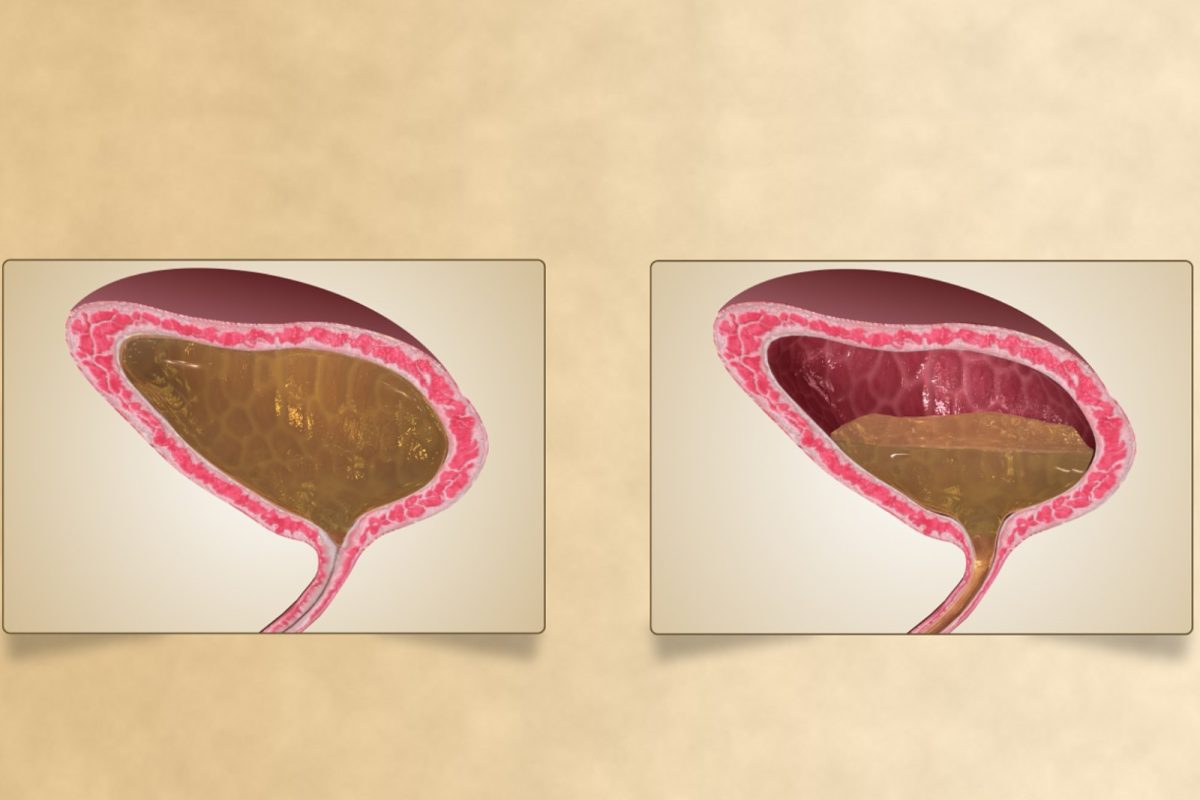
Involuntary loss of urine is not merely a physical nuisance; it is a significant barrier that affects the autonomy, dignity, and psychological well-being of those who suffer from it. This condition can stem from neurological damage, anatomical anomalies, or muscle dysfunction in the bladder. When conventional therapies reach their limit, the question arises as to whether cannabinoids might offer a viable alternative. The answer is not a simple yes or no, but rather lies in understanding the physiology of the problem and rigorously reviewing what current science says.
In brief
- Mechanisms of action: Cannabinoids act on receptors in the central and peripheral nervous system, modulating the sensitivity of the detrusor (bladder muscle) and reducing pain.
- Clinical evidence: A controlled trial in patients with multiple sclerosis showed improvements in bladder control and quality of life after using whole-plant extracts or isolated cannabinoids.
- Current limits: Evidence is primarily concentrated on degenerative neurological pathologies; there is no consensus for routine use in stress incontinence or prostate issues without further studies.
- Risk reduction: The approach must always be multidisciplinary, prioritizing safety and avoiding interactions with other urological medications.
Pathophysiology: Why does control fail?
To understand if a treatment might work, one must first diagnose it correctly. Urinary incontinence is not a single entity; it manifests in different ways depending on the underlying cause:
Detrusor instability
This type occurs when the smooth muscle of the bladder (detrusor) contracts inappropriately, creating urgency and leakage before one can reach the bathroom. It is common in neurodegenerative diseases such as multiple sclerosis or Alzheimer’s, where nerve signals are altered.
Overflow and obstruction
Here, the bladder does not empty completely due to prostatic hypertrophy (common in older men), urethral strictures, or anatomical anomalies. The result is post-void residual urine that eventually overflows.
Bladder pain and chronic pain syndrome
There is an inflammatory and neuropathic component where the bladder perceives pain signals even without being excessively full. In this context, cannabinoids have shown particular interest due to their analgesic capacity.
What clinical studies say
Scientific literature offers promising clues, though with important nuances regarding who they apply to.
The multiple sclerosis trial (CAMS-LUTS)
One of the most relevant works was the multicenter, randomized study known as CAMS-LUTS. It evaluated the effect of cannabis on urge incontinence in patients with multiple sclerosis. The results indicated that treatment with cannabis (whether THC, CBD, or a mixture) significantly improved urgency symptoms and quality of life compared to a placebo.
It is crucial to highlight that this study focused almost exclusively on patients with multiple sclerosis. Although there were cases of spinal cord injury, extrapolation to other causes of incontinence (such as stroke or simple prostatic hypertrophy) still lacks robust validation.
Studies on bladder pain
Another relevant area of research comes from the University of Pittsburgh Medical Center, where results were published in animal models. It was observed that cannabis derivatives could suppress pain associated with an inflamed or damaged bladder. This suggests therapeutic potential for patients with interstitial cystitis or chronic bladder pain syndrome, although these findings require confirmation in humans.
Risk reduction and critical reading
Although the data are encouraging, caution is mandatory. Before considering the use of cannabinoids for this purpose, several factors must be weighed:
- Diagnostic specificity: Not all types of incontinence respond the same way. A patient with overflow due to prostatic obstruction might not benefit as much as one with neurogenic urgency.
- Dose and formulation: The relationship between THC and CBD is complex. While THC has psychoactive effects, CBD appears to modulate inflammation without altering consciousness. The optimal balance varies by patient.
- Side effects: Sedation, dizziness, or changes in blood pressure can interfere with mobility and increase the risk of falls, especially in older people or those with pre-existing physical limitations.
- Drug interactions: Many patients take anticholinergics or other bladder medications. Cannabinoids can potentiate adverse effects like extreme dry mouth or urinary retention if not monitored properly.
Therefore, the use of cannabinoids should be considered as a complementary option in cases refractory to other treatments, never as a first-line approach without a complete urological evaluation.
Toward a comprehensive approach
Urinary incontinence is a complex problem that requires comprehensive solutions. Conventional pharmacology has failed many patients, but that does not mean other paths do not exist. Cannabinoids represent a therapeutic promise based on real physiological mechanisms: pain modulation, reduction of spasticity, and improvement of nerve signaling.
However, science advances step by step. What is a small controlled trial today could become a standard clinical guideline for specific populations tomorrow. In the meantime, the informed patient should work with their specialist physician, providing all information about their history and current symptoms.
At Psiconáutica, we understand that behind every symptom is a person seeking to regain their dignity and autonomy. The search for safe and effective alternatives is legitimate, but it must be guided by evidence and caution. The future of functional urology could integrate these natural compounds into combined protocols, always under expert supervision.
If you or someone close to you suffers from this condition and current options have not worked, consult with a medical cannabis specialist who understands both pharmacology and urological pathophysiology. The answer may lie in the balance between the known and the emerging, always prioritizing your overall health.


