

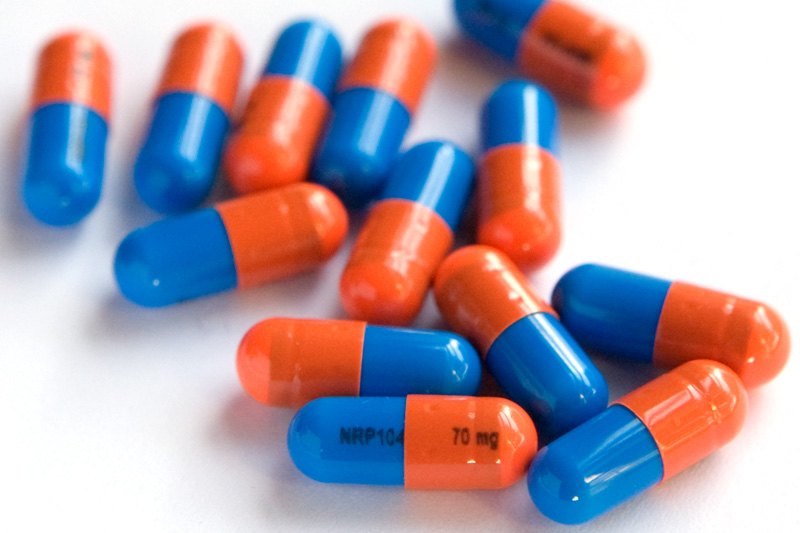
The history of rimonabant is a stark testament to the limits of modern pharmacology and the complexity of the endocannabinoid system. This compound, designed as a molecular surgical tool against obesity and addiction, ultimately demonstrated that blocking certain biological pathways can have unpredictable consequences for human emotional balance. Its trajectory—from the euphoria of clinical trials to its definitive withdrawal for safety reasons—offers fundamental lessons on how our brain receptors interact with exogenous substances.
In brief
- Mechanism of action: Rimonabant acted as an antagonist, blocking CB1 receptors to reduce appetite and the sensation of reward.
- Therapeutic promise: It was initially marketed in Europe under the name Acomplia® to treat obesity associated with metabolic syndrome and smoking cessation.
- Critical risk: Inhibition of brain receptors led to a high incidence of major depression, anxiety, and suicidal ideation in treated patients.
- Global withdrawal: Following confirmation of the psychiatric risk, the European Union withdrew the drug in 2008, and studies on similar molecules were halted.
- Current lesson: Research has shifted toward compounds that do not cross the blood-brain barrier to avoid neuropsychiatric effects.
The endocannabinoid system: A complex biological map
To understand the impact of rimonabant, it is necessary to look at the underlying physiology. The human body possesses its own chemical communication system, the Endocannabinoid System (ECS), present in all vertebrates. This system regulates vital functions such as appetite, pain, memory, and mood through specific receptors: CB1, located primarily in the central nervous system, and CB2, present in immune cells.
Naturally, this system is activated by molecules produced by our own cells, known as endogenous ligands, such as anandamide and 2-arachidonoylglycerol. These compounds act as chemical messengers that modulate our response to the environment. The cannabis plant contains compounds (like THC) that mimic this natural structure, binding to and activating CB1 receptors.
In pharmacology, we distinguish between two fundamental types of interaction with these receptors: agonists and antagonists. Agonists, such as dronabinol or nabilone, bind to the receptor and activate it, mimicking or enhancing the natural effect. Conversely, antagonists are molecules that occupy the receptor site without activating it; they act as plugs, preventing other substances (such as natural endocannabinoids) from performing their function.
The birth of a drug: Rimonabant and Acomplia®
In 1994, science identified the first antagonist of the endocannabinoid system. Its original chemical name was so intricate that it required technical memorization, but it soon received a more accessible trade name: rimonabant. Developed by the French laboratory Sanofi-Aventis, this drug was introduced to the European market under the brand name Acomplia®.
The therapeutic strategy was bold and logical from a basic metabolic perspective. Given that natural cannabinoids stimulate appetite and promote weight gain, an antagonist should produce the opposite effect: suppressing hunger and accelerating metabolism. Initial results in animals confirmed this hypothesis; furthermore, an improvement in metabolic parameters such as insulin resistance and cholesterol levels was observed.
Initial approval was extensive. In June 2006, the European Medicines Agency authorized its use not only for simple obesity but specifically for obesity associated with metabolic syndrome (type 2 diabetes, hypertension, dyslipidemia). Countries like Spain were pioneers in its commercialization. Likewise, its utility in treating smoking was investigated, with the promise of helping smokers quit without suffering the weight gain typical of withdrawal.
The psychiatric shadow: The unexpected turn
A few months after its launch, clinical reality began to diverge from initial expectations. During clinical trials and the commercialization phase, alarming patterns were detected in the drug’s safety profile. Patients taking rimonabant showed a significantly higher incidence of adverse psychiatric events.
The reported symptoms were not mild: they included episodes of major depression, severe anxiety, persistent insomnia, and cognitive impairment. Most concerning was the emergence of suicidal ideation and suicide attempts in patients who had begun treatment with good prior mental health. These adverse effects appeared even when patients had no known psychiatric history.
The European Medicines Agency (EMA) intervened quickly. In June 2007, it warned of the need to restrict its prescription to people without a psychiatric history or treatment with antidepressants. However, an independent committee of experts reviewed the data and concluded that the risk was doubled compared to a placebo. Between June and August 2008, the European Union recorded several confirmed cases of suicide associated with the drug.
Faced with this irrefutable evidence, the EMA withdrew the marketing authorization for rimonabant in October 2008. This decision had an immediate domino effect: other laboratories that had developed similar molecules with the same mechanism of action (such as Otenabant or Taranabant) abandoned their development projects, aware that the psychiatric risks were inherent to the pharmacological class.
Critical reflection: Separating the physical from the psychological
The case of rimonabant illustrates a fundamental difficulty in treating complex diseases like obesity or addiction. The endocannabinoid system is not a simple switch; it is an integrated neural network that regulates both physiological functions (digestion, pain) and psychological processes (motivation, reward, mood).
By blocking CB1 receptors throughout the body to reduce appetite, the drug also affected brain receptors. This demonstrates that the blood-brain barrier does not always effectively protect the brain from exogenously designed molecules if they have an affinity for specific receptors. The cannabis plant and its synthetic derivatives can easily cross this barrier, which explains both their therapeutic benefits (nausea, pain) and their psychoactive effects.
From a harm reduction perspective, this episode underscores the importance of understanding the complete mechanisms of action before approving a drug. An ideal treatment should act selectively on the peripheral pathways responsible for the symptom (such as appetite) without interfering with the brain networks that regulate mental health.
The future: Peripheral molecules and new strategies
Despite the withdrawal of rimonabant, research did not stop. The lesson learned has guided the development of a new generation of compounds. The current goal is to design antagonists or modulators that act on cannabinoid receptors but are incapable of crossing the blood-brain barrier.
Recent studies with molecules like TM38837 have shown in animal models and cell cultures that it is possible to achieve metabolic effects without activating brain receptors. If these compounds demonstrate their efficacy and safety in human clinical trials, they could offer a real therapeutic alternative for resistant obesity, avoiding the psychiatric tragedies associated with rimonabant.
Editorial conclusion
Rimonabant leaves us with a legacy of scientific prudence. It reminds us that the human body is an integrated system where the physical and the mental are inextricably linked. The search for solutions to problems like obesity must be accompanied by rigorous monitoring of side effects, especially those related to mental health.
At Psiconáutica.org, we always defend a balanced approach based on evidence and critical awareness. Pharmacological advances are vital to improving quality of life, but they must be evaluated through the prism of the patient’s overall well-being. History teaches us that sometimes, what seems like a perfect solution from the laboratory can reveal deep vulnerabilities in our biology when tested in clinical reality.
Science advances, but it learns from its mistakes. Rimonabant was a necessary step to better understand our endocannabinoid system and, above all, to protect the mental health of those seeking legitimate medical help.


