

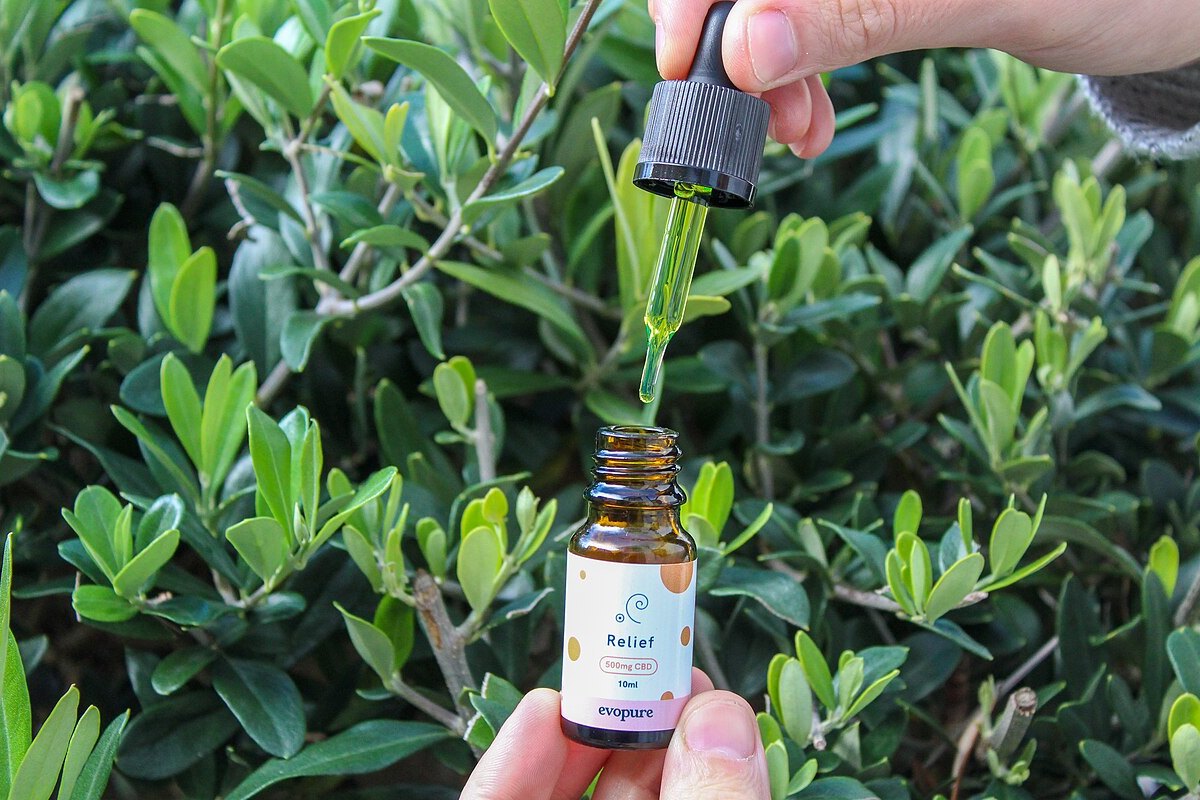
Alzheimer’s disease represents one of the most complex challenges facing modern medicine, marked by a progressive degeneration of brain tissue that impairs memory, language, and executive function. With rising life expectancies, millions of people worldwide confront this condition, prompting an urgent search for complementary and alternative therapies. Recently, reports have circulated regarding specific cannabis strains cultivated for therapeutic purposes—high in cannabidiol (CBD) and low in tetrahydrocannabinol (THC)—promising benefits for dementia. However, it is vital to distinguish the hope fueled by sensationalist headlines from current scientific reality.
In brief
- Mechanisms of action: The endocannabinoid system plays a regulatory role in the brain, offering anti-inflammatory and neuroprotective potential that could be relevant to degenerative conditions.
- Preliminary evidence: Most studies on CBD and Alzheimer’s have been conducted in cell cultures or rudimentary animal models; no confirmatory clinical trials in humans currently exist for this specific indication.
- Geriatric risks: Older adults represent a pharmacologically vulnerable population. A lack of data on long-term safety, dosing, and side effects makes current use experimental and risky without strict medical supervision.
- Harm reduction approach: Given the absence of proven efficacy, any therapeutic consideration must prioritize preventing drug interactions and preserving the patient’s clinical stability.
Pathophysiology and the Role of the Endocannabinoid System
To understand why cannabinoids are being investigated in this context, we must look to basic biology. Alzheimer’s disease is not a monolithic condition; it involves a complex cascade including the accumulation of amyloid plaques and tau neurofibrillary tangles, chronic central nervous system inflammation (neuroinflammation), and oxidative stress. Ultimately, these factors drive progressive neuronal death.
The human body possesses its own endocannabinoid system, composed of receptors (primarily CB1 and CB2), endogenous ligands, and synthesizing and degrading enzymes. This system acts as a crucial homeostatic modulator, regulating vital functions such as appetite, pain perception, memory, and, fundamentally, inflammatory responses.
The hypothesis driving current research suggests that exogenous cannabinoids could mimic or enhance these natural actions. Specifically, experimental models show that certain cannabinoid profiles can exert anti-inflammatory and antioxidant effects, theoretically shielding neurons from the progressive damage associated with Alzheimer’s.
The Specific Interest in Cannabidiol (CBD)
Within this landscape, cannabidiol has garnered significant media and scientific attention. Unlike THC, the primary psychoactive cannabinoid responsible for intoxicating or, at higher doses, anxiety-inducing effects, CBD lacks notable psychotropic activity. This quality makes it theoretically more appealing for patients with severe cognitive impairment, where THC-induced alterations in judgment or perception could prove counterproductive.
Furthermore, researchers hypothesize that CBD may interact with CB2 receptors located predominantly on glial cells (such as microglia), a key pathway for dampening neuroinflammation. It also exhibits anticonvulsant and anxiolytic properties, which is particularly relevant given that seizures and anxiety are common comorbidities in advanced stages of dementia.
Current State of Research: Between Promise and Uncertainty
Nonetheless, maintaining a critical perspective is essential. While compelling studies demonstrate the protective effects of CBD and CBD-rich extracts in cultured neurons and genetically modified rodent models of Alzheimer’s, the leap from these laboratory findings to clinical application is immense.
To date, no clinical trials approved by regulatory bodies (such as the FDA or EMA) conclusively demonstrate that CBD improves Alzheimer’s symptoms in humans. Most headlines touting high-CBD strains stem from preclinical research or biotechnology companies that have yet to complete the rigorous phases required to establish efficacy and safety.
Differentiating between a plausible scientific hypothesis and established therapeutic reality is crucial. While science advances, promoting CBD as a proven treatment for this disease is irresponsible. The complexities of geriatric pharmacokinetics—altered hepatic metabolism, decreased renal clearance—add further uncertainty regarding how elderly bodies process these compounds and what doses are genuinely safe.
Harm Reduction: A Prudent Approach
Given the current evidence, our focus must center squarely on harm reduction. For families facing a recent diagnosis, the urge to try alternative remedies is understandable amid the distress that often accompanies neurodegenerative disease.
Evidence-based and cautious recommendations include:
- Do not discontinue standard treatments: CBD must never replace anti-amyloid therapies, acetylcholinesterase inhibitors, or memantine prescribed by a neurologist. Abruptly stopping these medications can trigger irreversible clinical decline.
- Monitor drug interactions: CBD is metabolized in the liver via the cytochrome P450 enzyme system and can alter the efficacy or toxicity of common geriatric medications, including anticoagulants, antidepressants, and antihypertensives.
- Individualized evaluation: Every patient is unique. What is well tolerated by a healthy young adult is not necessarily safe for a frail older adult. The risk-benefit ratio must always be evaluated on an individual basis.
Until robust long-term safety data emerge, cannabinoid use in Alzheimer’s must be treated as experimental. If a patient and their family decide to explore this route under strict medical guidance, it is imperative to start with minimal doses and closely monitor for any behavioral or physical changes.
Conclusion: Hope Grounded in Scientific Rigor
Research into the endocannabinoid system and neurodegenerative disease holds genuine promise. Understanding how our bodies regulate inflammation and protect neural tissue paves the way for innovative future therapies. However, science does not advance through leaps of faith or the hasty adoption of products marketed through sensational headlines.
At Psiconáutica.org, we consistently advocate for a balanced approach: recognizing future potential without overpromising on current evidence. For patients and families navigating the challenges of Alzheimer’s, the most valuable tool is accurate, up-to-date information free from commercial bias. Real support lies in pairing validated treatments with compassionate care for mental and physical health, while allowing science the time to deliver safe, proven answers.
Prudence is not pessimism; it is a profound respect for the complexity of the human brain and the dignity of those living with illness. Let us maintain hope, but keep it firmly anchored in evidence.