

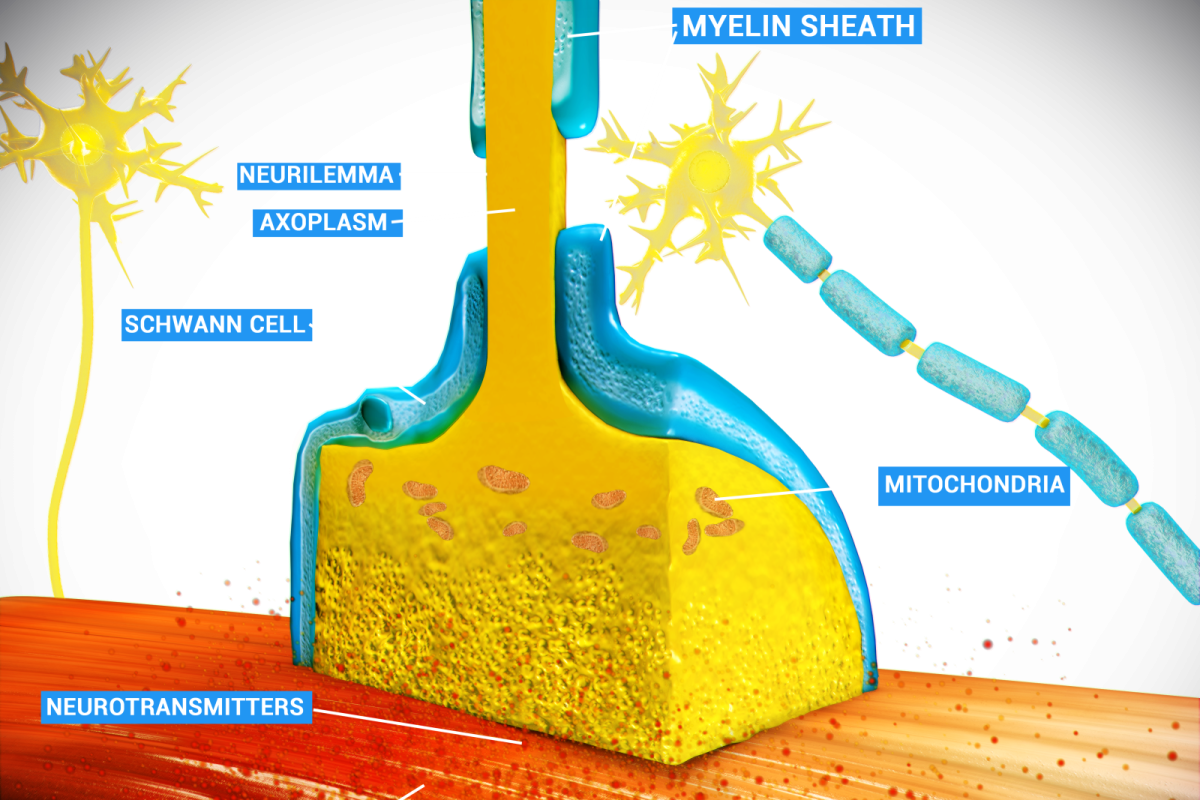
The human body possesses complex regulatory mechanisms, but sometimes the immune system fails to recognize its own structures, identifying them as foreign. When this occurs, autoimmune processes are triggered that can devastate vital tissues. One of the most fascinating and challenging examples in contemporary neurology is Isaacs-Mertens syndrome, also known as neuromyotonia or continuous muscle fiber activity syndrome. This rare condition causes constant activation of the nerve fibers that innervate muscles, resulting in persistent stiffness, involuntary contractions, and generalized fasciculations. For patients like Pablo, a 48-year-old man who has battled debilitating symptoms for two years without finding immediate relief from conventional medication, the search for therapeutic alternatives is an urgent necessity. In this context, medical cannabis emerges not as a magic panacea, but as a promising pharmacological tool whose efficacy must be evaluated with scientific rigor and clinical prudence.
In brief
- Mechanism of action: Cannabinoids act on CB-2 receptors involved in regulating the immune system, which is key in autoimmune diseases like neuromyotonia.
- Clinical evidence: A documented 2010 case shows dramatic improvement following the use of dronabinol (synthetic THC) in a patient with an advanced stage of the disease.
- Individual variability: Response to treatment is heterogeneous; what works in one case may not be effective in another, requiring strict medical supervision.
- Risks and precautions: The use of cannabinoids carries side effects such as sedation or transient cognitive impairment that must be managed under professional control.
- Comprehensive approach: The ideal therapy combines cannabinoids, traditional immunomodulators, and physical therapies to address muscle stiffness from multiple fronts.
Pathophysiology of neuromyotonia: why don’t the muscles rest?
To understand the potential of cannabis in this disorder, it is necessary to delve into its pathophysiology. Isaacs-Mertens syndrome is characterized by a dysregulation of nerve transmission at the neuromuscular level. Nerve fibers send contraction signals continuously and abnormally, preventing the muscle from entering a relaxation phase. This creates a state of permanent tension.
Symptoms are varied and can affect any muscle group in the body. The most common include severe stiffness, painful cramps, and increased sweating. Depending on the distribution of the affected receptors, the disease can manifest with varying degrees of severity: from generalized contractures in the arms and legs to specific alterations that compromise swallowing or speech due to the involvement of pharyngeal muscles.
From an immunological perspective, this disorder is classified within the spectrum of autoimmune diseases. The immune system mistakenly attacks the body’s own components, generating an inflammatory environment that perpetuates neuromuscular damage. This is where modern pharmacology finds an interesting turning point: type CB-2 cannabinoid receptors.
The role of CB-2 receptors in immunomodulation
CB-2 receptors are not exclusive to the central nervous system; they are widely distributed in immune cells. Their primary function is to maintain homeostatic balance and regulate inflammatory responses. In autoimmune diseases, where the immune system is out of control, the activation of these receptors could theoretically help “calm” the body’s aggressive response against itself.
Cannabinoids, both endogenous and exogenous (such as those derived from cannabis or their synthetic analogs), have the capacity to modulate this activity. They do not act simply as sedatives; they interact with biological machinery to influence how immune cells communicate and respond to stimuli. This immunomodulatory property is the scientific basis supporting therapeutic interest in cannabinoids for cases of neuromyotonia.
The case of dronabinol: a lesson of hope with nuances
Clinical history offers concrete examples that illustrate both the possibilities and the limitations of this approach. In 2010, a relevant study was published in international medical literature (Meyniel C et al., Clin Neurol Neurosurg, 2011) that recounts the case of a patient with a severe, advanced stage of Isaacs-Mertens syndrome.
This individual had exhausted other therapeutic options without achieving satisfactory control of his symptoms. After starting treatment with dronabinol—the synthetic pharmaceutical form of tetrahydrocannabinol (THC)—he observed a remarkable transformation in his condition. After three weeks, the improvement was described as significant and dramatic, allowing the patient to regain muscle functionality that seemed lost.
It is crucial to interpret this finding with due scientific skepticism. This is an isolated case, not a large-scale controlled trial that allows for generalizing efficacy to all patients. However, in medicine, especially in rare diseases where options are limited, these individual cases provide valuable data on human biological response.
Dronabinol is not a recreational substance; it is a controlled medication with known psychotropic effects. Its therapeutic use requires strict medical prescription and constant monitoring to avoid adverse effects such as anxiety, nausea, or mood alterations.
Harm reduction: a guide for the patient
Given that there is no universal consensus on the efficacy of cannabis in all stages of Isaacs-Mertens syndrome, it is imperative to adopt a harm reduction approach. If this therapeutic path is considered, the following principles should be followed:
- Specialized medical supervision: Never start or adjust doses without the supervision of a neurologist or medical cannabis specialist who knows the complete clinical history.
- Therapeutic diversification: Cannabinoids should not abruptly replace other immunomodulatory treatments (such as corticosteroids or immunosuppressants) without a planned transition, unless otherwise indicated by a physician.
- Entourage effect and formulations: Although the cited case used dronabinol (pure THC), research suggests that combinations of cannabinoids could offer distinct therapeutic profiles. However, in complex neurological diseases, the purity of a drug is sometimes preferred to isolate effects.
- Monitoring side effects: Excessive sedation can increase the risk of falls in patients with pre-existing muscle weakness. It is vital to adapt doses to the time of day and avoid dangerous activities while under the influence of the medication.
Toward a more informed therapeutic future
Isaacs-Mertens syndrome represents one of those challenges where science advances step by step, often guided by individual cases that open new doors. Current evidence suggests that cannabinoids deserve to be considered as a complementary or alternative therapeutic option in patients with neuromyotonia refractory to other treatments.
Nevertheless, prudence is the best ally. Promising miraculous cures would be irresponsible and contrary to the principles of Psiconáutica. The reality is nuanced: some patients experience profound relief, while others may not respond or may experience adverse effects. The key lies in the personalization of treatment and a deep understanding of how cannabinoids interact with each person’s specific immune system.
Research continues. Each new study, each case documented like the one from 2010, contributes to building a more precise map for navigating these complex diseases. For patients seeking answers, the combination of hope grounded in science and clinical caution is the only reliable compass.
At Psiconáutica, we understand that behind every diagnosis is a person with unique needs. Knowledge about Isaacs-Mertens syndrome and its potential interaction with cannabinoids should not be an end in itself, but a tool to empower patients and their families in making informed decisions, always under the protective shadow of scientific rigor and medical ethics.
References
- Meyniel C, Ollivier Y, Hamidou M, Péréon Y, Derkinderen P. Dramatic improvement of refractory Isaacs’ syndrome after treatment with dronabinol. Clinical Neurology and Neurosurgery, 2011.
- Nagarkatti P, Pandey R, Rieder SA, Hegde VL, Nagarkatti M. Cannabinoids as novel anti-inflammatory drugs. Future Medicinal Chemistry, 2009.
- Al-Chalabi M, Hegde P, Moore SR, et al. Systematic Review of the Clinical Characteristics and Management of Isaac Syndrome. Journal of Clinical Neuromuscular Disease, 2023.
Educational content written from a harm reduction perspective and with respect for individual freedom. It is not a substitute for advice from a healthcare professional and is not intended to encourage or condemn any drug use.


