

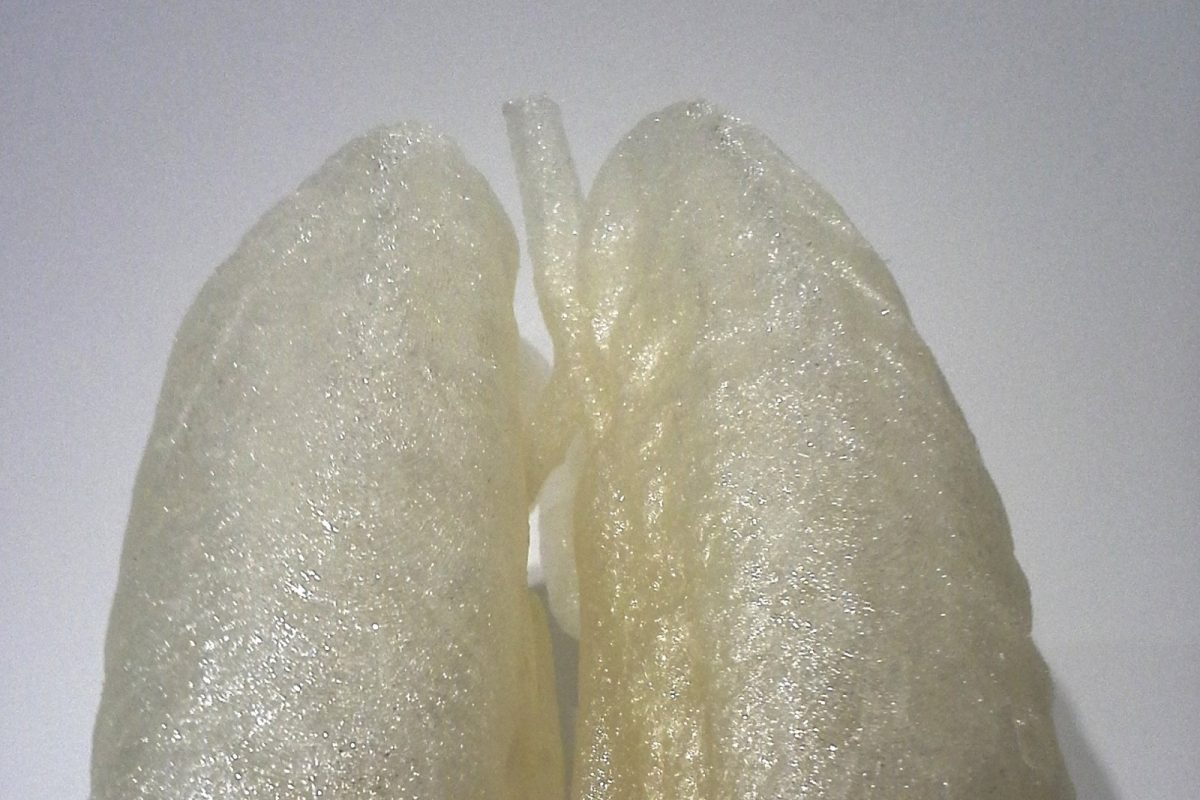
Public perception regarding cannabis use is often clouded by unfounded fears or myths that do not align with clinical reality. However, when addressing specific respiratory conditions like chronic bronchitis, it is imperative to distinguish between rigorous scientific evidence and generalizations based on tobacco habits. Contrary to what popular culture or alarmist rhetoric might suggest, current data does not directly link exclusive cannabis use to the development of this serious lung pathology.
In brief
- No direct link: Current evidence suggests that smoking cannabis alone does not cause chronic bronchitis, although it may trigger mild, temporary symptoms.
- Crucial differentiation: The real risk lies in mixing it with tobacco or in prolonged, heavy use—factors that must be evaluated separately.
- Symptoms vs. pathology: Coughing and phlegm after cannabis use are physiological responses to acute irritation, not necessarily signs of irreversible chronic disease.
- Vaporization efficiency: Using vaporizers eliminates toxic particles and drastically reduces the impact on the upper respiratory tract.
- Importance of filters: While not infallible, using filters can attenuate exposure to mechanical irritants, a logical harm reduction measure.
The context: chronic bronchitis and risk factors
To understand the relationship with cannabis, we must first look at the pathophysiology of the disease. Chronic bronchitis is defined by persistent inflammation of the airways that leads to irreversible structural changes: fibrosis of lung tissue, smooth muscle hyperplasia, and the loss of cilia responsible for clearing the respiratory tree.
Tobacco is the overwhelming cause of these cases, accounting for 80–90% of the etiology. In Spain, millions of people suffer from this condition, representing a significant burden on the healthcare system and quality of life. It is essential to understand that the lungs have defense mechanisms; when this system is saturated with constant irritants, those defenses collapse.
Cannabis is not tobacco. Although they share a route of administration (smoking), their chemical composition differs substantially. The difficulty in separating these two factors in epidemiological studies has created confusion: many users mix both substances or consume tobacco simultaneously, which distorts results if not rigorously controlled.
What the data says: systematic reviews and key studies
Science advances through the accumulation of evidence. A fundamental tool is the systematic review, which synthesizes multiple studies under standardized criteria. In this field, a relevant study published in Archives of Internal Medicine (Tetrault et al., 2007) analyzed more than 34 studies on the impact of cannabis on lung function.
The findings were nuanced and revealing:
- Short-term effects: Bronchial dilation (bronchodilation) was observed after acute use, similar to the effect of certain cough medications.
- Long-term effects: No airflow obstruction was detected in exclusive cannabis users. Spirometry, the standard test for diagnosing chronic bronchitis, showed stability in these groups over long periods.
Another pioneering study led by Dr. Donald Tashkin (UCLA) compared tobacco smokers, cannabis smokers, and those who used both. The results confirmed that exclusive cannabis users did not show functional deterioration comparable to that of tobacco smokers. Cannabis smoke particles tend to deposit in larger airways, whereas tobacco affects the small bronchioles, where most irreversible structural damage occurs.
The toxicity myth: in vitro versus in vivo
Claims circulate about studies declaring cannabis “seven times more toxic” than tobacco. It is crucial to analyze the methodological context of such conclusions. Many of these trials were conducted in vitro—that is, in cell cultures or bacteria like Salmonella. While useful for identifying specific chemical components, these tests do not replicate human physiology or the body’s defense mechanisms.
Furthermore, the funding and sponsorship of certain research can influence the interpretation of results. Science requires objectivity; when data that contradicts preconceived hypotheses is silenced, or studies with methodological biases are highlighted, public perception is distorted. At Psiconáutica, we adhere to systematic reviews and meta-analyses conducted by independent scientific consensus.
Respiratory symptoms: a sign of disease?
It is common for users to report coughing, phlegm, or wheezing after smoking cannabis. These symptoms are real but must be interpreted with caution. They represent an acute inflammatory response to the mechanical and chemical irritation of the smoke, not necessarily the onset of a chronic disease.
Chronic bronchitis involves permanent structural changes that persist even after quitting smoking. The mild, transient symptoms observed in exclusive cannabis users lack this progressive and irreversible characteristic. Nevertheless, repeated irritation can be uncomfortable and affect the user’s comfort, which justifies seeking cleaner alternatives.
Harm reduction strategies
Respiratory health is not a binary concept; there is a spectrum where we can act to minimize harm. Two tools currently stand out:
- Vaporization: This technology heats cannabis until it releases its active ingredients without burning it, avoiding the generation of tar and toxic solid particles. Studies show that modern vaporizers effectively eliminate lung irritants, offering a superior safety profile.
- Use of filters: While not infallible, filters can reduce the amount of large particles entering the airways. It is a simple and logical measure to attenuate the mechanical impact of smoke.
It is also vital to avoid mixing cannabis with tobacco or contaminated hashish. The purity of the material and the hygiene of the devices are determining factors in preventing secondary infections and cumulative damage.
Conclusion: balance between pleasure and prudence
The relationship between cannabis and chronic bronchitis is complex, but the evidence suggests that exclusive use does not carry the same risks as tobacco. However, this does not exempt one from adopting a responsible stance. Lung health depends on factors such as the intensity of the habit, the quality of the material, and inhalation techniques.
At Psiconáutica, we promote an approach based on scientific evidence, far from unfounded fear or denialism. Recognizing that mild symptoms exist without implying serious disease allows users to make informed decisions. Vaporization remains the safest option for preserving the integrity of the respiratory system while enjoying the therapeutic or recreational properties of cannabis.
Awareness of these nuances is the first step toward sustainable and healthy consumption. Remember that every body responds uniquely, so listening to your organism and adjusting your habits is always the best medical strategy available today.