

The relationship between cannabis use and educational success is one of the most polarized topics in the public discourse on drugs. For decades, a simplistic narrative has been propagated that equates the use of this plant with inevitable school failure. However, reducing such a complex issue to a slogan—as if it were a self-evident truth—prevents us from assessing individual realities and the scientific nuances necessary for informed decision-making.
In brief
- No single direct causality: Cannabis is not the only determinant of academic performance; socioeconomic, family, and psychological variables all play a role.
- Real but limited neurocognitive effects: Evidence indicates alterations in short-term memory that are dose-dependent and reversible after periods of abstinence.
- The age factor is crucial: Early onset of use presents higher risks due to brain immaturity, beyond purely neurobiological arguments.
- Blame vs. Context: Attributing school failure exclusively to the substance ignores underlying problems such as anxiety, depression, or unfavorable educational environments.
Media myths and real data: a critical reading
In 2009, the presentation of the second report of the Clinical Commission on Cannabis by the National Plan on Drugs generated sensationalist headlines. Media outlets highlighted figures such as “only 2% of young users earn a university degree” compared to 38% of non-users. Although the figure seems alarming, a detailed reading of the original study reveals essential nuances.
The 1.9% figure for university graduates corresponded exclusively to those who had consumed cannabis in very high quantities (more than 400 times before age 21). When correcting this statistical interpretation, the graduation rate among moderate users was closer to 21.5%. The difference compared to non-users existed, but it was not as abysmal as the newspaper front pages suggested. This example illustrates how the combination of official references and sensationalist headlines can distort public perception regarding real risks.
Correlation does not imply causation
In biomedical sciences, it is fundamental to distinguish between statistical association and causal relationship. A recent study compared the body mass index of people who read nutritional labels versus those who do not. The former had a lower BMI. Does this mean that reading labels causes weight loss? Probably not; rather, it indicates that those who read labels tend to have healthier eating habits and greater nutritional awareness.
Similarly, the association between cannabis use and poor academic performance may be mediated by multiple factors. Variables such as family socioeconomic status, school relationships, classroom climate (urban or rural), household income, hours dedicated to other activities, and parental involvement decisively influence learning. Furthermore, concurrent psychological problems such as anxiety or depression can predispose individuals to both cannabis use and poor academic performance.
Neurocognitive effects: memory and learning
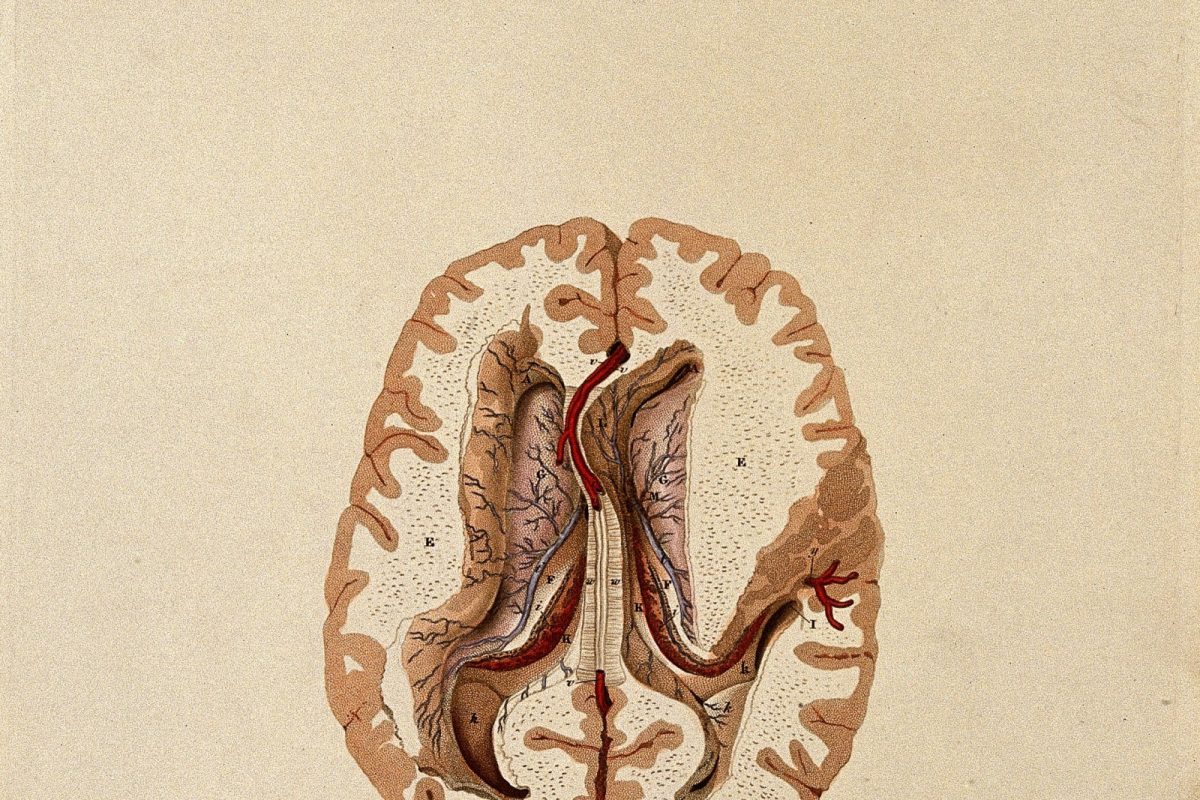
It is undeniable that cannabis affects certain brain functions. Areas involved in the consolidation of knowledge, such as the hippocampus, are rich in cannabinoid receptors. Scientific evidence, in both animals and humans, confirms that this substance can alter memory processes.
It is crucial to differentiate between types of memory: remembering a phone number (immediate memory) is not the same as studying for an exam (short-term memory) or recalling childhood memories (remote memory). Studies indicate that cannabis primarily affects short-term memory, which is necessary for learning new concepts and retaining information temporarily. This effect is dose-dependent: the higher the frequency and intensity of use, the more pronounced the alterations will be.
An exhaustive meta-analysis concluded that, although the effect on memory is “undoubted,” its magnitude is small compared to alarmist messages. Most importantly from a practical standpoint, these effects are reversible. Numerous university students who enjoy cannabis are aware of this reality: they often abstain for several weeks or months before intensive exam periods to regain full cognitive functionality.
The vulnerability of the adolescent brain
There is a consensus among professionals that early onset of substance use, whether legal or illegal, increases risks. Neurobiological arguments based on the immaturity of the adolescent brain are often invoked to explain this greater susceptibility. However, it is curious to observe how these arguments are selectively applied to illicit drugs, while drugs like amphetamine derivatives can be legally prescribed at early ages.
The differences between legal and illegal substances are more moral and cultural than pharmacological. Adolescent vulnerability lies not only in biology but also in psychological and social factors. Emotional maturity, the ability to resolve conflicts, and self-regulation of emotions are skills that develop over time. Trying substances like alcohol or cannabis at age 13 versus age 25 implies very different psychological contexts: an adolescent may be seeking social validation or escapism from unresolved problems, while an adult usually does so in contexts of conscious leisure.
A more mature personality allows for better management of substance effects, integrating them as part of leisure without them becoming mechanisms to resolve deep anxiety. Conversely, when use arises as a response to unmanaged emotional problems, the risk of dependence and functional deterioration increases significantly.
Harm reduction and critical reading
Given the complexity of the phenomenon, it is vital to adopt a harm reduction approach. Blaming cannabis exclusively for school failure is simplistic and counterproductive. Behind many patterns of intensive adolescent use lie underlying problems: family difficulties, bullying, lack of academic motivation, or undiagnosed mental disorders.
The most effective strategy to protect academic performance is not to demonize the plant, but to foster an educational and family environment that promotes mental health, manages emotions appropriately, and offers alternatives to consumption. Education about the real effects of the substance—without alarmism or minimization—empowers young people to make informed decisions.
At Psiconáutica, we understand that knowledge is the primary tool for prevention. Knowing how our brain works, what factors influence our learning, and what the real (not exaggerated) risks are allows us to navigate this topic with prudence and clarity. The goal is not to prohibit or stigmatize, but to promote responsible use when one decides to consume, and to support those struggling with school failure regardless of their habits.
Life is complex by definition; reducing multifactorial problems like academic performance to a single substance is ignoring reality. As the saying goes: “When the wise man points to the moon, the fool looks at the finger.” We must look beyond the tip of the iceberg and address the deep causes that affect both consumption and learning.


