

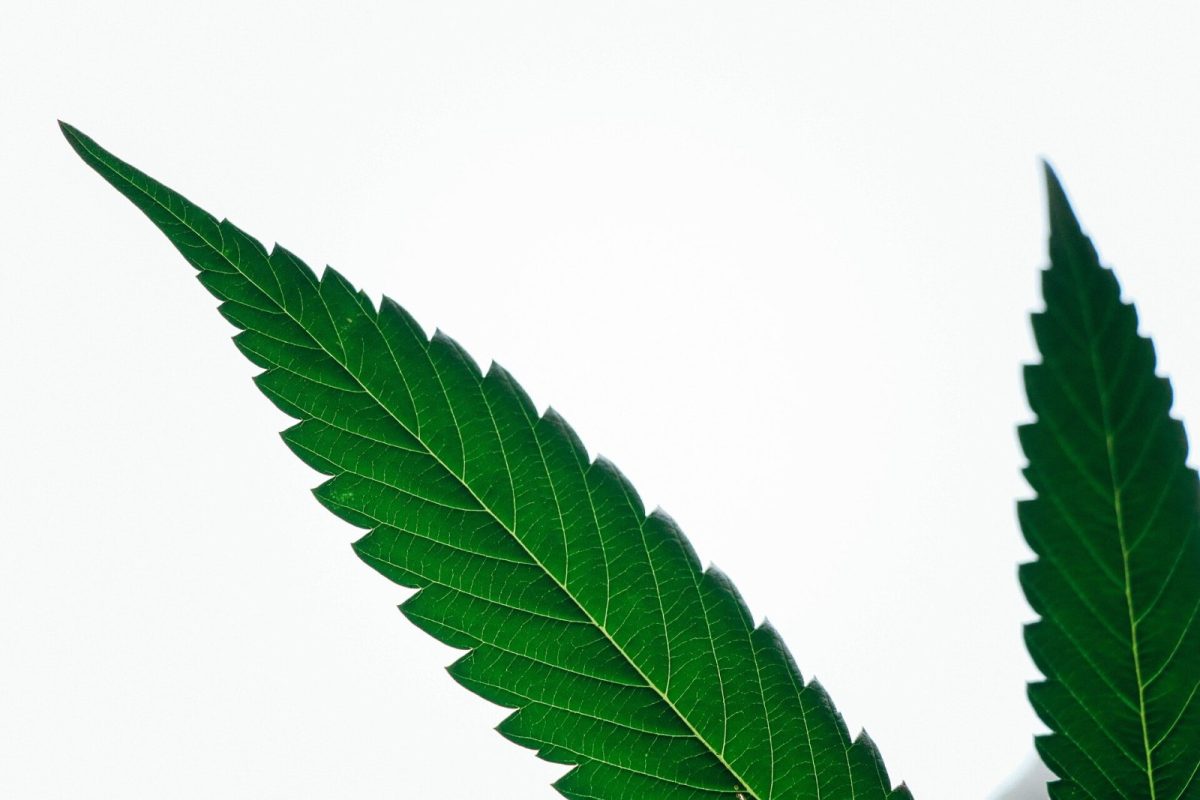
Popular perception of the cannabis plant tends to focus almost exclusively on two compounds: tetrahydrocannabinol (THC) and cannabidiol (CBD). However, reducing the complexity of this species to a simplistic binomial is scientifically inaccurate. Cannabis phytochemistry reveals a much richer landscape, populated by a diversity of molecules that interact with one another to generate specific pharmacological effects.
In this article, we delve into the study of minor cannabinoids and the terpene family. Far from being mere secondary aromatics, these compounds possess their own biological activities and can modulate the body’s therapeutic response. Below, we review the available evidence on substances like cannabigerol (CBG) and analyze how chemical profiles influence the safety and efficacy of using this plant.
In brief
- Minor cannabinoids: Substances such as CBG, CBC, or CBN with pharmacological profiles distinct from THC and CBD, currently studied in preclinical models.
- CBG: Known as the “mother molecule,” it acts on different receptors (CB1, CB2, serotonergic) without inducing the classic psychoactive effects of THC.
- Role of terpenes: Volatile compounds responsible for aroma that also exert anti-inflammatory, anxiolytic, and neuroprotective functions.
- Entourage effect: The synergy between cannabinoids and terpenes can enhance therapeutic benefits or mitigate adverse effects like THC-induced anxiety.
- Precautionary approach: Most data come from animal or cell studies; clinical application in humans requires rigorous trials and medical supervision.
The chemical complexity of the plant
The most recent phytochemical reviews have identified up to 554 distinct compounds in cannabis, distributed between cannabinoids and terpenes. It is crucial to understand that not all varieties contain the same chemical profiles or in the same concentrations.
Many of these active principles are found only at specific stages of the plant’s life cycle or in specific varieties. Obtaining preparations rich exclusively in minor cannabinoids is often technically complex and economically expensive. Nevertheless, scientific interest has grown significantly following initial successes with THC and CBD.
The scientific community now seeks to understand how the combination of these compounds—the so-called entourage effect—can offer therapeutic advantages superior to those provided by isolated synthetic drugs. This holistic approach is fundamental to advancing toward a safer and more personalized cannabis pharmacology.
Cannabigerol (CBG): An emerging protagonist
Within the cannabinoid family, cannabigerol (CBG) stands out for its uniqueness. Chemically, it is the precursor from which other important cannabinoids like THC and CBD are synthesized in the plant.
Differentiated mechanisms of action
Unlike THC, which acts primarily as an agonist of CB1 receptors (which explains its psychoactive effects), CBG presents a more complex pharmacological profile. It acts as a partial antagonist at CB1 and CB2 receptors, partially blocking their activation.
Furthermore, CBG interacts with other neurotransmission systems, including alpha-2-adrenergic receptors (related to the stress response) and 5HT1A serotonergic receptors. This ability to modulate multiple biological pathways suggests a broad therapeutic potential, possibly useful in disorders such as glaucoma or certain psychiatric conditions.
Preclinical evidence and limitations
Research on CBG has been developed mostly in animal models. Studies have demonstrated its efficacy in reducing intraocular pressure, a property relevant for the treatment of glaucoma, without causing the intoxication effects associated with high doses of THC.
However, it is imperative to maintain a critical criterion regarding these conclusions. Experiments that induce “depression” in mice through stressful procedures and medication cannot be directly extrapolated to human clinical depression. Human existential distress has a psychological and social complexity that animal models do not replicate.
Therefore, although results such as the antidepressant effect observed in rodents are promising, they must be interpreted with caution until controlled clinical trials in humans are available. Science advances step by step, and patient safety is the priority.
Therapeutic potential: Tumors and infections
CBG has shown specific antitumor activity in certain types of cancer, such as squamous cell carcinoma or prostate tumors. In cell models, its efficacy seems notable, especially when combined with CBD.
Another area of interest is bacterial infections resistant to traditional antibiotics, known colloquially as “superbugs” (for example, methicillin-resistant Staphylococcus aureus). Both CBG and other cannabinoids have been shown to inhibit the growth of these strains in in vitro studies.
These findings are preliminary and are based on cell models. They should not be interpreted as an immediate alternative to standard antibiotics, but rather as promising lines of research for future combination drugs or adjuvants.
Terpenes: Aroma and pharmacological function
Beyond THC and CBD, the plant contains a vast range of terpenes. These volatile organic compounds are responsible for the characteristic aromas (citrus, coniferous, floral) and also contribute to the plant’s defensive properties against insects.
In processed cannabis, terpenes represent a smaller percentage by dry weight, but their concentration is high in fresh trichomes. Their volatility means they are easily lost during inadequate drying or extraction processes, which underscores the importance of preservation techniques to maintain their properties.
Synergistic interactions
Modern pharmacology suggests that terpenes are not mere spectators. They can modulate the absorption and effect of cannabinoids, enhancing or attenuating their therapeutic action.
Notable examples:
- Limonene: Associated with citrus aromas, it has demonstrated anxiolytic properties in animal models and antitumor potential. Its presence could help counteract THC-induced anxiety.
- Beta-myrcene: Known for its relaxing and sedative effects, it possesses anti-inflammatory and analgesic activity. It is common in varieties indicated for insomnia or chronic pain.
- Pinene: Typical of conifers, it acts as a bronchodilator and has antibiotic properties. Some studies suggest it could improve short-term memory affected by THC, although this remains a hypothesis under investigation.
Other terpenes such as D-linalool (anticonvulsant), B-caryophyllene (anti-inflammatory), or nerolidol have also been the subject of study. The coincidence of their properties with those of cannabinoids suggests that the natural combination in certain strains could offer a more complete and balanced therapeutic profile.
Risk reduction and critical reading
It is fundamental to approach the use of these compounds from a harm reduction perspective. THC, especially at high doses, can exacerbate symptoms of anxiety, paranoia, or insomnia in vulnerable individuals.
However, selecting varieties with low THC concentrations and high ratios of CBD along with specific terpenes (such as limonene) could mitigate these risks. This approach allows for exploring the therapeutic properties of cannabis while minimizing psychiatric adverse effects.
It is crucial to distinguish between current scientific evidence and commercial expectations. Many claims about miracle cures lack backing in rigorous clinical trials. Evidence-based medicine requires waiting for the results of controlled studies to confirm efficacy and safety before recommending specific treatments.
Conclusion: Toward a more conscious pharmacology
The study of minor cannabinoids and terpenes opens new doors in the field of psychopharmacology. Far from being a passing fad, this line of research responds to a real need to diversify the therapeutic options available.
As science advances, it is likely that specific varieties or ideal chemical combinations will be identified for specific pathologies. However, the immediate future requires patience and scientific rigor. Promising discoveries in animal models must be validated in humans before becoming standard treatments.
At Psiconáutica.org, we promote a culture of informed and responsible consumption. Understanding the chemical complexity of the plant allows us to make more conscious decisions about its therapeutic or recreational use. Awareness of the active components is the first step to leveraging their benefits while minimizing associated risks.
Research continues, and with it, our understanding of how these molecules interact with our body. Staying up to date with scientific developments, without falling into unfounded speculation, is the best way to integrate this knowledge into a healthy and balanced life.


