

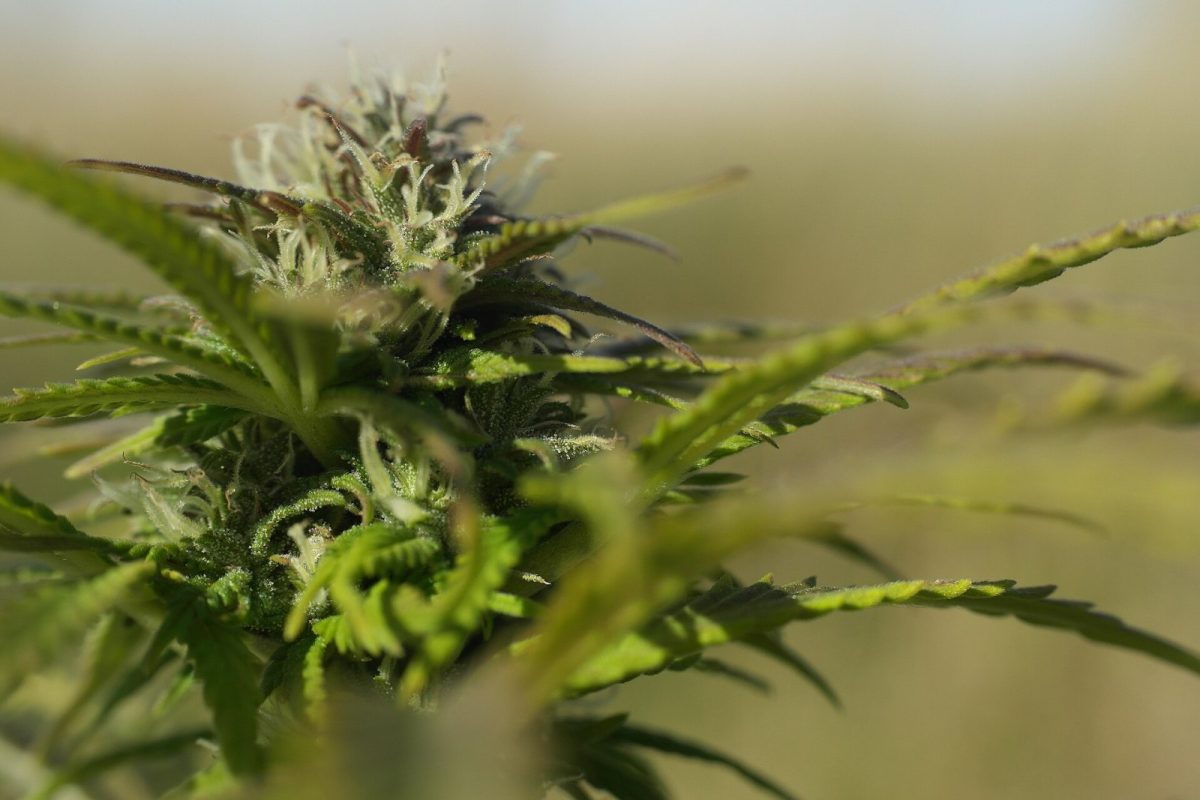
Public perception of cannabis-based medicine tends to focus almost exclusively on two molecules: tetrahydrocannabinol (THC) and cannabidiol (CBD). However, reducing the complexity of the Cannabis sativa plant to these two substances is a conceptual error that limits our understanding of its true therapeutic potential. Current scientific research leads us to explore a much richer molecular universe, where hundreds of compounds cooperate to generate specific biological effects.
In brief
- Chemical diversity: The plant contains more than 100 distinct cannabinoids, in addition to terpenes and flavonoids that modulate their effects.
- Acid forms: THCA and CBD-A are psychoactively inactive but possess unique antiproliferative and antimicrobial properties.
- CBN and THCV: Compounds with roles distinct from THC; the former in neuroprotection and the latter in appetite regulation and epilepsy.
- Complex mechanisms: Some cannabinoids act on non-endocannabinoid receptors, such as the vanilloid TRPV1 channels.
- Pharmacological future: The industry is researching these molecules to develop next-generation drugs with improved safety profiles.
The chemical complexity of the plant
Although THC and CBD are the cannabinoids that appear in the highest concentration in C. sativa and C. indica varieties, they should not be considered the only relevant actors. More than 113 distinct cannabinoids have been identified, the expression of which varies according to the plant’s genetics and environmental factors such as light, temperature, or subsequent processing.
In addition to these compounds derived from cannabigerolic acid (cannabinoids), there are other fundamental chemical groups: terpenes, terpenoids, and flavonoids. These molecules give cannabis its characteristic aromatic profile—such as limonene in citrus varieties—and its specific colors. But beyond the taste or smell for the consumer, some of these compounds fulfill biological functions that could be harnessed therapeutically.
The acid forms: THCA and CBD-A
In the fresh plant, the predominant cannabinoids do not exist in their classic active form. THC is found as tetrahydrocannabinolic acid (THCA) and CBD as cannabidiolic acid (CBD-A). These acid forms are chemically stable at room temperature but require heat to convert into their psychoactive analogs.
This decarboxylation process is crucial: it explains why fresh cannabis does not produce typical psychotropic effects and why oral preparations (oils, butters) must be heated beforehand. However, science has discovered that these acid forms possess therapeutic properties independent of their ability to convert into THC.
THCA, for example, has been shown to have antiproliferative activity, meaning it inhibits uncontrolled cell growth. In experimental models, this property is fundamental for slowing the proliferation of cancer cells. Likewise, studies suggest it could be more effective than THC or CBD in regulating the endocannabinoid system for pain management, activating this system through different mechanisms.
On the other hand, the CBD-A present in seeds has shown significant antimicrobial activity. This property is not inherent to decarboxylated cannabidiol and opens new avenues for the development of natural or complementary antibiotic agents.
Cannabinol (CBN): The product of oxidation
Cannabinol (CBN) has a fascinating history. Isolated in 1896, it was the first purified cannabinoid, and for decades it was erroneously attributed the primary psychoactive properties of the plant. Subsequent research clarified that it is an oxidation product of THC: as the plant dries or the product oxidizes over time, THC converts into CBN.
CBN lacks significant psychoactivity and activates CB1 and CB2 receptors with a potency approximately ten times lower than that of THC. Although its clinical applications remain a subject of study, research in animal models of neurodegenerative diseases suggests interesting potential for the treatment of pathologies such as Amyotrophic Lateral Sclerosis (ALS), possibly acting as a neuroprotective agent.
Delta-9-tetrahydrocannabivarin (THCV): A dual modulator
THCV, first detected in 1970, presents a unique pharmacological profile: its effect is dose-dependent. At low concentrations, it acts as an antagonist or partial agonist of CB1 receptors, partially neutralizing the psychoactive effects of THC and reducing appetite. Conversely, at higher doses, it can activate these same receptors.
This duality has led to clinical trials that have evaluated its safety in healthy humans, demonstrating a favorable toxicology profile even at high doses. Furthermore, studies in diabetic models indicate that it improves insulin sensitivity, a property it shares with other anti-obesity drugs, albeit without the psychiatric adverse effects associated with its predecessors.
Currently, large pharmaceutical laboratories are developing combined formulations of CBD and THCV for the treatment of pediatric epilepsy and metabolic disorders. Applications in type II diabetes and certain neurodevelopmental disorders are also being explored.
Cannabidivarin (CBDV) and Cannabichromene (CBC)
Cannabidivarin (CBDV), isolated in 1969, has recently gained relevance after demonstrating antiepileptic activity in animal models. It is being investigated for the treatment of Rett syndrome and other rare epilepsies, with some health authorities even being asked to consider it an orphan drug.
Cannabichromene (CBC), although less abundant, acts on receptors other than the classic endocannabinoid ones, specifically the TRPV1 and TRPA vanilloid channel family. Studies suggest that its combination with CBD enhances the analgesic effect and could normalize gastrointestinal disorders such as diarrhea without causing constipation, a common problem in other treatments.
Harm reduction and critical reading
It is essential to approach this topic from a responsible public health perspective. Research into minor cannabinoids should not be interpreted as an invitation to self-medicate or to seek miraculous substitutes without medical supervision.
- Evidence vs. Promise: Many of the cited data come from preclinical studies (rats, mice) or very small pilot trials in humans. What works in an animal model does not automatically guarantee clinical efficacy in complex patients.
- Dosage and Safety: The variability in the concentration of these compounds between batches of cannabis makes it difficult to standardize precise therapeutic doses without the strict control of a certified pharmaceutical laboratory.
- Interactions: Adding additional cannabinoids to existing treatments can modify their metabolism. It is always necessary to consult a specialist before introducing new compounds into a therapeutic regimen.
The idea of obtaining therapeutic effects without a psychoactive component is, undoubtedly, an important pharmacological advantage for patients who require continuous treatment or who are sensitive to the effects of THC. Nevertheless, prudence requires distinguishing between current hypotheses and consolidated clinical applications.
Editorial closing
Medicinal cannabis represents one of the most exciting fields of modern pharmacology. Far from being a simple herb with two active ingredients, it is a complex chemical system where each molecule seems to have its place in the organism’s great biological orchestra.
Research into these other cannabinoids reminds us that nature has designed sophisticated solutions for complex problems. The challenge for current science is not only to identify these substances but to achieve their standardization and safe access for those who need them. At Psiconáutica, we will continue to follow advances in this field closely, always prioritizing rigorous scientific evidence, harm reduction, and the patient’s comprehensive well-being.
Awareness of the plant’s complete pharmacology allows us to make more informed decisions that are respectful of our mental and physical health. The future of cannabis-based medicine is promising, but it requires patience, rigor, and a holistic vision that goes beyond sensationalist headlines.


