

In brief
- A single 100-microgram dose of LSD in an orally disintegrating tablet reduces generalized anxiety more effectively than a placebo in a 214-person phase 3 trial.
- The difference emerged within the first week and persisted at twelve weeks: least-squares mean Hamilton changes were −11.6 versus −6.2 with placebo.
- These are preliminary results reported by the company and have not yet undergone peer-reviewed scientific publication.
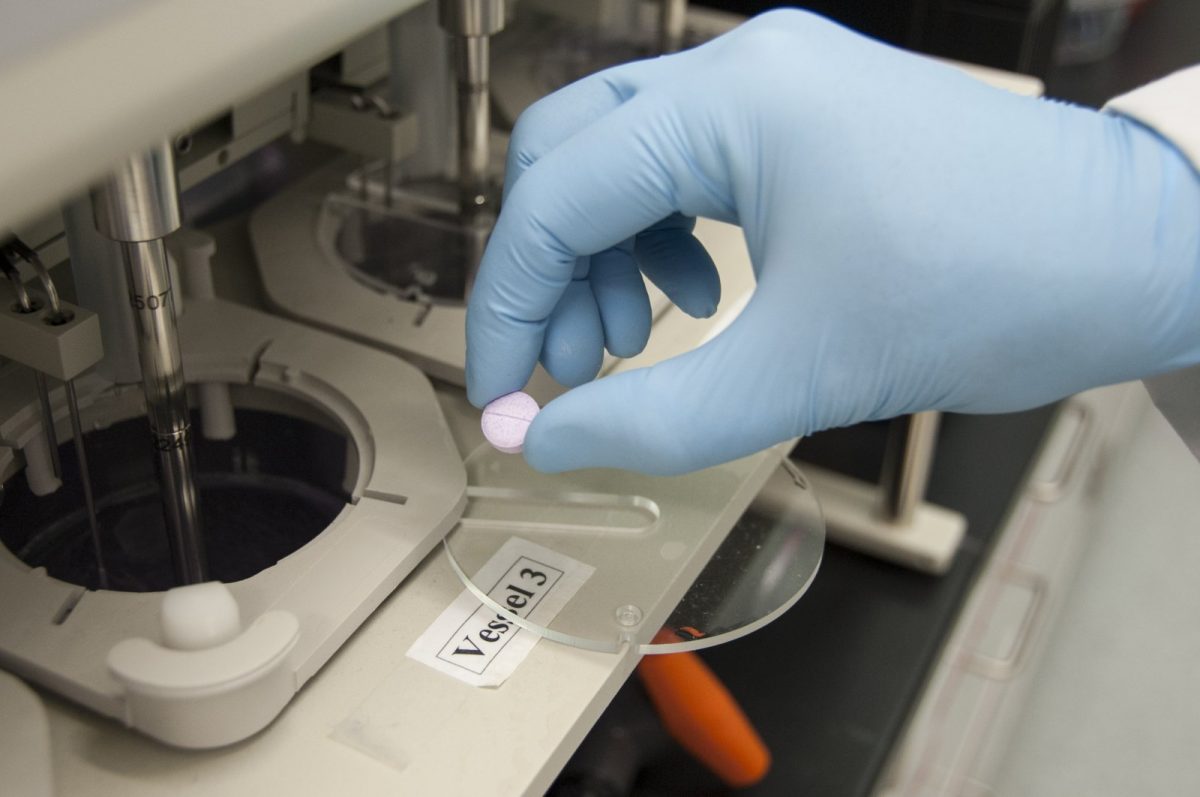
The American pharmaceutical company Definium Therapeutics has announced the topline results of Voyage, a phase 3 clinical trial comparing an LSD tablet against a placebo in individuals with generalized anxiety disorder. With 214 participants split equally between the two arms, it is one of the largest studies conducted to date with this substance in a clinical setting.
One dose, twelve weeks of follow-up
The design is straightforward: a single 100-microgram dose of DT120—the name the company gives to its LSD orally disintegrating tablet—versus a placebo, with follow-up over twelve weeks and a subsequent open-label extension. Participants were between 18 and 74 years old, had a confirmed diagnosis of generalized anxiety disorder, and were recruited from approximately 35 centers across the United States. No repeated doses or complicated protocols: one session followed by observation. The mean time to meeting end-of-session criteria was 6.4 hours; that figure does not establish the actual duration of the stay.
Trial data
The primary endpoint, the change in the Hamilton Anxiety Rating Scale at week 12, showed a least-squares mean drop of 11.6 points with LSD compared to 6.2 with placebo, a difference of 5.4 points with a medium-to-high effect size. The benefit appeared early: by week 1, the difference was already 11.9 versus 4.2 points. Forty-three percent of those who took DT120 reduced their symptoms by at least half, compared to 16% in the placebo group, and 14% reached remission compared to 4%. Adverse effects were mild to moderate, transient, and concentrated on the day of dosing, with no new safety signals or indications of suicidal risk, according to the company. This is the second positive phase 3 reading for this molecule; in June, the company reported favorable results in major depressive disorder.
What this implies
These data should be read with the caution their origin warrants. These are topline results released by the company via a press release, without peer review or publication in a scientific journal, and the full analysis will arrive later. Definium has a second phase 3 trial in anxiety, Panorama, whose results were expected in September according to the August release, and will need the combined data to request approval from the US regulator. That said, the sample size and the magnitude of the effect are larger than in most previous psychedelic therapy trials, a field accustomed to studies of thirty or forty people. None of this changes the legal status of the substance outside of a trial, but it does bolster the evidence that LSD, in defined doses and contexts, has a role to play in mental health.
Source
- Definium Therapeutics. Positive Topline Results from Phase 3 Voyage Study of DT120 ODT in Generalized Anxiety Disorder. Company press release, August 12, 2026.
Educational content written from a harm reduction perspective and with respect for individual freedom. It is not a substitute for advice from a healthcare professional and is not intended to encourage or condemn any drug use.