

In brief
- MSICS Pharma is the only company licensed by the Israeli Ministry of Health to manufacture medical-grade psilocybin under GMP standards.
- The company has closed a $3.6 million funding round to scale production and accelerate trials for its MSX-06 candidate.
- The next step is a multicenter phase 2 trial for PTSD involving 100 patients across four hospitals, currently awaiting regulatory approval.
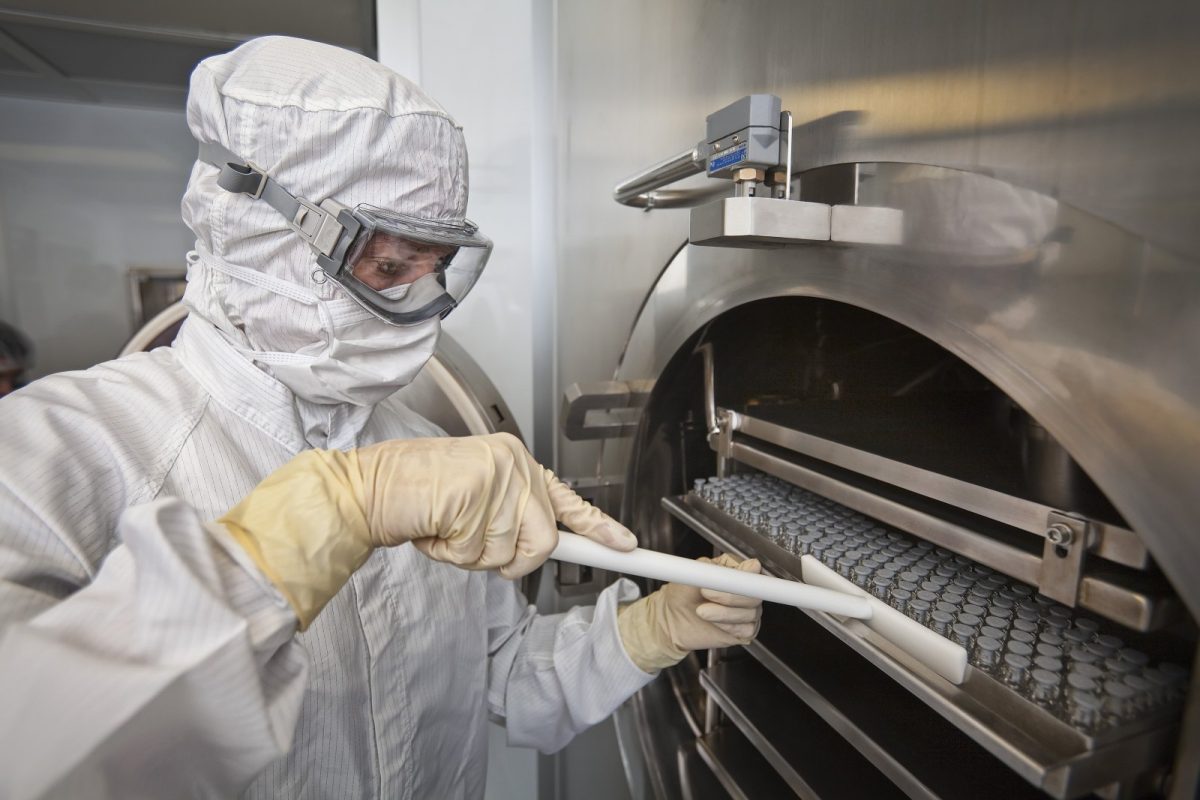
Israeli startup MSICS Pharma has closed a $3.6 million funding round, led by Fusion VC and GlenRock, to expand its psilocybin production capacity and advance its clinical program. The company is currently the only entity authorized by the country’s Ministry of Health to manufacture pharmaceutical-grade psilocybin under Good Manufacturing Practice (GMP) standards—the regulatory benchmark ensuring that every batch of medication is traceable and reproducible.
Who is behind it and where they stand
MSICS Pharma was founded by brothers Roei Zerahia, CEO, and Omer Zerahia, chief business officer, who previously led Canndoc, a medical cannabis company now listed on the Nasdaq. With a team of about twelve, the company is developing MSX-06, its medical psilocybin candidate, and claims to be in phase 2 trials in Israel for treatment-resistant depression and obsessive-compulsive disorder. The company itself has reported complete remission rates of up to 70% among treated depression patients; however, this figure should be viewed with caution as it stems from an ongoing, small-scale trial, was disseminated by the company itself, and lacks peer-reviewed publication for verification.
The next step: four hospitals and 100 patients
With the new capital, MSICS aims to accelerate a multicenter trial focused on post-traumatic stress disorder, designed to include 100 patients in collaboration with four Israeli hospitals. According to the company, the study is awaiting the necessary regulatory authorizations to begin. Looking ahead, the firm has signaled its intention to explore indications such as eating disorders. Part of the funding will also be used to expand the facility and prepare for potential supply to other markets.
What this implies
The relevant takeaway here is not the efficacy data anticipated by the company, but the industrial milestone: having a GMP-licensed facility means the psilocybin used in trials has certified purity and traceability—a prerequisite for any subsequent approval and still uncommon outside of North America. This bottleneck—who can legally manufacture the substance at pharmaceutical quality—explains much of the slow progress in psychedelic clinical research in Europe. It is also important not to confuse manufacturing permits with actual patient access; they are distinct issues, as illustrated by the case of Czechia, which legalized medical psilocybin while practical access remained stalled. The existence of regulated supply chains is good news for those seeking access to these substances with quality guarantees; what doors that supply opens, and for whom, is a political decision that does not depend on any factory.
Source
- Calcalist (CTech). Israeli startup bets on psychedelic mushrooms for mental health treatment. CTech by Calcalist, May 3, 2026.
Educational content written from a harm reduction perspective and with respect for individual freedom. It is not a substitute for advice from a healthcare professional and is not intended to encourage or condemn any drug use.


