

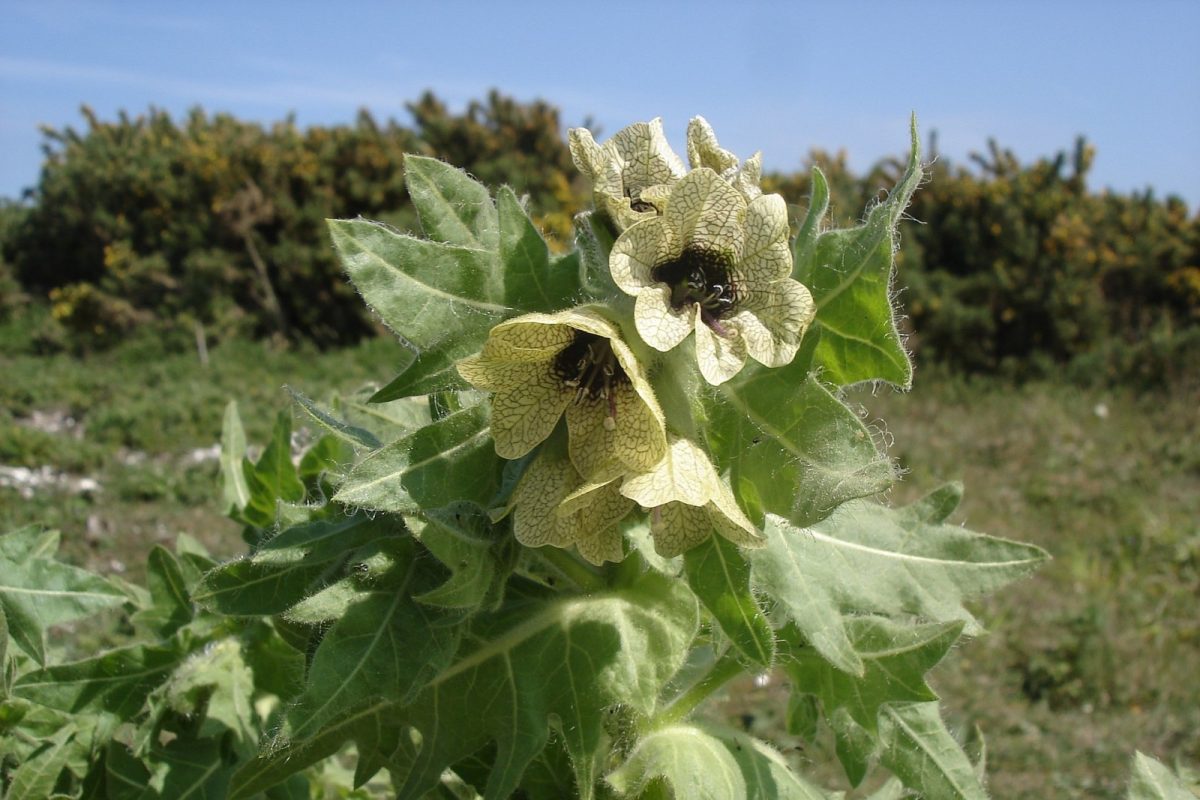
A Wild Herbarium Richer Than It Appears
When thinking of psychoactive botanical specimens, popular imagination typically travels to the Amazon rainforest or the Mexican deserts. Yet the diverse mosaic of Iberian microclimates—ranging from Mediterranean coastal scrub to arid highland steppes—supports a remarkable repertoire: several species of jointfir (ephedra), feral opium poppies escaped from pharmaceutical plantations, wild lettuces rich in bitter latex, Syrian rue blanketing dry regions, and a rare European relative of khat clinging to southeastern coastal cliffs.
Around this wild flora, an underground subculture has occasionally surfaced. In recent decades, observers reported seasonal foragers traversing Iberian geography tracking botanical phenology, practicing a sort of psychoactive transhumance. This phenomenon demands critical scrutiny: it is not innocent folklore, but an activity fraught with botanical ignorance, legal jeopardy, and acute health hazards. Documenting its existence is not an endorsement.
Accurate Identification Is Everything
The foundational rule of field botany is absolute: never touch or ingest any plant without definitive taxonomic certainty. The Iberian countryside is filled with deadly traps. Ephedra bushes easily mimic toxic broom species; deadly poisonous mushrooms sprout right alongside edible varieties; and many apiaceous or asteraceous species look virtually indistinguishable even to trained botanists. Foraging without local taxonomic keys and expert verification is reckless.
Compounding this uncertainty, seasonal rhythms are shifting unpredictably. Climate disruption advances or delays flowering and fruiting cycles annually, meaning traditional seasonal foraging guides cannot be relied upon as fixed calendars.
Iberian Ephedras: Three Species and a Dangerous Confusion
Three species of ephedra grow across the Peninsula, known locally as belchos or sea grapes. They are densely branched shrubs with an almost leafless appearance—their leaves are actually minute, reduced to fused scale-like sheaths—and they are dioecious, bearing separate male and female individuals.
Ephedra major (often referred to as slender ephedra, grouped with E. scoparia and E. nebrodensis) forms thickets up to two meters tall of rigid, slender green branches, bearing yellowish or orange fleshy cones measuring 5 to 7 mm. It inhabits limestone rocky slopes across eastern and central Spain—from Palencia to Granada, traversing La Rioja, Navarra, Aragón, Madrid, and Catalonia—and contains ephedrine concentrations around 0.69%. Ephedra fragilis displays a more sprawling, reed-like habit with brittle stems and scarlet-red berries of 8 to 9 mm. Ephedra distachya, the common sea grape, is a lower shrub reaching up to one meter, found on Mediterranean coastal dunes and interior river terraces.
Subcultural interest in these plants surged when European regulations restricted over-the-counter ephedra preparations and pharmaceutical ephedrine was placed under tight prescription control. This illustrates a classic pattern: when legal access closes, an opaque and hazardous informal market opens. Ephedra’s close resemblance to toxic broom plants makes wild foraging an exceptionally dangerous gamble.
Opium Poppy: An Uncomfortable Agricultural Legacy
Few people realize that some of Europe’s largest industrial opium poppy fields (Papaver somniferum) are located in Andalusia and Burgos, strictly cultivated by licensed agricultural firms for the legal pharmaceutical production of morphine and codeine. Feral populations continually escape these authorized fields, growing wild along roadsides and barren slopes. Analytical assays of this escaped material have recorded morphine levels as high as 20% in some specimens, illustrating extraordinary pharmacological potency and profound danger.
Additionally, the indigenous wild subspecies Papaver somniferum var. setigerum (often classified by botanists as a distinct species, P. setigerum) features bristly leaves and smaller seed capsules, containing average morphine concentrations between 2% and 7.3%. It grows wild across much of the Peninsula and Portugal, as cataloged in CSIC’s Flora Ibérica.
Here, a critical warning is paramount. Opioids rank among the most addictive compounds known, carrying fatal risks of respiratory arrest—hazards that skyrocket when consuming wild material of variable, unmeasured potency. Furthermore, trespassing on commercial or feral poppy plots is a criminal offense. We provide no extraction or preparation procedures because there is simply no safe method to improvise wild opioid dosing.
Wild Lettuces and the Myth of “Lactucarium”
The wild lettuces Lactuca virosa and Lactuca serriola (= L. scariola) exude a milky latex that, when dried, vaguely resembles hashish and has historically been credited with mild sedative effects. L. virosa is a biennial herb reaching up to two meters, with large basal rosette leaves, a purple-tinged prickly stem, and pale lemon-yellow flower heads. L. serriola is closely related but slightly smaller, with greyish seeds and vertically oriented prickly leaves; both species hybridize and are easily confused. Renowned Spanish botanist Pío Font Quer described them comprehensively in his classic treatise Plantas Medicinales.
The primary concern is misidentification: these lettuces can easily be confused with common sow thistle (Sonchus oleraceus) or common groundsel (Senecio vulgaris), the latter containing severe hepatotoxic pyrrolizidine alkaloids. Moreover, historical claims regarding lactucarium must be tempered: empirical clinical evidence for its sedative efficacy is sparse, reflecting herbal folklore rather than validated pharmacology.
Syrian Rue: A Plant Demanding Severe Pharmacological Caution
Syrian rue (Peganum harmala) grows abundantly on fallow land, arid embankments, and dry steppe across the Ebro Valley, the central Meseta, and the southeastern plains. It is a bushy perennial reaching up to one meter, with finely divided foliage, white five-petaled blossoms, and a pungent odor. Its seeds concentrate harmine and harmaline alkaloids at levels significantly higher than the Amazonian ayahuasca vine.
That chemical concentration is precisely what creates immense danger. Harmala alkaloids are potent monoamine oxidase inhibitors (MAOIs). This pharmacological activity carries life-threatening interaction risks with numerous pharmaceuticals—especially SSRI and SNRI antidepressants—as well as other psychoactive compounds and tyramine-rich aged foods, potentially triggering hypertensive crises or fatal serotonin syndrome. It is by no means a gentle botanical remedy; it is among the most pharmacologically unforgiving plants in Iberian botany.
Mediterranean and Canarian Khat: Stimulating and Endangered
Along the arid southeastern coastline between Murcia and Málaga, as well as in rocky ravines of Granada and Almería, grows European khat or Catha europaea (= Maytenus senegalensis var. europaea). Phytochemical analyses have detected stimulant alkaloids related to those found in East African khat (Catha edulis): cathinone and cathine. In the laurel forests of the Canary Islands grows a related species, Maytenus canariensis, historically chewed by pastoralists to stave off fatigue and hunger.
European khat is a heavily spined evergreen shrub growing up to two meters, with coriaceous leaves and reddish-brown seeds wrapped in a fleshy aril. Today, the overriding concern is not ethnobotanical utility, but ecological vulnerability: it is a protected, endangered species whose coastal habitat has been fragmented by intensive coastal development. Any harvesting imperils populations already in severe decline, an ecological reality that supersedes any psychonautic curiosity.
Critical Reading
This survey is provided strictly for botanical, ethnographic, and historical education. It documents that psychoactive Iberian flora exists and that real cultural practices surround it, but it in no way constitutes a foraging guide. Crucial realities must be remembered: misidentification can be lethal; compounds like opioids and MAOIs carry severe, documented medical hazards; wild harvesting of protected species is illegal; and several plants are endangered.
We cite established references from the botanical literature—CSIC’s Flora Ibérica, Pío Font Quer’s Plantas Medicinales, and Christian Rätsch’s ethnobotanical encyclopedias—without endorsing unverified folklore. For reliable safety and interaction data, scientific toxicology remains the sole valid authority, not anecdotal internet forums. In our next installment, we will explore other classical Iberian psychoactive organisms, including Amanita muscaria, native Psilocybe species, and naturalized San Pedro cacti.