

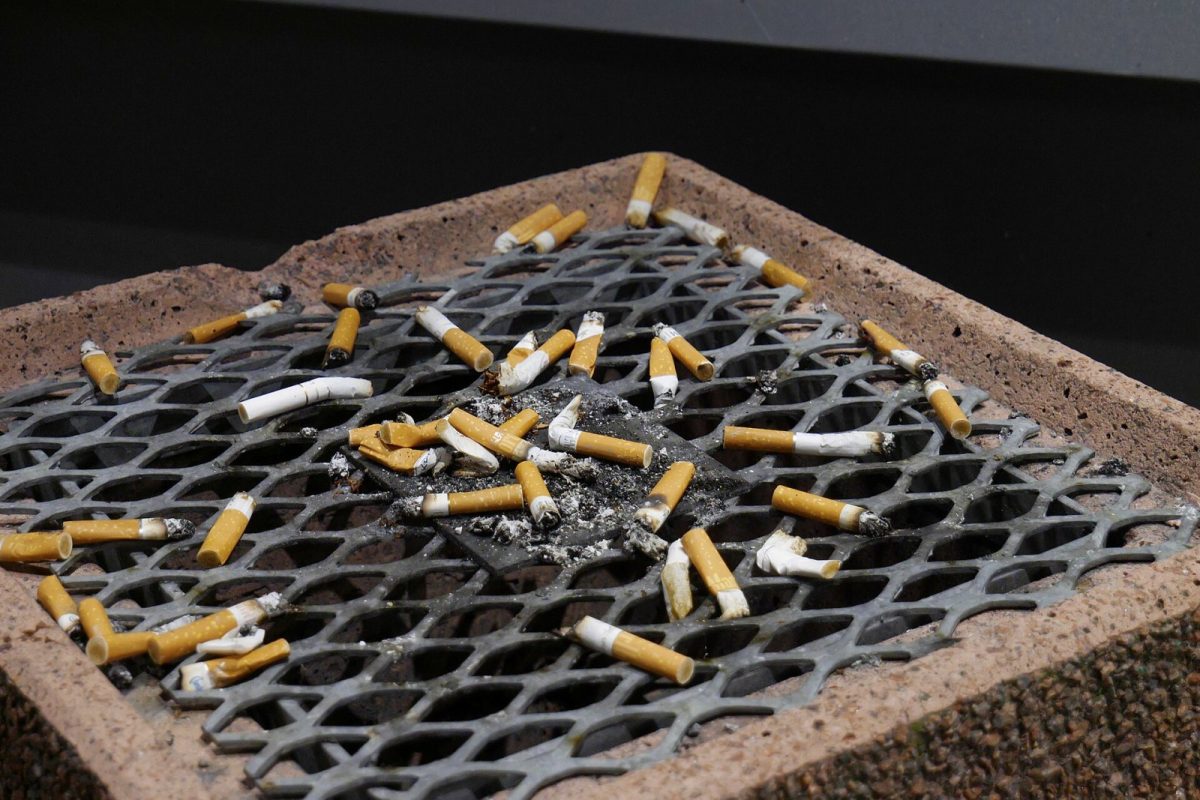
The cigarette no one truly enjoys
There is an intimate conversation almost every smoker has with themselves sooner or later: what exactly do I like about this? After nearly two decades of smoking, a reader summarized their answer in a single scene: the first puff of the day with a cup of coffee. There was no real pleasure before or after; quite the opposite. And if you look at it head-on, there wasn’t any during, either. That disproportion between what it costs and what it gives back is, perhaps, the first honest argument for considering quitting.
Tobacco dependence is powerful and tenacious, but it is not invincible. It is best not to exaggerate it to justify continuing to smoke, nor to minimize it to the point of viewing a relapse as a moral failure. What follows is the testimony of someone who quit using cannabis as support during the transition. We publish this as a personal experience—not as a clinical recommendation—and accompany it with the cautions missing from almost all accounts of this type.
The strategy described in the testimony
The approach this former smoker describes has two pillars. The first is not to cut nicotine cold turkey: maintain a substitute source (in their case, gums, though patches, sprays, or devices exist) and gradually reduce it to avoid adding chemical withdrawal symptoms to the main battle. The second is to use cannabis as a temporary crutch to maintain the act of smoking while dismantling the rest.
The nuance they emphasize is important: the first and last thing one fights is not the molecule, but the habit. The body detaches from nicotine in a matter of weeks; the behavior—the hand reaching for a cigarette when going outside, talking on the phone, or finishing a meal—persists for years. Many former smokers say that one remains a smoker for life, and some relapse after years without tobacco without any clear trigger. That automatism is the true adversary.
Cannabis as a transition crutch, not a substitute
The author of the account is a cannabis user and acknowledges that during the first phase—about a month—they allowed themselves to keep inhaling smoke occasionally because it relieved the behavioral craving. Their own description is eloquent: a puff of carcinogens that only partially calms. And that is the trap one should not avoid.
The main problem with smoked tobacco is combustion, and the combustion of cannabis generates many of the same toxic and irritating compounds. Changing plants does not eliminate that front. That is why the testimony itself insists that it does not propose cannabis as a replacement for cigarettes, but as a bridge toward smoking nothing at all. If that crutch becomes permanent, the goal has been lost along the way.
Withdrawal, anxiety, and why cannabis can backfire
Quitting nicotine brings a known list of effects: irritability, frustration, cravings, insomnia, changes in appetite and metabolism, often a few extra pounds, and almost always anxiety. Everyone manages it as they can—exercise, food, breathing, meditation—and here appears the warning the account does not hide: cannabis can increase that feeling of nervousness instead of calming it. The response depends heavily on the person, the timing, and the product, and in some cases, it worsens exactly what one wanted to alleviate.
The testimony mentions strains with higher CBD and lower THC ratios as a way to modulate those effects and reduce psychoactive alteration. It is a reasonable point at the experiential level, but it should be read with caution: clinical evidence on CBD for smoking cessation is still limited and inconclusive, the composition of what is purchased is rarely standardized, and “less subjective effect” does not equal “harmless” when one is still inhaling combustion smoke.
What about the addictive potential of cannabis?
Any honest account must name it. There are documented cases of cannabis dependence; minimizing them by comparing them to tobacco does not make them disappear. The underlying problem with this strategy is that one exits one dependence by relying on another substance, and that only makes sense if the crutch is truly temporary and is eventually removed. Replacing one daily habit with another is not quitting smoking: it is just changing the label.
When can one consider themselves free?
The account identifies a turning point around the third or fourth week, when the nicotine is almost gone. Many former smokers mark the first year without smoking as the symbolic date to consider themselves free. There is nothing magical or physiological about that figure, but as a goal, it works: it gives the mind structure during the period when relapse is most likely.
The horizon proposed by the testimony is consistent with its own logic: that over time, combustion gives way to smoke-free methods and, above all, that days where one consumes absolutely nothing multiply. Not a cigarette, not a drink, not cannabis. That base abstinence is what restores meaning and enjoyment to the exceptions, and what confirms that the dependence has been left behind.
Critical reading and harm reduction
It is important to separate personal experience from health recommendations. This article is the former. Some important clarifications:
- Smoke is the problem, no matter where it comes from. Replacing tobacco with smoked cannabis maintains exposure to combustion toxins. It is not a step toward lung health, but, at best, a transition phase that should be shortened.
- Cannabis is not a validated treatment for quitting smoking. The evidence is scarce and weak. There are, however, options with clinical backing—nicotine replacement therapies, behavioral support, prescribed medications—accessible through the healthcare system and smoking cessation helplines.
- Anxiety can worsen. In sensitive individuals, THC can increase nervousness, restlessness, or insomnia—the very withdrawal symptoms one intended to alleviate.
- Be careful about trading one dependence for another. The key to this strategy, according to the account itself, is that cannabis is a crutch and not the destination. If daily consumption is simply perpetuated, the goal has been diluted.
- Consult a professional. In the face of unpleasant symptoms, interactions, or doubts, speaking with a doctor or pharmacist is not a formality: it is the difference between experimenting blindly and doing so with information.
In closing, the phrase the author chose, attributed to Confucius, is fitting: “Vices come as passengers, visit as guests, and stay as masters.” The merit of quitting is not in finding a perfect substitute, but in not handing the keys to the house to any guest.