

Where We Left Off
The preceding installments of this series outlined the conceptual scaffolding of a regulatory framework designed to replace prohibition with a legal structure capable of managing drug use as an established human behavior, associated with perceived personal benefits as well as real risks. This fifth installment details concrete regulatory proposals. These should be approached as an exercise in policy architecture rather than an inflexible prescription or an encouragement to consume.
Steering Demand, Not Just Supply
The model proposes addressing consumer demand through a public health lens: encouraging overall healthy lifestyle choices and, within the realm of psychoactive consumption, favoring traditional preparations and botanical entheogens—such as unadulterated opium derivatives, whole coca leaf preparations, betel nut, and khat—over synthetic or semisynthetic compounds deemed potentially more prone to problematic use. An accompanying argument highlights sustainable economic development within producer countries. In tandem, health education would promote less damaging routes of administration for each substance.
This is arguably the most contentious element of the proposal, as it assumes a rigid dichotomy between “traditional” and “synthetic” that does not always withstand rigorous scientific scrutiny. We revisit this nuance in our critical analysis below.
What Stays Penalized and What Is Decriminalized
The framework redefines the boundaries of criminal and administrative sanctions:
- Penalties for simple possession and personal consumption are abolished, alongside routine stop-and-frisk street searches.
- Strict administrative fines are imposed for consumption in restricted public venues, as well as unlicensed manufacturing or illicit sales, mirroring standard regulations in other commerce sectors.
- Substance consumption is strictly prohibited and monitored in safety-sensitive occupations where public safety or the welfare of others directly depends on the worker.
- Conduct presenting concrete risk or harm to third parties, such as driving under the influence of any intoxicant, remains rigorously prosecuted.
The dividing line is unambiguous: autonomous personal decisions are decriminalized, while institutional protections against harm to third parties are maintained and actively reinforced.
Personal Possession Limits and Home Cultivation
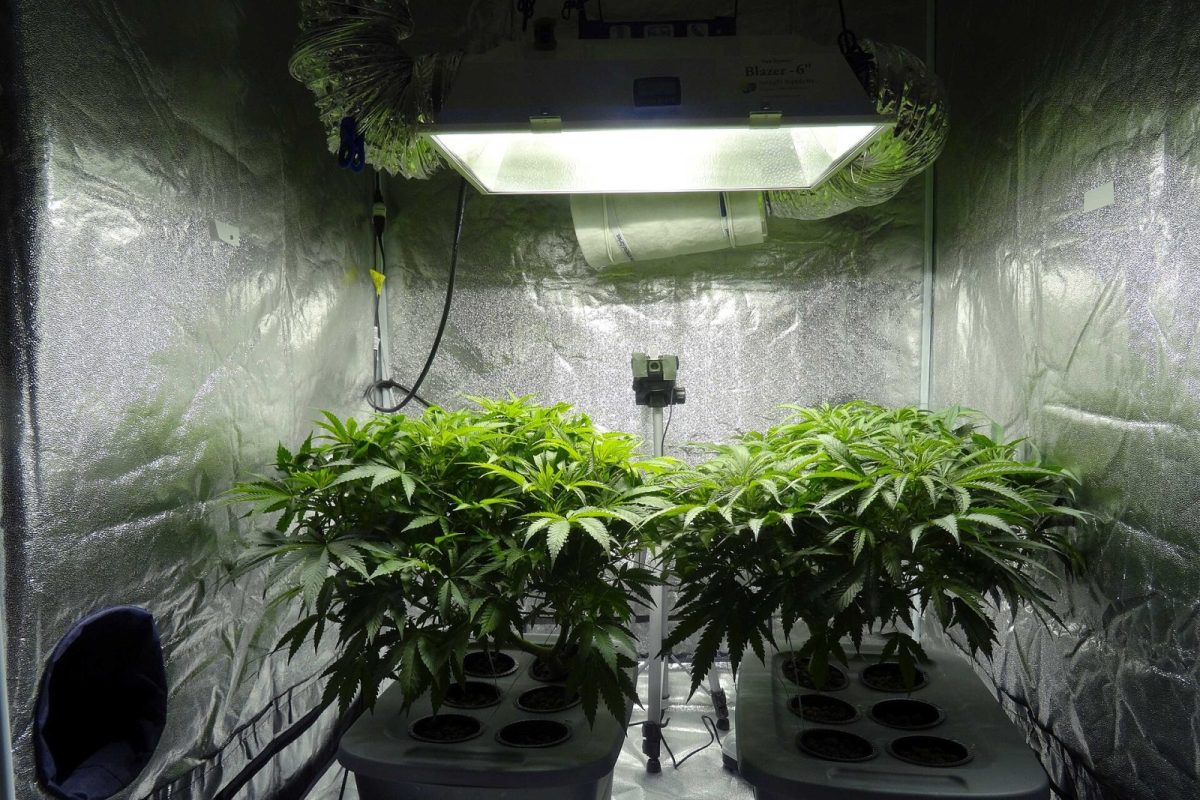
Statutory guidelines would establish standardized reference quantities for personal use, allowing adequate margins for multi-day supplies. Furthermore, home cultivation of psychoactive plants, cacti, and mushrooms intended strictly for personal consumption would be legally permitted within prescribed parameters. The explicit objective is separating the end user from illicit black-market distribution networks without providing cover for unregulated commercial trade.
Consumption Venues and Harm Reduction
The proposal incorporates designated spaces and zones of tolerance: specialized lounges, private consumer associations, and designated areas within selected nightlife venues, all adhering to rigorous hygienic standards and mandatory on-site medical emergency support at major venues and festivals. The underlying rationale mirrors that of existing supervised consumption facilities: if drug consumption occurs regardless, conducting it within an environment equipped with trained healthcare responders is far safer than in a nightclub restroom.
This is where the proposal connects most directly with validated contemporary harm reduction practices, backed by extensive international clinical documentation.
Prevention Grounded in Empirical Science
“When anti-drug propaganda enters through the front door, objective science jumps out the window,” observed Alejo Alberdi. This model reverses that dynamic, anchoring prevention strictly in the scientific method and empirical literature rather than well-meaning moral exhortation. It departs from the premise that psychoactive substance use is an everyday human activity with attendant risks and rewards, requiring management comparable to driving, extreme sports, or hazardous employment.
From this shift, several key policy goals follow:
- Overall user counts cease to be the primary metric. The fundamental benchmark is not how many individuals choose to consume, but the frequency, severity, and prevalence of medical complications and social harms. Managed pragmatically, drug-related challenges are framed primarily as public health concerns.
- Calibrating risk perception rather than exaggerating it. Instead of perpetually inflating fear, prevention seeks to align public perception with empirically verified risk: heightening awareness where the public underestimates danger, and mitigating unfounded hysteria where risks are vastly overstated. The text contends that prevailing perceptions are thoroughly warped by alarmism.
- Delaying initiation with a realistic boundary. Delaying consumption until individuals reach legal majority remains a valid goal, after which autonomous adults decide for themselves. A legally regulated marketplace, the author contends, restricts youth access far more effectively than an untamed illicit underground.
- Informing rather than coercing. Public agencies restrict their role to providing transparent, age-appropriate information without moralistic persuasion; within primary education, materials are introduced calmly without heavy-handed scare tactics targeting young children.
Critical Reading
This model represents one author’s individual proposal, not an academic consensus or an enacted legal code. It warrants critical reflection on three key points:
- The “natural good / synthetic bad” hierarchy is scientifically fragile. The danger of any substance depends on dose, route of administration, chemical purity, frequency, and personal vulnerability, not merely botanical versus laboratory origin. Framing traditional preparations as intrinsically safe risks fostering a false sense of security.
- “Downplaying risk perception” requires nuanced communication. Aligning perception with evidence is sound; however, without precise nuance, it can easily be misconstrued as minimizing real hazards. Rigorous harm reduction replaces fear not with complacency, but with objective, actionable facts regarding real risks.
- Supervised consumption rooms and emergency services have robust evidence. Unlike certain speculative aspects of the proposal, supervised consumption facilities and peer-based emergency services are extensively validated in public health literature across Europe and North America. This constitutes the proposal’s strongest foundation.
Psiconáutica presents this model to encourage informed public discourse, without endorsing every specific element. We provide no instructions regarding drug acquisition, dosage, or consumption. If you or someone you care about experiences substance-related difficulties, public healthcare services and local harm reduction organizations remain your primary resource.